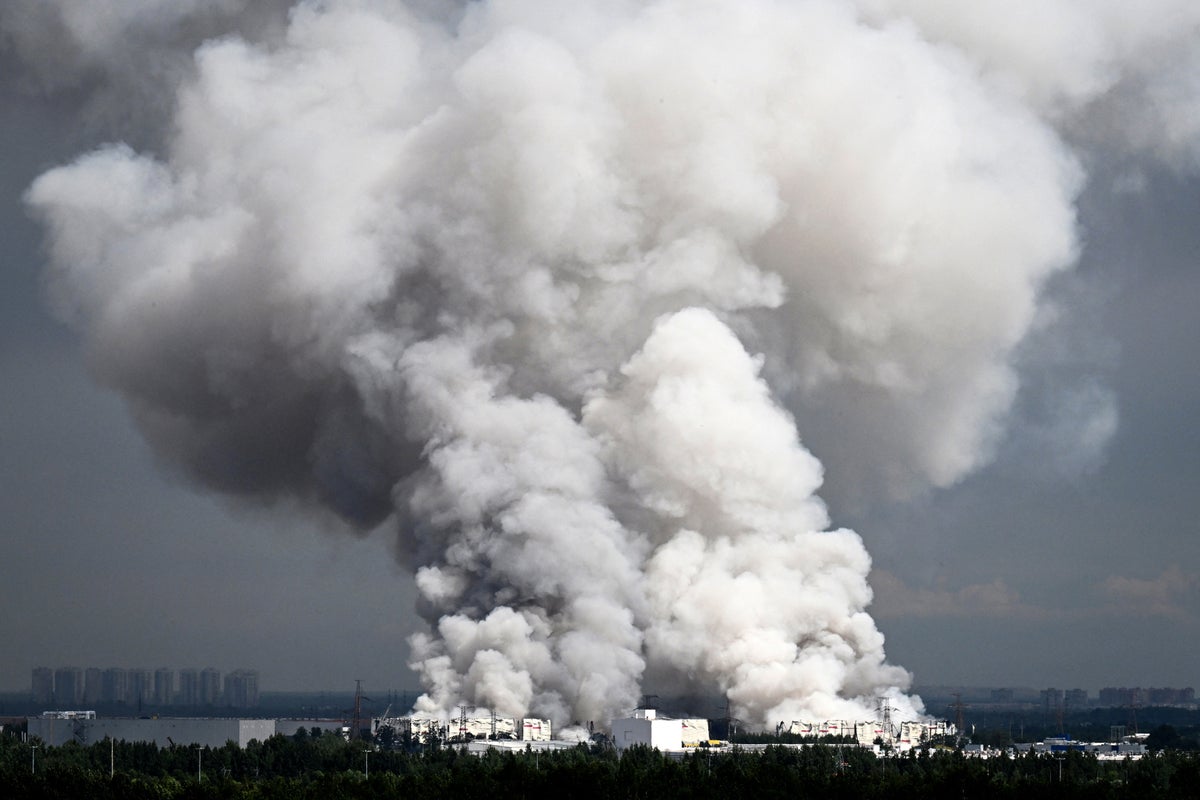
Energy markets don't care about diplomatic niceties. They care about supply, disruption, and raw power. When President Donald Trump promised heavy retaliation following a barrage of drone and missile threats linked to Iran, crude oil futures didn't just twitch—they jumped sharply.
Brent crude vaulted past the $88 to $90 per barrel threshold, while West Texas Intermediate climbed toward $85. If you've been tracking energy markets or wondering why filling up your tank suddenly costs more, the answer lies in a volatile mix of military escalation, shifting risk premiums, and tightly squeezed domestic inventories.
Let's break down what's actually happening beneath the headline numbers.
The Reality Behind the Recent Oil Price Surge
Traders hate uncertainty. For a few weeks, energy markets had priced in a modest diplomatic cushion, assuming tensions in the Middle East might simmer down. That assumption vanished overnight.
Following drone and missile activity directed at regional bases and infrastructure, U.S. and allied forces launched precision strikes in response. President Trump made his stance crystal clear during media appearances, stating that the U.S. response would hit hard.
Markets reacted instantly. Analysts at major financial institutions noted that this price jump isn't just about a sudden shortage today; it's about the total stripping away of any safety buffer traders were clinging to. The specter of a broader, prolonged conflict instantly returned to the pricing models.
Why Inventories Are Dropping Fast
Geopolitics is only half the story. Right now, physical supply and demand metrics are flashing warning signs.
Data from the Energy Information Administration showed commercial crude oil inventories in the United States dropping by a massive 7.2 million barrels in a single week. Analysts had predicted a minor draw or even a build, but robust refinery demand completely chewed through available supplies.
Refineries along the U.S. Gulf Coast are running flat out. They are processing domestic crude aggressively because importing foreign barrels has become more expensive and complicated. When local refiners drain storage hubs like Cushing closer to critical floors, physical tightness reinforces whatever panic the geopolitical news cycle is already generating.
What This Means for Your Wallet
Higher crude prices always trickle down. You see it at the pump within days, not weeks. Logistics companies, airlines, and everyday drivers shoulder the immediate burden when fuel benchmarks surge.
If you run a business dependent on shipping or heavy transport, your operating margins are about to get squeezed. Smart operators are locking in fuel surcharges now and reassessing inventory logistics before shipping bottlenecks widen.
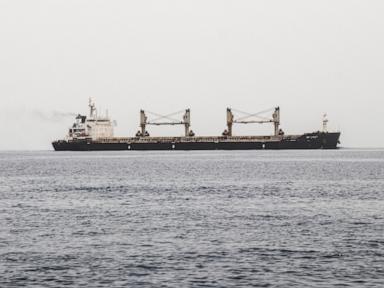
Watch the key maritime passages and inventory reports closely over the next month. Volatility is here to stay, and pretending the market will self-correct overnight is a losing strategy.