You assume the oil keeps flowing no matter what happens in the Middle East. That assumption is a dangerous illusion. When Saudi Arabia's Energy Minister Prince Abdulaziz bin Salman bluntly declared that energy security cannot be taken for granted, he wasn't just tossing out political rhetoric. He was issuing a stark reality check to global markets that have grown way too comfortable with chronic instability.
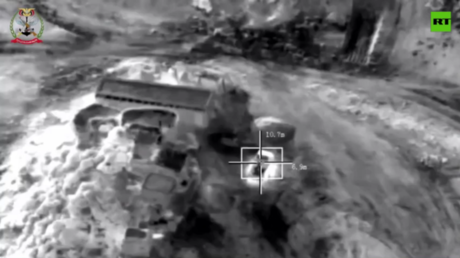
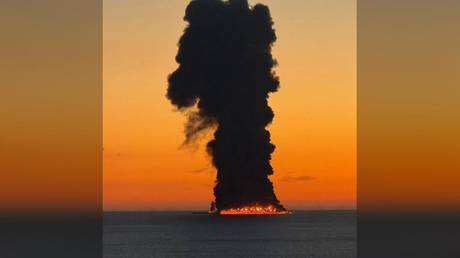
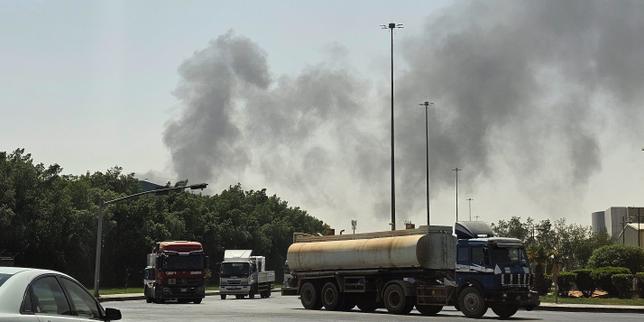
Recent high-profile drone and missile strikes claimed by Yemen's Houthi rebels haven't just rattled airports in Riyadh and critical facilities belonging to Saudi Aramco like Shugadam and Tanajib. They've laid bare the terrifying vulnerability of modern critical energy infrastructure. For years, investors and consumers treated supply disruptions as temporary hiccups. Today, the scale of these attacks forces a much harder look at how fragile our energy lifelines actually are.
The Cost of Complacency in Global Markets
Markets hate uncertainty, yet traders routinely price in geopolitical conflicts as if they'll resolve themselves by next Tuesday. That mindset is broken. When ballistic missiles and explosive-laden drones bypass defense systems to target vital processing plants and aviation hubs, supply chains shudder instantly.
Look at what happened when regional escalation spiked. Flight disruptions at King Khalid International Airport and Dammam weren't isolated logistical annoyances; they were symptoms of a broader security breakdown. When the energy minister stresses that resilience must be built long before a crisis hits, he's pointing out a massive blind spot in corporate boardrooms and government ministries worldwide. We spend trillions chasing energy transitions while underinvesting in the physical defense of the systems we rely on right now.
Why Conventional Defense Strategies Keep Failing
You can't protect a sprawling desert oil installation the same way you protect a suburban office park. The geographical expanse of Saudi Arabia's energy grid makes total air defense an uphill battle. Houthi forces have refined asymmetric warfare into a fine, destructive art, using low-cost drones and smuggled ballistic technology to punch holes in billion-dollar defense umbrellas.
This isn't just about Saudi Arabia, either. When the world's largest crude exporter faces persistent aerial bombardment, ripple effects tear through global pricing, inflation metrics, and foreign exchange reserves. Yet international energy forums still treat these attacks as regional anomalies rather than systemic threats to global economic health.
What Actually Needs to Happen Next
If policymakers want to avoid catastrophic supply shocks, they need to stop reacting with shock every time a refinery smokes or a flight gets grounded.
- Decentralize storage networks to absorb regional shocks without halting national output.
- Upgrade active countermeasures by integrating advanced electronic jamming and next-generation short-range kinetic interceptors specifically designed for drone swarms.
- Align diplomatic pressure with real economic consequences for state sponsors supplying advanced projectile technology to non-state actors.
Energy security isn't a permanent asset you buy once and check off a list. It's an ongoing, bruising fight. Until global markets wake up to that reality, the next supply crunch is just a drone flight away.