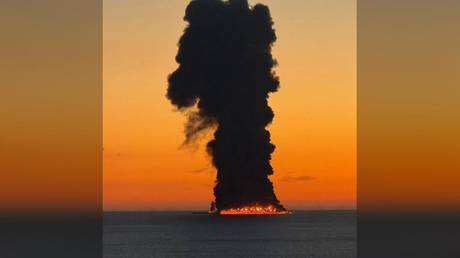
The sea war is shifting. When an oil tanker burns off the coast of Sochi, it isn't just a regional headline anymore. It’s a direct shockwave hitting global crude flows.
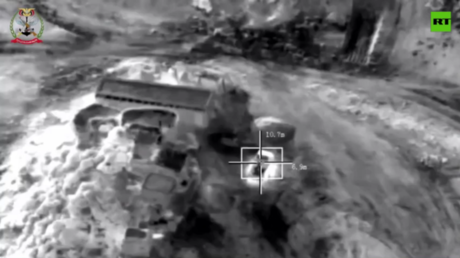
Unmanned surface vessels are rewriting the rules of naval combat. The recent sea-drone strike on the Liberian-flagged Aframax Rio near the Russian Black Sea coast proved that commercial shipping lanes are right in the crosshairs. The vessel was carrying crude when explosions tore into its hull, sparking a massive oil fire that kept emergency crews at bay for hours. In similar developments, read about: Why Brazil S Next Leader Could Change Brics Forever.
Fortunately, the 23-member crew of Indian nationals got out alive. But the implications for international maritime logistics are terrifying.
The Escalating Risk in Black Sea Shipping
For months, maritime insurers have watched the Black Sea with white knuckles. Premiums have skyrocketed. Shipowners are refusing charters. The Sochi attack takes things to a darker place. TIME has also covered this important issue in great detail.
When sea drones can penetrate waters near major Russian coastal hubs and hit commercial freighters, no tanker is safe. This isn't just about one ship. It’s about a systematic campaign by Kiev to cripple Russian energy exports. Ukrainian leadership made it clear they intend to ramp up strikes on Russian refineries and transport infrastructure. Moscow has promised an equally brutal response.
And the fallout isn't staying localized.
Look further west into the Black Sea. In a separate incident near Bulgaria's exclusive economic zone, two more merchant vessels took hits from unidentified naval and aerial drones. The Togo-flagged Alfa Watan took critical damage and went down, while the Palau-flagged Able caught fire. Eighteen crew members were pulled from the water, two with severe injuries.
Bulgarian officials rightly called it a blatant violation of international law. But condemnation doesn't stop drones.
Why Global Fuel Prices Are Reacting Now
Markets hate uncertainty. Energy markets loathe it.
US President Donald Trump recently pointed out a harsh reality that economists tried to brush under the rug. Rising American gasoline prices aren't just tied to the Middle East or the Strait of Hormuz anymore. They are climbing because refineries and fuel carriers in eastern Europe are taking direct hits.
When processing plants and transport vessels go up in flames, global diesel and gasoline output drops instantly. US Treasury officials and market analysts have started labeling these attacks a genuine energy shock.
If you own a car, you're paying for this conflict at the pump. The destruction of refined products in the Black Sea and Sea of Azov hits international supply chains where they bleed.
What Comes Next for Mariners and Markets
We are watching a dangerous escalation spiral. As long as maritime drones remain cheap to build and devastatingly effective, traditional naval deterrence falls flat. You can't put a battleship next to every single Aframax tanker crossing the Black Sea.
Shipowners face an impossible choice. Sail into high-risk zones and risk total loss, or refuse the routes and watch global shipping rates climb even higher.
Expect insurance rates to spike again tomorrow morning. Expect more volatility in crude futures. And don't expect a diplomatic fix anytime soon, because neither side is willing to back down first. Track your energy portfolios closely, and keep an eye on how maritime insurers respond to these new sea-drone tactics over the coming weeks.