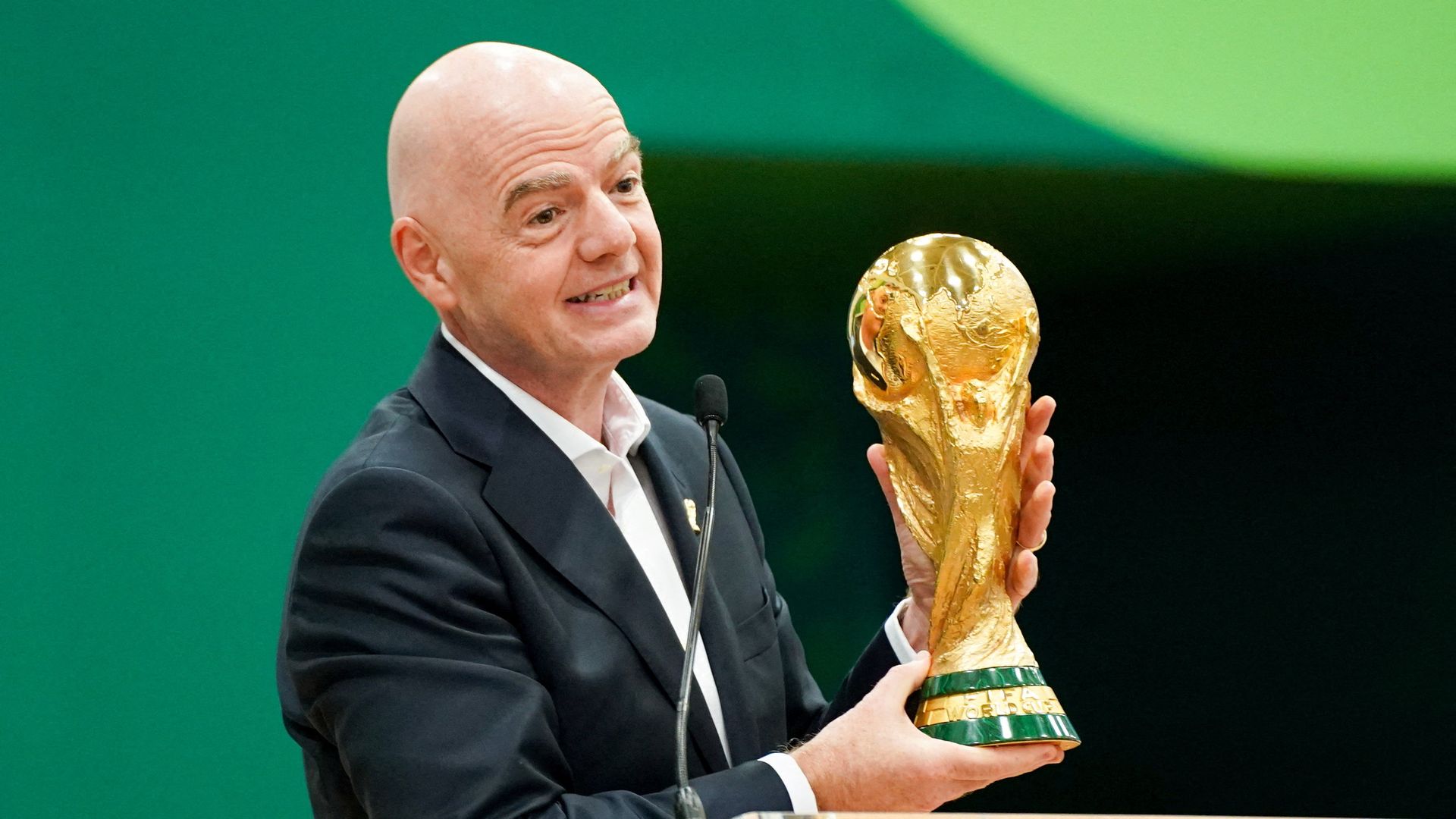
Football fans remember the magic on the pitch long after the trophy is lifted. They talk about the goals, the tension, and the glory. But right now, FIFA president Gianni Infantino wants everyone to talk about something else: his anger at the media.
Following the conclusion of the 2026 World Cup across the United States, Canada, and Mexico—where Spain clinched the ultimate prize—Infantino published a stinging open letter. He accused his detractors of being "consumed by hate" and spreading false rumours. He claimed that anyone pointing out flaws during the tournament simply missed the pure joy of the game.
It is a classic deflection. When leadership faces genuine scrutiny, they often prefer to label the questions as negativity.
The Real Issues Behind the Backlash
You can celebrate the athletic brilliance of a tournament won by Spain while still acknowledging major logistical failures. Infantino wants to frame every critique as an attack on football itself. That doesn't hold up under basic inspection.
The tournament faced intense pressure over very real off-field problems. Fans and officials from nations like Iran, Haiti, Senegal, and the Ivory Coast ran into severe U.S. visa hurdles. Somali referee Omar Artan was barred from entering the country entirely. Infantino brushed this aside, pointing out that millions of visas were approved. But telling a barred official or a stranded supporter that things went fine for everyone else lacks basic empathy.
Then came the high-profile governance controversies. The decision to suspend an automatic one-match ban for U.S. striker Folarin Balogun following political intervention raised eyebrows across the global sports community. When rules bend visibly for influential figures, people notice.
Dismissing Legitimate Debate as Hatred
Infantino's letter told critics to "meditate, pray or watch a football match" instead of spreading negativity. That style of messaging works well on Instagram, but it fails as organizational accountability.
Journalists, players, and federations weren't inventing stories about ticket pricing headaches or travel chaos. They were reporting on the lived experiences of attendees. When the head of world football dismisses these concerns as screen-bound malice, it shuts down necessary conversations about how massive sporting events are run.
Refering errors also triggered heated debates, particularly during matches involving Argentina and Egypt. While refereeing mistakes happen in every domestic league, governance bodies usually address them through transparent review rather than defensive social media rants.
Moving Past the Spin
Football belongs to the people who play it, watch it, and fund it through ticket sales and television subscriptions. Accountability shouldn't be branded as hostility.
If FIFA wants fewer harsh headlines, the solution isn't writing open letters blaming keyboards and pens. The solution is fixing the administrative bottlenecks, ensuring fair entry for all qualified participants, and welcoming honest feedback with maturity.
The 2026 World Cup proved once again that the global game unites millions. It's time for leadership to match that standard instead of lashing out at anyone who dares to ask tough questions.