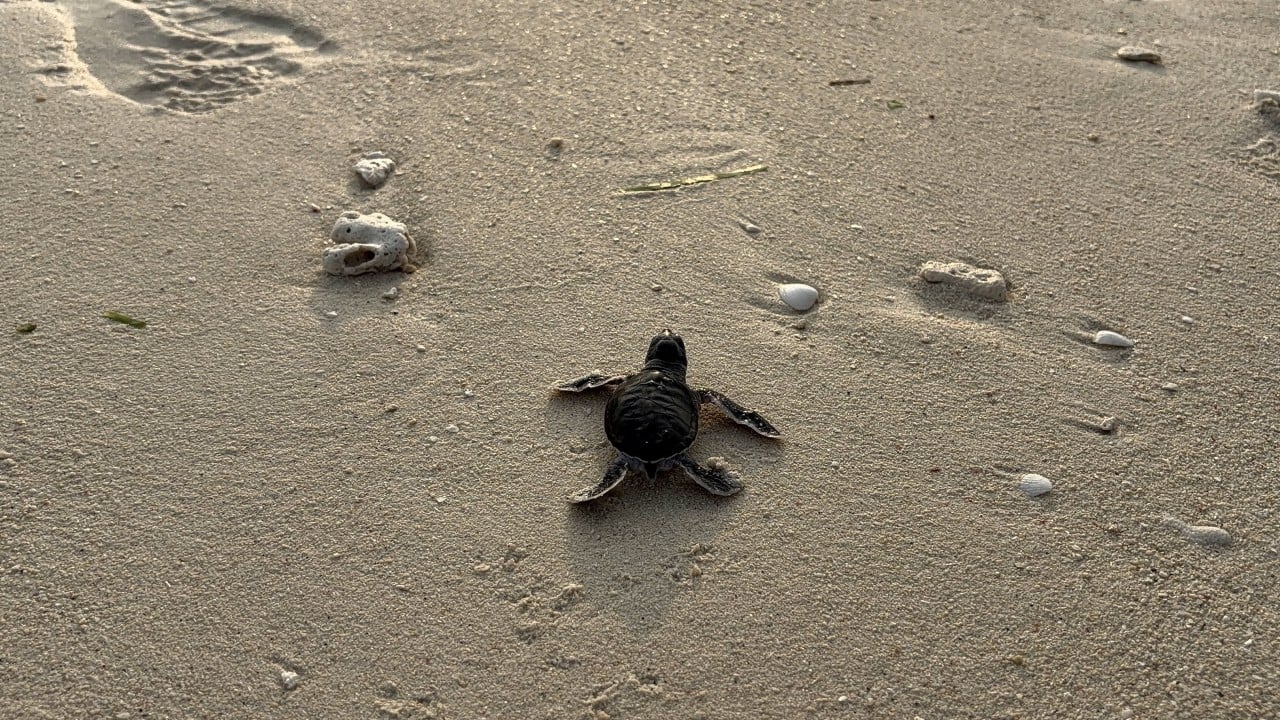
For decades, protecting marine wildlife meant patrolling endless miles of coastline with binoculars and speedboats. It’s an exhausting, expensive game of catch-up. Poachers know the blind spots, and underfunded ranger units can’t be everywhere at once. But conservationists in Malaysia are flipping the script using microscopic evidence. They’re tracking green turtles through their unique genetic profiles.
If you want to understand why traditional enforcement fails against modern wildlife crime, you have to look at how illicit markets operate. Poachers rarely take animals from the exact beach where they sell them. They grab hatchlings or harvest eggs in remote areas, smuggle them across regional borders, and launder them as captive-bred specimens. Traditional patrolling can’t prove where a smuggled turtle actually came from. Genetics can.
The Science of Turtle Tracking
Marine biologists are turning tiny tissue samples into forensic weapons. When a hatchling doesn't survive its initial dash to the ocean, researchers collect minuscule flipper clippings. Sequencing these samples reveals a specific haplotype, essentially a genetic fingerprint unique to distinct regional rookeries.
WWF-Malaysia and partnering organizations utilize initiatives like Shellbank, a global turtle DNA database. By matching confiscated shells or illegal meat against this genetic library, enforcement agencies can pinpoint the exact geographic origin of trafficked wildlife. When authorities intercepted turtle products as far away as Britain or regional black markets, DNA sequencing pointed straight back to specific nesting populations in Southeast Asia.
This molecular approach solves a massive blind spot in marine conservation. Turtles spend their early years in the open ocean—a phase researchers call the "lost years" because tracking them visually is nearly impossible. Genetic mapping bridges that gap by linking adult foraging grounds and harvested specimens back to their natal beaches.
Why Malaysia Is Winning and Struggling
Malaysia occupies a unique space in marine conservation. In Sabah state, green turtle nesting numbers at the Turtle Islands have surged dramatically since the 1970s, jumping to over 20,000 nests annually. Decades of protected status—bolstered by a strict ban on turtle egg consumption introduced in Sabah back in 1997—created a genuine recovery story.
Yet, progress remains fragile. Tight budgets, high fuel costs for patrol boats, and persistent transnational smuggling rings threaten decades of hard-won gains. Poachers operate with high mobility, exploiting international boundaries where local laws and enforcement capacities vary wildly.
When poachers snatch turtles from protected reserves like Pulau Tiga or the Sulu-Sulawesi marine areas, the damage goes beyond a single animal. It destabilizes genetically distinct breeding stocks that took fifty years to rebuild.
Moving Beyond Simple Patrals
Stopping the illegal wildlife trade requires more than putting armed guards on nesting beaches. Conservation must adapt to supply chain realities. Genetic databases provide the hard evidence needed to prosecute traffickers across international jurisdictions, proving definitively that a seized product originated from a protected Malaysian rookery rather than a legal farm.
Protecting green turtles isn't a quick weekend cleanup project. It demands long-term financial commitment, cross-border intelligence sharing, and continuous investment in molecular forensics. Support local marine conservation groups, pressure lawmakers to fund forensic wildlife labs, and refuse to purchase any product derived from sea turtles.