Hong Kong millionaires are packing their bags for the mainland, but many haven't done the actual math.
It sounds like a dream set-up. You keep your financial footprint in Hong Kong, buy a sprawling condo in Shenzhen or Zhongshan for a fraction of local prices, and pop back and forth across the border whenever you want. Private healthcare is cheaper up north, dining out costs less, and your retirement dollar stretches twice as far.
There's just one problem. A massive gap exists between having a comfortable million-dollar portfolio and actually executing a cross-border retirement without going broke or stressed out.
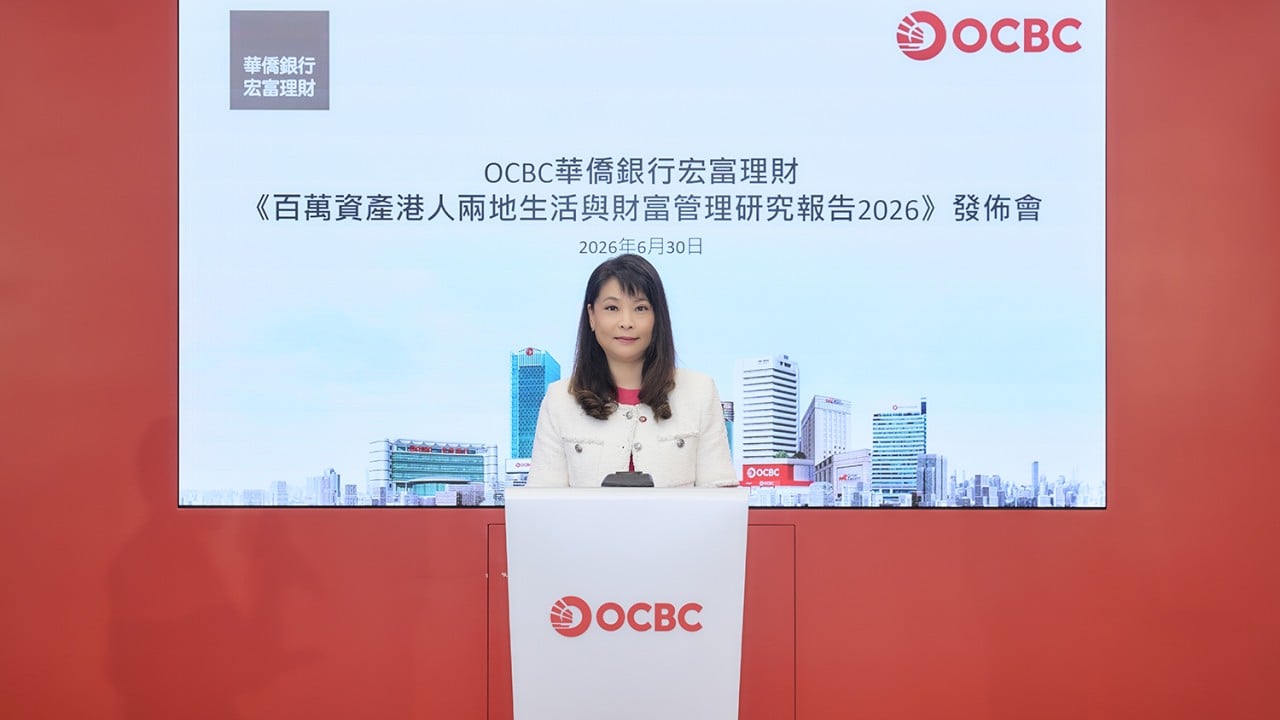
Data from the OCBC Premier Banking Dual Living and Wealth Management Study 2026 shows a striking shift in how affluent Hongkongers plan their golden years. One in three wealthy residents plans to relocate to mainland Greater Bay Area (GBA) cities, while one in five is already living across both sides of the border. Over half of them cross the border at least once a month.
Yet roughly 30% of those eyeing or currently living this dual life admit they have zero formal plan for the financial friction that comes with it. They're winging it.
If you're sitting on a few million dollars expecting a smooth ride across the border, you need to look at what's really happening on the ground.
The Real Numbers Behind the Cross-Border Dream
Let's look at the actual price tag.
Affluent Hong Kong residents who plan to retire across the border estimate they'll need about HK$11.2 million in liquid assets to support their lifestyle. They project an average monthly budget of HK$48,700.
That sounds manageable if you already hold HK$5 million or HK$10 million in assets. But here is where the math breaks down.
Most people calculate their retirement needs assuming a single home base. Dual living doesn't cut your costs in half; it often doubles your overhead.
In the OCBC study, 48% of people living across both locations cited heavy cost pressures from maintaining two homes. Another 45% complained about the constant travel and coordination headaches. Meanwhile, 34% said managing personal and family responsibilities across two separate legal and financial systems was far harder than expected.
You aren't just swapping a small apartment in Shatin for a villa in Zhuhai. You're running two domestic engines. That means two sets of utility bills, property management fees, localized insurance, cross-border transport, and currency exchange spreads.
When you split your life across two borders, cash leaks happen fast.
Where the Planning Gaps Cause Real Damage
Why are so many wealthy retirees getting caught off guard?
Because picking a city is easy. Shenzhen takes the top spot for 32% of survey respondents, followed by Zhongshan at 23%, Guangzhou at 19%, and Zhuhai at 19%. Picking a city takes five minutes on a weekend trip. Setting up a bulletproof financial infrastructure takes months.
Here are the specific blind spots tripping people up right now.
1. The Healthcare Misconception
Half of the survey respondents named superior healthcare facilities and wellness options as their top reason for moving north. Mainland private hospitals in Shenzhen and Guangzhou offer modern equipment and short wait times.
Medical insurance rarely travels across the border cleanly. Traditional Hong Kong medical policies might not cover mainland private wing treatments without specific cross-border endorsements. Medical records don't automatically transfer. If a sudden critical illness strikes, navigating mainland reimbursement structures while holding assets in Hong Kong dollars creates instant liquidity stress.
2. Cash Flow Fragmentation
Wealth preservation is the primary goal for 51% of affluent respondents, outranking pure investment growth. But preserving wealth requires immediate access to liquidity.
If your income sits in Hong Kong stocks or dividend funds paying out in HKD, but your daily expenses, maid services, and property fees require Renminbi (RMB), you face constant currency friction. Without automated cross-border banking rails and pre-arranged income conversion, you end up manually transferring funds, taking hits on exchange rates, and getting hit with transfer delays during bank holidays.
3. Estate and Legacy Traps
Hong Kong has no estate duty. The mainland legal framework handles property transfers and inheritance differently.
When you buy real estate across the border, your Hong Kong will doesn't automatically govern your mainland assets. Many retirees buy mainland properties without realizing their heirs might face complex probate procedures spanning two jurisdictions. Passing down assets across borders requires precise structuring long before you move.
How to Fix Your Cross-Border Retirement Plan
If you want to spend your 60s and 70s enjoying the space and comfort of the GBA rather than fighting bank paperwork, you have to build your system before you pack your bags.
Here is the exact playbook to close your retirement planning gaps.
Run a Dual-Base Expense Audit
Stop assuming your cost of living will plummet. Sit down and list every fixed cost for both locations.
- Primary residence costs in Hong Kong (maintenance, rates, insurance)
- Secondary residence costs in the mainland (property management, utilities)
- Transit budgets (high-speed rail tickets, cross-border private car passes, fuel, tolls)
- Currency buffer (a 5% buffer for RMB fluctuation against HKD)
If your combined projected spending exceeds 4% of your total liquid portfolio annually, you're taking on too much risk.
Integrate Your Cross-Border Banking
Don't rely on basic retail accounts. Set up a cross-border wealth management account with a bank operating in both Hong Kong and mainland China.
You need accounts linked under a single banking relationship so you can shift funds instantly between HKD, USD, and RMB without paying retail FX markups. Look for dedicated Premier or Private Banking channels that handle cross-boundary wire transfers smoothly and provide unified portfolio statements.
Upgrade to Integrated Medical Policies
Dump standard, single-territory medical plans. Secure a cross-border medical insurance policy that offers direct billing at top-tier mainland hospitals (Class 3A institutions) as well as Hong Kong private hospitals. Direct billing is essential; it means the insurer settles the bill straight with the hospital, so you don't have to liquidate investments on short notice to pay out-of-pocket deposits.
Build an Automated Cash Flow Engine
Capital growth matters, but cash flow keeps you comfortable. Construct an income-generating bucket that pours money into your account every month.
- Dividend-paying funds structured for stable yield
- Fixed income instruments denominated in relevant currencies
- Annuities or life insurance policies designed to pay out guaranteed income stream directly into your primary operating account
Action Steps for the Next 90 Days
Do not wait until your last day at work to organize this. Take these steps immediately to get your cross-border strategy on track:
- Calculate your true liquid threshold: Aim for at least HK$11.2 million in investable assets if you plan on keeping a footprint in Hong Kong while living comfortably in the GBA.
- Review your health coverage: Audit your current medical policies to verify whether they cover private care in Shenzhen, Guangzhou, or your target destination with direct billing.
- Consolidate cross-border accounts: Meet with your financial advisor or primary wealth manager to set up cross-border remittance channels before you start buying mainland property.
- Draft dual-jurisdiction legacy documents: Speak with a legal advisor familiar with both Hong Kong and Mainland Chinese property laws to ensure your estate plan works smoothly across both jurisdictions.
A comfortable cross-border retirement isn't about buying cheap real estate. It's about building a financial framework that works everywhere you choose to live.