The spark that sets a house on fire rarely gets remembered once the whole neighborhood goes up in flames.
Gaza was that spark. The horrific October 2023 attack by Hamas and the subsequent, brutal military campaign by Israel triggered a chain reaction that ultimately sucked the entire region into a vortex. It led directly to a devastating escalation between Israel and Lebanon, drew in regional proxies, and culminated in the direct US-Israeli war with Iran. For another look, read: this related article.
But a strange, chilling thing happened on the way to the negotiating table. As Washington and Tehran finally hammer out the framework for a fragile peace accord, the very territory that started it all has been completely dropped from the conversation.
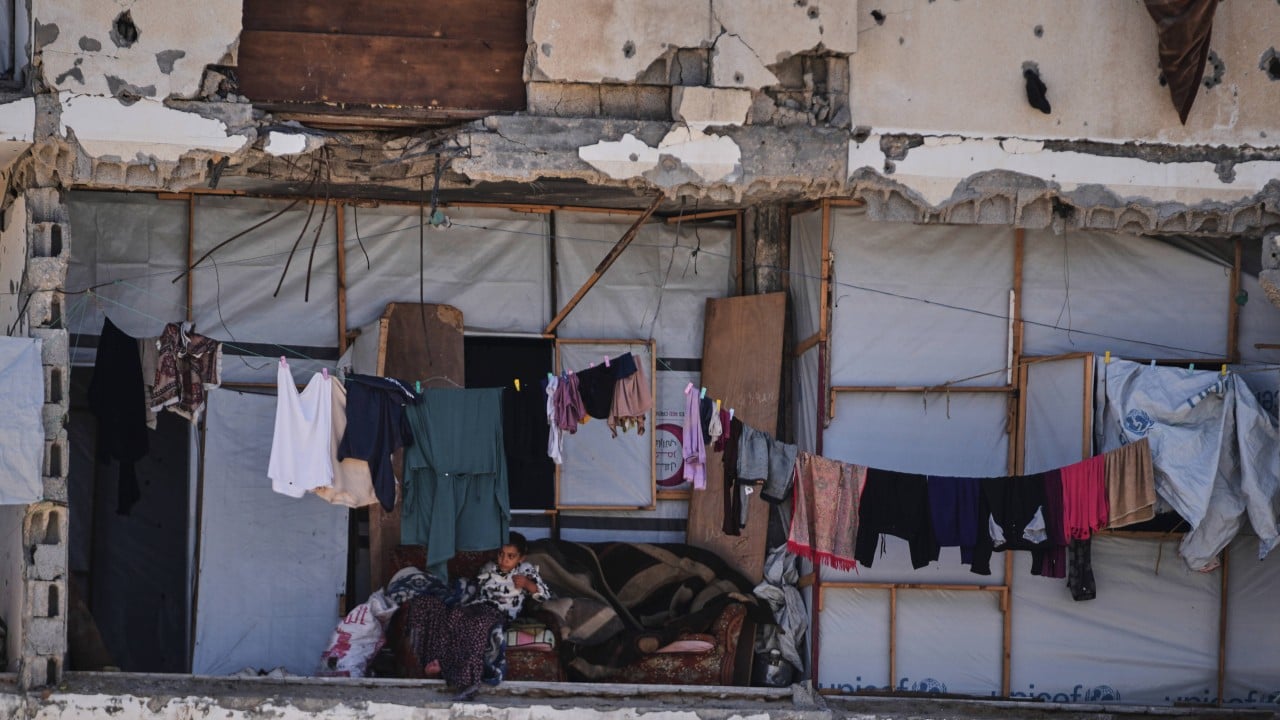
The text of the preliminary agreement negotiated last month contains zero mentions of the Gaza Strip. The world moved on to bigger targets, leaving more than two million displaced Palestinians stranded in a landscape of endless rubble. Related coverage on the subject has been shared by The Washington Post.
The Devastating Reality of a Forgotten Enclave
Walk through any displacement camp in Gaza today and the sentiment is identical. People feel entirely abandoned. Ahmed Jamali, a 53-year-old living in a tent city, recently summed up the grim reality to reporters by noting that since the United States went to war with Iran, the global community simply stopped looking at Gaza. In his words, nobody is lifting a finger anymore.
It has been over 1,000 days since the war began. Think about that timeline. A temporary ceasefire brokered back in October 2025 stopped the worst of the daily bombardments, but it did nothing to fix the systemic collapse of human life. The enclave is trapped in a permanent state of survival. Food is scarce, clean water is a luxury, and the economy is nonexistent.
The ultimate irony is that Gaza sits at the literal center of the geopolitical chess board, yet its people have less leverage than ever.
Why Iran Left Hamas Behind
For years, Tehran used its "Axis of Resistance" to project power across the Middle East. Hamas was a critical piece of that puzzle, receiving heavy financial backing and advanced weaponry. But geopolitical loyalty is highly transactional.
The scale of the October 2023 attack changed everything, dragging Iran into a direct, high-stakes military confrontation with the United States and Israel that it simply could not sustain. The economic toll on Iran has been staggering—estimates point to roughly $270 billion in damages and millions of its own citizens pushed into poverty over months of intense conflict.
When survival is on the line, regional ambitions get scaled back quickly.
Regional experts note that Hamas has suffered a massive drop in its strategic value to Tehran. Iran prioritizes the preservation of Hezbollah in Lebanon far more than the survival of Hamas. Hezbollah serves as Iran's primary deterrent on Israel's northern border. Hamas, battered and heavily degraded after years of relentless urban warfare, is expendable. When the US and Iran sat down in Qatar to outline an end to their war, Tehran didn't waste its remaining diplomatic capital fighting for Gaza.
The Diplomatic Vacuum and the Cairo Sideshow
International fatigue is a real, measurable metric in diplomacy. Western governments and regional power brokers are exhausted by the Palestinian-Israeli conflict. Diplomats operating in Jerusalem admit privately that most major governments now view the Gaza situation as fundamentally insoluble in the short term.
So what actually happens next?
Right now, the heavy lifting has been relegated to backroom talks in Cairo. This negotiation track involves various Palestinian factions, regional players like Qatar and Turkey, and the Board of Peace set up by US President Donald Trump.
Unlike the high-profile US-Iran summits, the Cairo talks are quiet, tedious, and highly fragile. Security sources indicate the current roadmap on the table involves a two-pronged approach:
- The gradual, phased disarmament of Hamas.
- The establishment of temporary, transitional governing authorities to manage daily life in Gaza.
But there is a massive roadblock. The Israeli government has consistently signaled its rejection of any framework that leaves a transitional Palestinian authority or a diminished Hamas anywhere near power.
Without a credible political framework for the "day after," major international donors refuse to cut checks for a reconstruction effort that could cost tens of billions of dollars. No one wants to fund buildings that might get blown up in the next round of fighting.
The Threat of a Resurgent Summer Offensive
This diplomatic paralysis is dangerous. Ceasefires without political solutions carry an expiration date.
Israeli military planners are already drawing up contingency plans for a potential summer offensive against remaining Hamas cells if the Cairo negotiations collapse completely. While military analysts point out that planning for an offensive doesn't guarantee it will happen, the threat hangs over the enclave like a guillotine.
If you want to understand where the Middle East is heading, stop watching the grand signings of international peace accords between major world powers. The real test of stability lies in the unresolved, ignored misery of Gaza.
To keep track of how this brewing crisis impacts global security, you need to watch three specific indicators over the coming weeks:
- Monitor the official statements out of Jerusalem regarding the Cairo roadmap to see if Israel softens its stance on a transitional governing body.
- Track aid delivery metrics via UN agencies to see if the blockade eases up naturally or continues to suffocate the local population.
- Watch the implementation of the US-Iran ceasefire terms to see if localized skirmishes in Gaza threaten to breach the broader regional peace.


