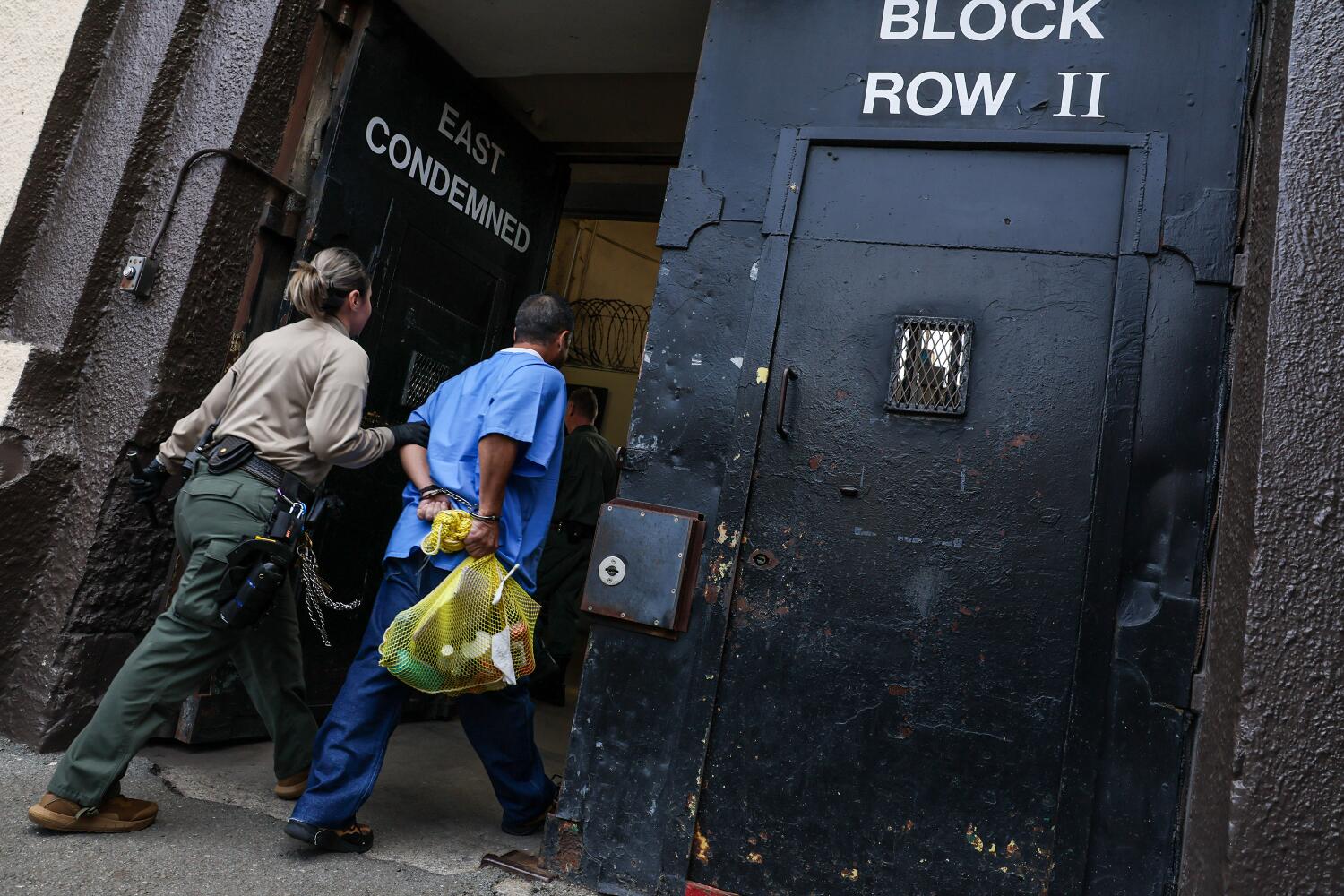
For decades, California tried to fix a broken machine and failed at every turn. When Governor Gavin Newsom announced his sweeping decision to commute all 548 death row sentences to life without the possibility of parole, critics cried foul. They argued he should have waited for the legal system to repair itself, or that he bypassed the traditional public discourse by acting unilaterally. But waiting for a structurally impossible mechanism to self-correct is a fool's errand. Newsom made the right call by refusing to kick the can down the road any longer.
The Myth of Fixing an Irreparable System
California’s capital punishment apparatus has been dysfunctional for generations. Billions of taxpayer dollars have poured into a complex maze of appeals, specialized housing, and endless litigation, resulting in virtually no executions for years. A moratorium was put in place back in 2019, but keeping hundreds of condemned inmates in legal limbo served no practical purpose.
The state's machinery for capital punishment was plagued by severe delays, exorbitant costs, and the looming, unacceptable risk of executing an innocent person. Reformers spent decades trying to streamline the process, shorten appeals, and make it function efficiently. Every single attempt stalled against constitutional roadblocks and ethical hurdles. Expecting future administrations to successfully fix what generations failed to mend ignores reality.
Confronting the Cost and the Conscience
Opponents of the commutation often point to the gravity of the crimes committed by those on death row. That anger is entirely understandable. The families of victims carry a lifetime of grief, and the public naturally demands accountability for heinous acts.
Yet, looking strictly at the ledger reveals a stark truth. California spent astronomical sums maintaining a death row that functioned essentially as a permanent warehouse. Life without the possibility of parole ensures these individuals will never walk free, protecting public safety completely while ending the endless cycle of expensive, agonizing legal appeals. The state chose practicality and finality over an empty promise of lethal injection.
The Broader Political Backlash and Legal Battles
Unsurprisingly, the move triggered immediate pushback. Coalitions and legal foundations rushed to court, arguing that the governor abused his executive authority by issuing sweeping commutations without giving individual district attorneys the traditional notice or adhering strictly to every procedural step.
These legal challenges will play out in the courts, testing the boundaries of executive clemency. Even so, the fundamental question remains whether a broken institution deserves endless extensions. Newsom's action forces the state to stop pretending that an unworkable system can be saved through minor administrative tweaks.
Moving Past Symbolic Punishment
California now joins a growing movement of states shifting away from capital punishment in favor of permanent incarceration. By closing the chapter on active executions, the focus can finally shift where it belongs—supporting victims' families and addressing the root causes of crime rather than funding a costly, broken ritual.
Stopping the wait wasn't an evasion of responsibility. It was an acknowledgment that some systems are too broken to fix, and true leadership means pulling the plug.