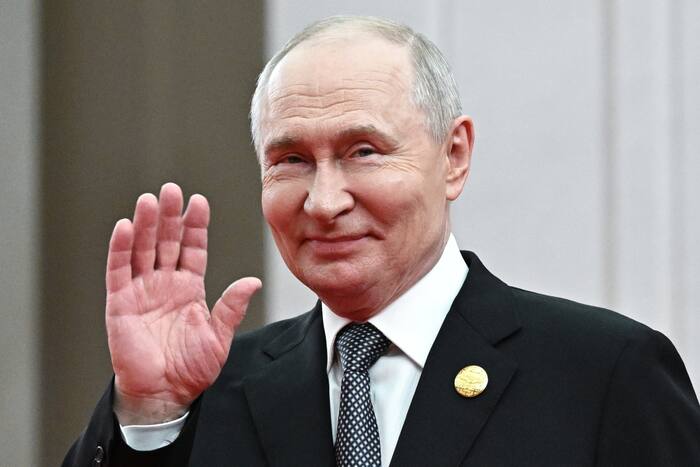
Picture Vladimir Putin standing shoulder-to-shoulder with Donald Trump and Xi Jinping at the APEC summit in Shenzhen, shaking hands before a banquet and posing in the same diplomatic frame. For the Kremlin, that photograph alone is worth more than another round of sanctions waivers. Even if Moscow's economy strains under heavy defense spending and its forces grind through a brutal stalemate in Ukraine, sharing a spotlight with Trump and Xi instantly projects a status Putin has spent years fighting to keep.
Let's be honest about what's happening here. Power in global politics isn't just tanks, GDP, or trade volume. Optics matter—sometimes brutally so. When Putin appears alongside the leaders of the United States and China at the 33rd Asia-Pacific Economic Cooperation gathering in southern China, he gets to look like one of three equal architects of world order. That's a massive win for Moscow's narrative, even if the underlying balance of power tells a messier story.
Why Putin Sharing a Spotlight With Trump and Xi Matters So Much to Moscow
For years, Western capitals tried to fence Putin in diplomatically and economically. Walking into Shenzhen and greeting Trump and Xi in front of global cameras blows a hole right through that isolation script. Kremlin aide Yuri Ushakov has pointed to broad discussions ahead—touching on Ukraine, festering global conflicts, and economic ties—while Kremlin spokesman Dmitry Peskov noted that the trilateral sit-down itself is slated to be brief, under an hour. Short meetings don't stop big symbols from traveling fast.
Think about what Putin actually gets out of the room:
- Status by association. Standing beside Xi and Trump puts Russia in the top tier visually, regardless of whether Moscow matches Washington or Beijing in long-term economic scale.
- Pressure on Kyiv and Europe. European leaders already watch these moments with dread. German Chancellor Friedrich Merz has pointed to European fears of another "Anchorage moment," recalling the August 2025 Trump-Putin talks in Alaska that rattled Ukraine and its partners.
- Room to push broader security demands. Moscow has welcomed U.S. openness to discussing wider European security alongside Ukraine, a classic Russian move to shift the conversation toward its own grievances.
Still, I don't buy the idea that a single trilateral gathering magically turns Russia into a full-spectrum superpower again. Chatham House director Bronwen Maddox has argued plainly that Russia isn't a superpower and that its military-heavy economy is dwindling, even as the photo-op makes Putin look like one of the big three. That gap between image and reality is the whole tension of the week.
Does This Look Like a Modern Yalta or Just Smart Theater?
Whenever big powers huddle privately, pundits reach for 1945 and the Yalta conference. Back then, Roosevelt, Churchill, and Stalin carved out postwar spheres of influence and reshaped Europe. Today's comparison doesn't fit cleanly—and frankly, neither Moscow nor Beijing wants the label.
The Kremlin loves talking about a "multipolar world," yet pro-Kremlin foreign policy analyst Fyodor Lukyanov has observed that Moscow still acts as if great powers can strike sweeping deals that steer global events—even while rejecting Yalta talk in public. Beijing has its own reservations about putting Ukraine or nuclear arms reductions on an open trilateral table at an economic forum. According to reporting cited by Channel NewsAsia, German President Frank-Walter Steinmeier said after meeting Xi that Beijing didn't want Ukraine on the agenda and views it as a European war that needs Europeans involved.
An analysis from the Brookings Institution highlights another crucial angle: Xi and Putin have met dozens of times over the years and share plenty of skepticism toward U.S. dominance, yet Beijing has long resisted arms-control talks until its nuclear arsenal comes much closer to parity with Washington and Moscow. That means big headlines from Shenzhen don't automatically equal binding treaties.
What's Really Happening Around Ukraine, Trade, and Nuclear Signaling
If you're wondering why the stakes feel so sharp right now, look past the banquet smiles to the leverage being pulled on multiple fronts. Peace talks mediated by the U.S. in Abu Dhabi followed a nine-month gap and produced little visible breakthrough, leaving sharp divides intact while fighting drags along a roughly 1,200-kilometer front line.
Meanwhile, Washington's moves have left allies uneasy. Recent U.S. steps—including waiving certain tough sanctions, striking a diesel arrangement that let Moscow resume fuel exports, and pressuring Kyiv over strikes on Russian refineries—have looked to many observers like tilt toward Moscow. Ukraine has also reported throttling of Starshield, SpaceX's military satellite service, fueling worry in Kyiv that pressure is mounting for concessions.
At the same time, neither side is letting up militarily. Ukrainian drones and missiles struck major damage on the Kerch Bridge—Putin's prized link to Crimea—just ahead of the summit, while Russia continues hitting Ukrainian power infrastructure and bridges around Kyiv. Putin insists Russia has inflicted far heavier damage and pushes back against a simple ceasefire, arguing for a broader settlement rather than a pause that lets Kyiv rest and rearm.
Nuclear Posture and Economic Curiosities on the Sidelines
You can't miss the theater around deterrence either. Just before the summit, Moscow sent nuclear-capable Tu-95 bombers on a visit to Vietnam, and Russian television made sure viewers saw an officer carrying Russia's nuclear command briefcase as Putin arrived in China. Trump has talked about raising "denuclearization," while Moscow signals openness to talks yet nods to Beijing's reluctance to cut its smaller stockpile.
On trade and tech, the picture is equally tangled. Xi has pushed for lower trade barriers and closer cooperation on artificial intelligence during the APEC gathering, even as global commerce deals with tariff whiplash and major tech headlines—including the fallout around former Nvidia CEO Jensen Huang—keep the AI race tense. And as TIME reported around the Shenzhen gathering, Putin pressed for fewer trade barriers without dwelling on remaining U.S. sanctions while rhetoric around Europe's standing grew sharper.
Common Misconceptions People Have About This Summit
- Myth: A trilateral photo means a fast peace deal is coming. Reality: Brief leaders' meetings and stalled talks like Abu Dhabi rarely solve deeply entrenched territorial and security disputes overnight.
- Myth: China wants to lock itself into U.S.-Russia nuclear limits. Reality: Beijing has consistently avoided binding reductions while building up its forces and keeps its own diplomatic priorities front and center.
- Myth: Optics don't affect real-world bargaining. Reality: When a leader looks legitimized on a global stage, it shapes domestic morale, partner confidence, and negotiating posture.
How to Read the News From Here Like an Analyst
Don't get swept away by dramatic photos or sweeping claims from any capital. Treat a high-profile summit like Shenzhen as a starting point for checking actual follow-through.
- Separate photo-ops from policy changes. Watch for concrete actions afterward—sanctions enforcement, export rules, or signed agreements—rather than warm words at a banquet.
- Track European and Ukrainian reactions closely. Notice whether Kyiv and EU capitals get consulted or blindsided, because their response shapes how durable any proposed deal can be.
- Watch nuclear and energy moves together. Pay attention to bomber deployments, arms-control talk, and fuel or refinery developments, since those show where real pressure points sit.
- Read multiple sources across regions. Compare U.S., European, and Asian reporting so you catch what each side is trying to highlight—or hide.