The clock is ticking down to December 2026, and everyone seems to have an opinion on what India and Bangladesh should do about the Ganga Water Treaty. Political figures across the border are treating the upcoming expiration like a diplomatic litmus test. They claim bilateral ties hinge entirely on a quick signature.
New Delhi isn't biting.
The Ministry of External Affairs made it clear that any debate or negotiation regarding the Ganges Water Sharing Treaty will stay inside the channels of established bilateral frameworks. No grandstanding. No rushing under pressure. Just institutional diplomacy.
What is the Farakka Treaty Anyway
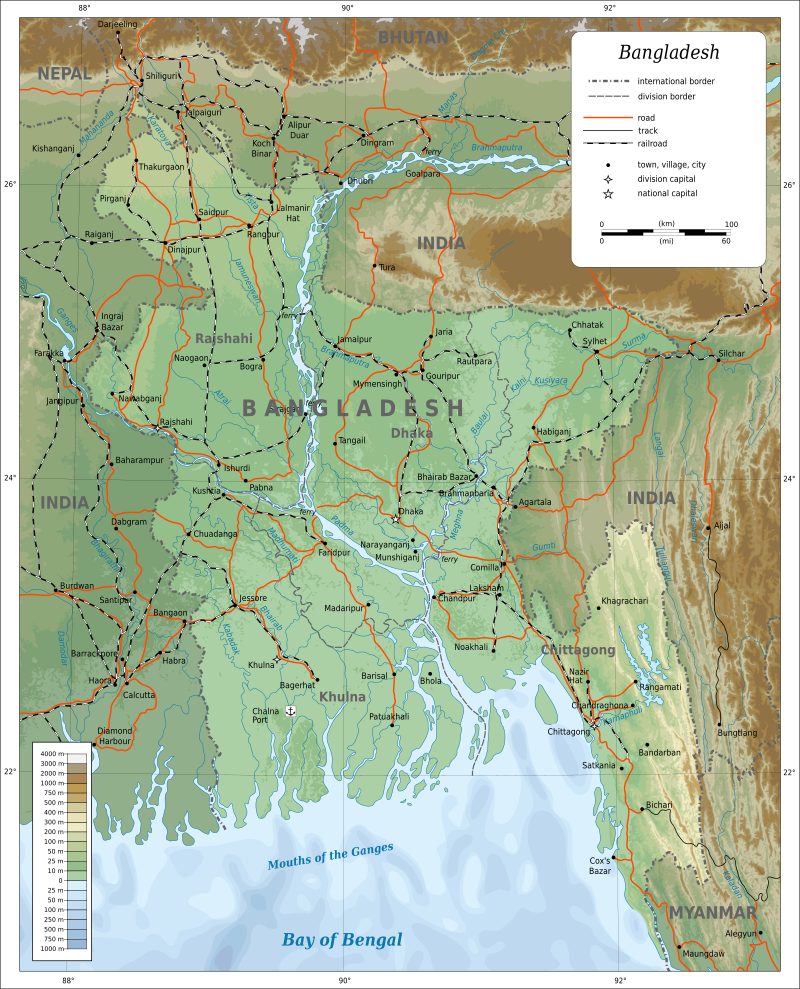
Signed back on December 12, 1996, the original 30-year pact was designed to solve a massive headache. How do you divide dry-season water flows at the Farakka Barrage without starving either nation's agriculture and waterways?
The text is specific. Running annually from January through May, the sharing formula splits water based on 10-day period availability.
- If availability drops to 70,000 cusecs or less, it is split right down the middle at 50-50.
- If it hovers between 70,000 and 75,000 cusecs, Bangladesh gets a fixed 35,000 cusecs.
- If it goes beyond 75,000 cusecs, India takes 40,000 cusecs and the rest goes downstream.
It is a complex balancing act. It requires joint monitoring teams stationed at both the Farakka Barrage in India and the Hardinge Bridge in Bangladesh.
The Institutional Machinery Behind the Scenes
When external voices demand immediate treaty overhauls, they tend to ignore how river diplomacy actually functions. India and Bangladesh share 54 transboundary rivers. Managing that hydro-geography takes more than a press conference.
The primary engine for this work is the Joint Rivers Commission. Established decades ago, this technical body handles the day-to-day reality of shared water flow, joint data collection, and dispute mitigation. MEA spokesperson Randhir Jaiswal pointed straight to this framework when dismissing outside noise.
Water management is technical work. It relies on hydrological data, seasonal rainfall patterns, and upstream infrastructural needs, not political rhetoric.
Real Challenges Facing the Next Agreement
Treaty renewal sounds simple on paper, but the ground reality has shifted dramatically since 1996.
Climate change is altering glacial melt patterns in the Himalayas. Dry-season flows are less predictable than they used to be. Upstream water demands inside Indian states have grown exponentially. Meeting guaranteed quotas during lean months gets harder every single year.
Then there is the shadow of other unfulfilled water agreements. The proposed Teesta River treaty, for instance, stalled out years ago due to domestic political friction within India, specifically from West Bengal state leadership. Rivers do not care about state lines, but federal democracies have to manage them anyway.
What Happens Next
Expect quieter technical meetings behind closed doors rather than flashy diplomatic breakthroughs. The Joint Rivers Commission will keep reviewing hydrological data. Experts will crunch the numbers on lean-season flow averages from past decades.
The deadline is December. India's stance means the conversation will happen through proper diplomatic protocols, keeping technical reality ahead of political theater.