The narrative surrounding the war in Ukraine just shifted gears. For over a year, the international community watched as Washington's attention fractured, pulled away by a massive conflict with Iran. The Kremlin sensed an opportunity. Vladimir Putin actively tried to cut Europe and Kyiv completely out of the equation, attempting to negotiate Ukraine's future directly with the US.
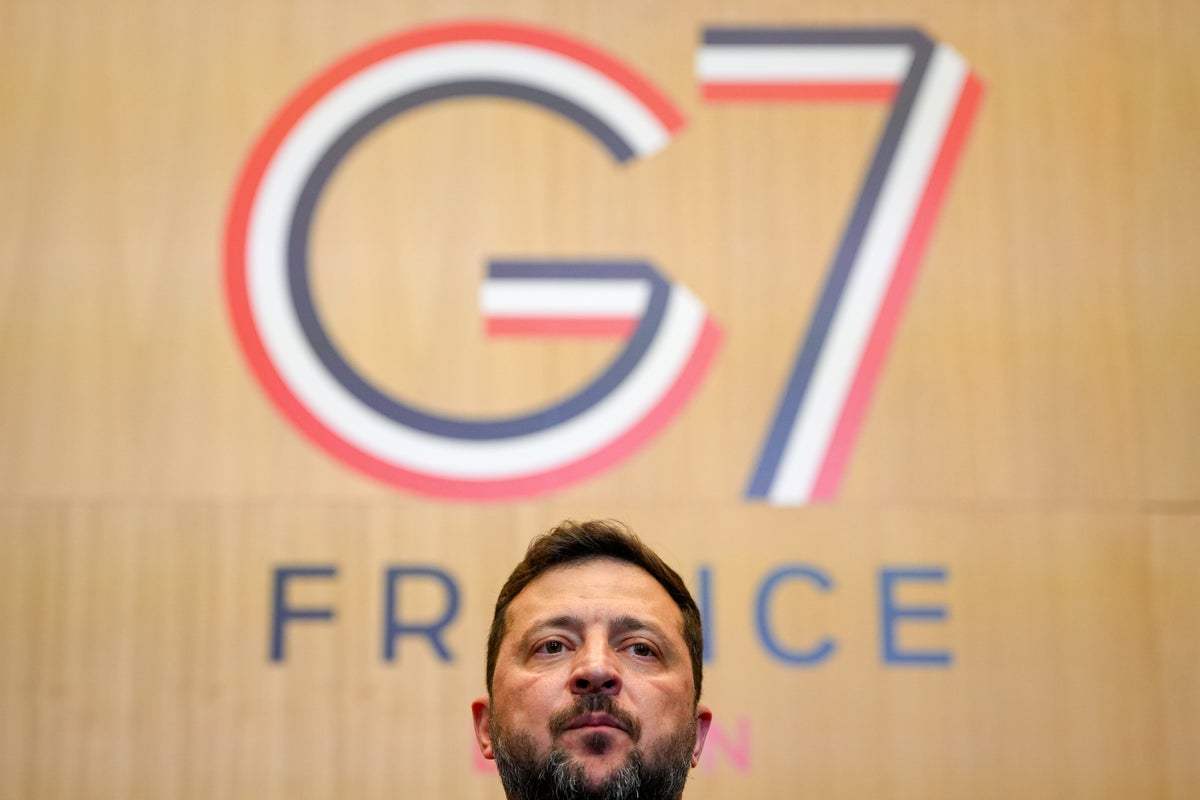
But things didn't go according to Moscow's script at the Group of Seven summit in Evian-les-Bains, France.
Ukrainian President Volodymyr Zelenskyy walked away from the high-stakes gathering with heavy-hitting pledges of support. The world's leading industrial economies promised to tighten the economic screws on Moscow, protect Ukraine's crippled energy grid, and heavily upgrade its air defense networks.
If you've been following the conflict, you know the stakes couldn't be higher. The war has dragged into its fifth year, outlasting the duration of World War I. Yet, instead of the exhausting stalemate many expected, a sudden burst of diplomatic and battlefield momentum has completely flipped the script.
The Real Shift in the Battlefield Dynamics
You can't understand the political promises made in France without looking at what's actually happening on the ground. For months, the mainstream consensus was that Ukraine was stuck on the defensive. That's no longer true.
Kyiv's deployment of advanced, long-range drone technology has shifted the paradigm. These high-tech drones aren't just hitting frontline trenches; they are pinning down Russian troops, choking off vital supply lines in occupied territories, and actively striking oil depots deep inside Russian borders. Just this week, a massive drone strike targeted an oil depot in Russia's Poltavskaya region, while Moscow's defense ministry admitted to scrambling systems to down 157 drones in a single night.
These strikes do more than drain Putin's war chest by disrupting oil revenue. They bring the reality of the war directly to the Russian public.
UK Prime Minister Keir Starmer didn't mince words at the summit, noting a clear "mood change" among allies. Ukraine is actively taking territory rather than just holding the line. This newfound battlefield leverage is exactly why Western leaders are suddenly showing a level of unity we haven't seen in a long time.
The Trump Factor and the Push for Summer Diplomacy
Let's look at the elephant in the room. The real anxiety heading into this summit revolved around US President Donald Trump.
Last year, Trump bluntly told Zelenskyy during an Oval Office visit that Ukraine held zero cards and lacked leverage. Since then, the White House has been deeply distracted by a year-long effort to contain the Iran war. With a 60-day ceasefire finally secured in Iran, Trump arrived in France ready to talk about Ukraine, and the dynamic was surprisingly different.
French President Emmanuel Macron intentionally cornered Trump, pushing the narrative that Western allies must remain united to force Russia to the negotiating table. Macron was even caught on a hot mic admitting to Zelenskyy that early discussions with Trump had been tough.
But a crucial, last-minute face-to-face meeting between Trump, Macron, and Zelenskyy changed the tone. Zelenskyy's core mission was to prove to the US president that Ukraine isn't losing. He pushed back against the idea that Washington should act as a mere messenger between Kyiv and Moscow, insisting the US must be an active mediator backing Ukrainian sovereignty.
It seemingly worked. Following the meeting, Trump publicly declared that Russia "should make a deal" to end the conflict, calling the ongoing casualties ridiculous. While details remain sparse, the shift from telling Ukraine they have "no leverage" to telling Russia they "need to make a deal" is a massive diplomatic win for Kyiv. German Foreign Minister Johann Wadephul even hinted that formal peace talks could realistically kick off before the end of the summer.
Breaking Down the Promised G7 Support
The joint statement published by the leaders of Japan, the UK, France, Germany, Italy, Canada, and the US went beyond standard political platitudes. They focused heavily on structural survival and economic warfare.
- Choking the Shadow Fleet: The UK led the charge by launching 70 new sanctions explicitly targeting Russia's decrepit "shadow fleet"—a network of more than 600 rogue vessels used by Moscow to smuggle oil and liquified natural gas (LNG) past international embargoes.
- Nuclear and Energy Resilience: With Ukraine's electrical grid facing brutal Russian bombardment ahead of another cold season, Starmer announced £210 million in UK Export Finance to support and secure Ukraine's nuclear power plants, alongside enriched uranium supplies.
- The Hunt for Air Defense Licences: Russia's strategic bombing campaigns continue to wreak havoc, recently destroying a children's equestrian sports school in the Sumy region. Ukraine is desperately short of American-made Patriot missiles because US stockpiles have been heavily depleted by the Middle East crisis. While the G7 promised general air defense upgrades, the real breakthrough is that leaders are actively reviewing Kyiv's request for licensing permits, which would allow Ukraine to manufacture Western-designed Patriot missiles domestically.
What This Means for the Coming Months
Don't mistake this summit for a permanent victory. While German Chancellor Friedrich Merz called G7 backing "as strong as seldom before," the path ahead is incredibly messy.
On Monday, Ukraine officially opened its European Union membership negotiations. It's a massive symbolic milestone, but the actual bureaucratic process will take years. Zelenskyy himself warned his allies at the summit that if the West doesn't move swiftly, the Kremlin will inevitably find new ways to sabotage their EU accession.
Furthermore, Putin has absolutely no intention of backing down easily. The Russian military is still pulling out all stops to break Ukrainian morale, relying heavily on ballistic missile strikes against civilian infrastructure to offset their logistical failures on the front lines.
If you want to track where this conflict goes next, keep your eyes on two specific indicators: whether the US actually greenlights domestic Patriot missile manufacturing inside Ukraine, and whether the proposed diplomatic framework for this summer forces Putin to abandon his strategy of bypassing European negotiators. The G7 just gave Kyiv a massive shot of adrenaline, but the real test is whether that momentum holds when the winter frost sets in.