High-speed racing and centuries-old masterpieces rarely mix. When Washington D.C. announced plans to host the Freedom 250 Grand Prix—an IndyCar street race tearing through the National Mall—cultural institutions didn't break out the champagne. They broke out the bubble wrap.
Museums sitting directly on the race route, most notably the National Gallery of Art, quietly initiated vibration studies and relocated sensitive pieces. Twin-turbocharged V-6 engines screaming down Pennsylvania Avenue at over 180 miles per hour generate a very specific kind of ground-shaking terror for museum curators.
The High Cost of Speed Near the National Mall
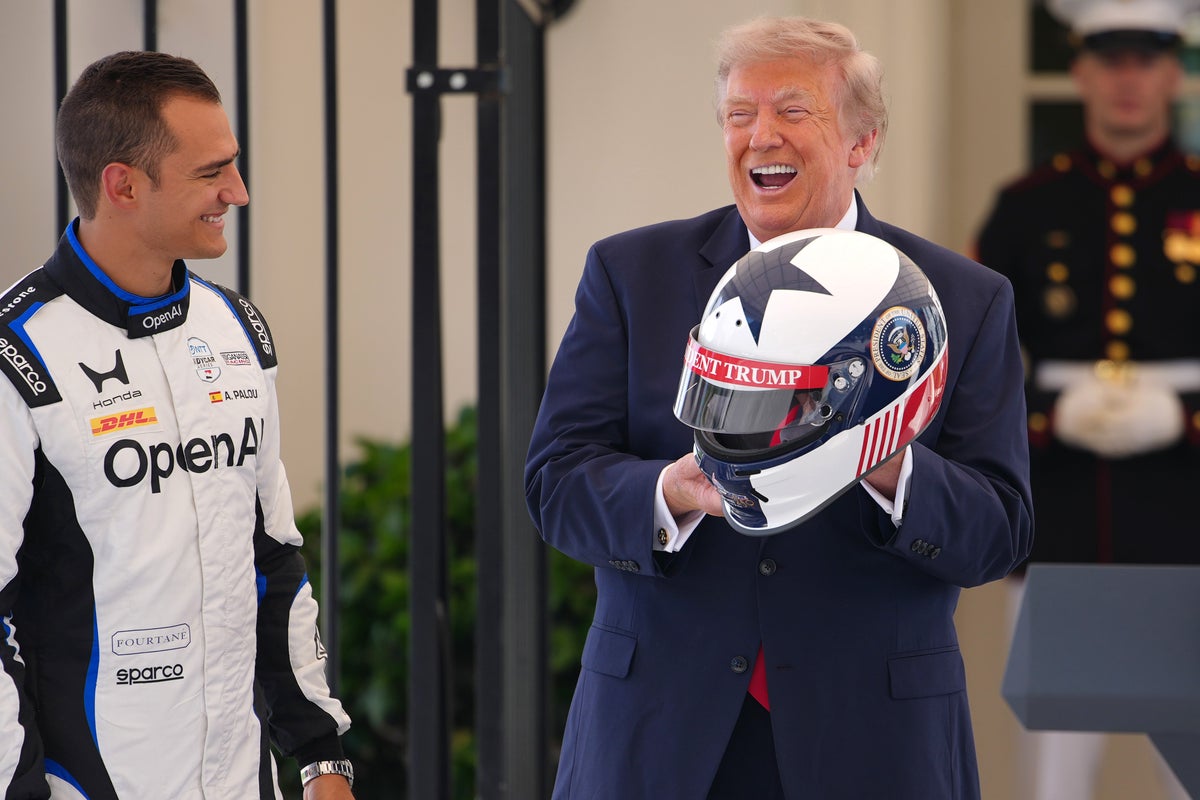
Let's look at the logistics. President Donald Trump's executive order pushed the semiquincentennial street race into motion at lightning speed, leaving local officials and federal entities scrambling to coordinate. The 1.7-mile circuit loops past legendary cultural depositories, including the Smithsonian National Air and Space Museum, the National Archives, and the National Gallery of Art.
While race organizers promise an unforgettable celebration for America's 250th birthday, museum staff deal with the harsh reality of structural physics. Low-frequency vibrations travel through urban asphalt and into stone foundations with surprising ease. Canvases from the Renaissance, delicate marble sculptures, and brittle historic plaster do not appreciate heavy seismic rumblings.
Some dismiss these concerns as hyperbole. They point to previous street races held near cultural facilities—such as NASCAR events rumbling past the Art Institute of Chicago—arguing that ambient city bus traffic or even heavy foot traffic inside galleries often causes comparable micro-vibrations.
Curators aren't taking chances, though.
Behind the Scenes at the National Gallery
Museum conservation teams operate on a strict principle of prevention. When exterior threats loom, proactive defense beats restoration every single time.
The National Gallery of Art conducted localized vibration assessments to measure how race day acoustics and ground ripples would impact their buildings. Behind closed doors, staff members shifted specific paintings away from exterior perimeter walls facing the track.
It sounds extreme until you understand how fragile high-value art actually is. A centuries-old oil painting relies on a rigid weave of canvas and layers of brittle paint. Continuous rhythmic pounding can exacerbate microscopic cracks in plaster substrates, a phenomenon already documented in nearby historic properties like the historic Cohen building.
Balancing National Celebration and Preservation
Big political spectacles often clash with everyday civic infrastructure. The White House wanted a high-octane tribute to American ingenuity and motorsport legacy. They got their executive order.
Yet, the bureaucratic scramble caught local leaders flat-footed. Preservation advocates argue that standard environmental reviews, such as Section 106 evaluations under the National Historic Preservation Act, were bypassed or severely compressed to meet the August race window.
When noise levels push past 130 decibels—outpacing regular traffic and rivaling heavy construction equipment—historic walls vibrate. For institutions housing irreplaceable human history, dealing with the aftermath of a mechanical tremor is a risk management nightmare.
Check your local museum guidelines if you plan to visit during the event weekend. Many venues right on the circuit have adjusted standard operating procedures or ticket requirements to manage the massive influx of race fans alongside regular art patrons.
Protecting national treasures requires staying ahead of the shockwaves, whether those shockwaves come from political mandates or roaring racecars.