Disaster coverage always follows a predictable script. We count the dead, measure the magnitude, and stare at drone footage of collapsed concrete. But numbers rarely capture the psychological weight left behind when the shaking stops.
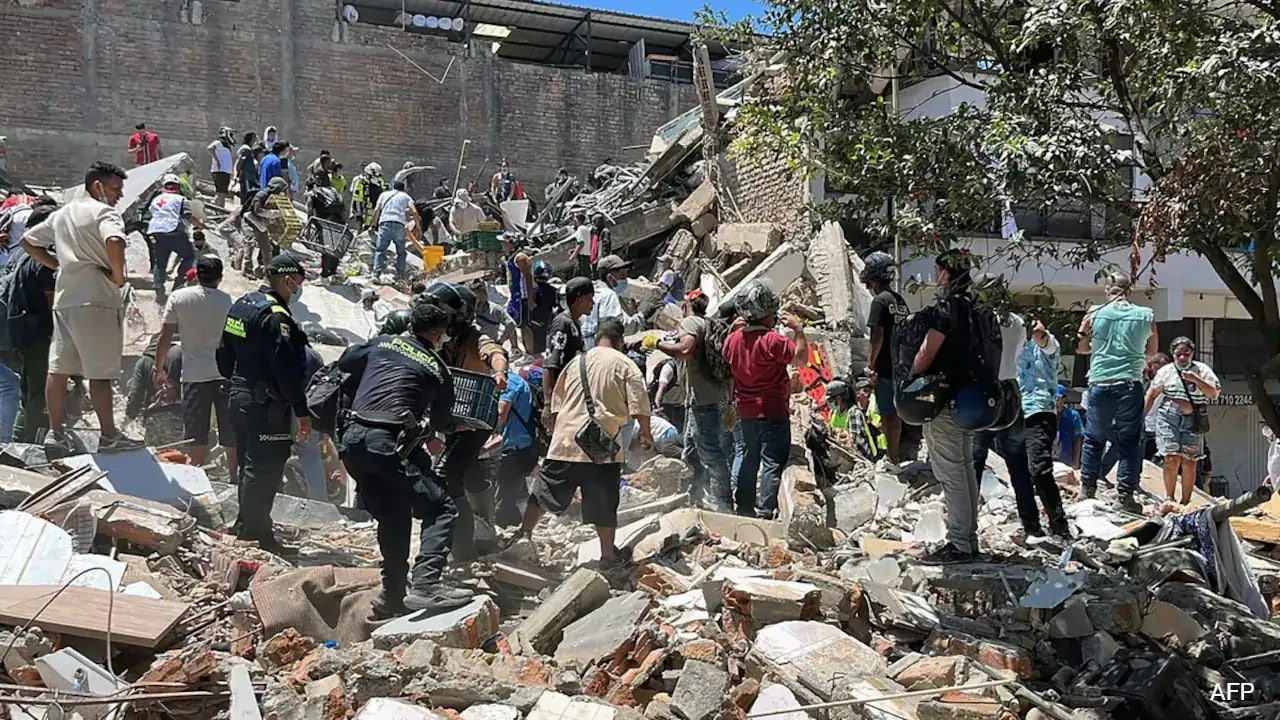
When a massive 7.4-magnitude earthquake struck western Colombia, killing at least 273 people and injuring thousands more, the immediate response followed standard disaster protocols. Heavy machinery rolled into towns like Cali and Quibdó. Medical teams set up triage units. President Abelardo de la Espriella declared a state of emergency to fast-track aid.
Yet, amid the rubble and the desperate search for missing persons, a local musician named Andres Solomon chose a different kind of relief work. Armed with a simple cardboard sign in the Capri neighborhood of Cali, the 46-year-old began offering free hugs to anyone willing to stop.
You won't find his makeshift station listed on official government response manifests. You won't see it accounting for gross domestic product losses or structural damage reports. But Solomon understands a fundamental truth about human trauma that bureaucrats often miss. Physical survival is only the first hurdle. The invisible wounds take much longer to heal.
The Weight of Collective Trauma
Communities experiencing sudden catastrophe rarely break down right away. Survival mode kicks in. Adrenaline takes over. People spend hours maintaining a brittle facade of strength for their families while internalizing immense fear and grief.
Solomon recognized that intensity firsthand. Standing under the shade of local trees, his goal wasn't to dispense medical advice or distribute bottled water. He wanted to provide a safe space for people to drop their shoulders, stop holding their breath, and let the shock out.
When your home turns to dust and your neighborhood transforms into a hazard zone, touch and human presence serve as powerful anchors. Psychological research consistently shows that physical reassurance reduces cortisol levels and helps regulate a nervous system stuck in overdrive.
Beyond the Civilian Population
The demand for comfort extended far past everyday residents who lost their belongings. First responders, medical personnel, and local search crews also sought solace at Solomon's station.
Frontline workers carry a brutal burden during natural disasters. They pull survivors from collapsed buildings, witness unimaginable loss, and push through exhaustion without stopping to process what they are seeing. For these workers, pulling away for a moment of quiet connection isn't a luxury. It's a mental health necessity required to maintain the endurance needed for ongoing recovery operations.
We celebrate the heavy excavators and military logistics. We should also acknowledge the quiet power of someone willing to stand still and let a stranger cry on their shoulder.
When Pop Stars and Communities Rally
Solomon's grassroots effort mirrors a broader cultural wave of solidarity sweeping across the country. Major Colombian artists, including Shakira, J Balvin, and Maluma, quickly used their platforms to draw attention to the crisis. Shakira posted emotional messages urging Colombians to lean on their historical resilience and stay alert to official instructions. Others amplified donation links for grassroots initiatives like Colombia Se Levanta, channeling money and resources directly to affected families.
National support matters immensely. Financial aid buys tents, food, and medicine. But empathy on the ground fills a void that money cannot touch.
What We Can Learn From Grassroots Compassion
It is easy to feel entirely helpless when watching distant tragedies unfold on a screen. Most of us don't have millions of dollars to donate to emergency funds, nor do we possess the engineering skills to stabilize a ruined foundation.
Solomon’s approach offers a clear blueprint. You don't need a massive platform or a specialized government title to make an impact during a crisis. You just need to show up for the people right in front of you. Whether that means offering a listening ear, checking on a neighbor, or simply providing a moment of human warmth to someone carrying too much weight, small acts of care compound quickly.
Disasters test the physical infrastructure of a nation. They also test its soul. While the rebuilding of schools, health centers, and homes will take months and years, the emotional recovery starts the moment people stop feeling entirely alone in the dark.
Check on your local community networks today. Find verified organizations like Colombia Se Levanta if you want to support structural recovery efforts. Or simply reach out to someone carrying a heavy load and remind them they don't have to carry it by themselves.