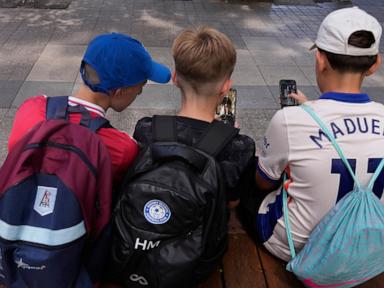
French politicians are panicking, and the clock is ticking down fast. Right now, lawmakers in Paris are sprinting to pass a law that forces social media platforms to lock out anyone under the age of 15. They want this ban live by the time the school bells ring this September. If you think this is just another empty political promise, think again.
President Emmanuel Macron is putting his full weight behind the push. It is one of his final big plays before his term ends next year. On Monday, July 20, 2026, members of the National Assembly and the Senate locked themselves in a room to hammer out a compromise after the European Commission threatened to kill the whole thing. They emerged with a deal, setting up a final vote.
But let's be honest about what is happening here. Passing a law is the easy part. Actually keeping a determined 14-year-old off TikTok or Instagram? That is a whole different story. This is a massive, aggressive move to reshape how teenagers interact with the internet, and the execution is going to be messy.
The Secret Fight Behind the Blanket Ban
The path to this moment has been a chaotic political wrestling match. The French National Assembly wanted a total, blanket ban on all social networking sites for kids under 15. The Senate, however, wanted to create a specific blacklist of banned apps.
Then the European Union stepped in and threw a massive wrench in the gears. The European Commission reviewed the draft and declared it broke EU law. Specifically, it conflicted with Europe's Digital Services Act, which already dictates how big tech companies must protect users online. Brussels told France to rewrite the bill or face the consequences.
To save the legislation before the summer recess, French lawmakers gave in to the Assembly's original idea. They agreed on a blanket ban. By doing this, they effectively shifted the regulatory burden over to the EU authorities to handle enforcement. The new law will explicitly exempt certain spaces. Online encyclopedias, open-source development software, and educational directories will remain fully accessible to kids. Everything else is on the chopping block.
The Mental Health Crisis Fueling the Fire
Why is the government moving with such reckless speed? Look at the numbers. France's public health watchdog recently revealed that 50% of teenagers spend between two and five hours every single day glued to a smartphone. Around 90% of kids between 12 and 17 use a smartphone daily, and nearly 60% use them strictly for social media.
This is not just about screen time. It is about survival. The government is responding directly to a wave of lawsuits from French families who blame TikTok's algorithms for the suicides and self-harm of their teenage children. Laura Miller, the author of the bill, put it bluntly during the debates: children's minds are not a marketplace. Teens are reading less, sleeping less, and constantly comparing themselves to unrealistic digital standards.
France is not acting in a vacuum either. They are riding a massive global wave of tech pushback. Australia already passed a strict under-16 social media ban late last year. Countries like the UK, Turkey, and Indonesia are implementing their own hard limits. Even European Commission President Ursula von der Leyen recently came out stating that kids under three should have zero screen time, pointing to infinite scrolling features as an inherently addictive trap.
The Enforcement Nightmare Nobody Wants to Talk About
Here is the elephant in the room. How do you actually prove a user is under 15 without creating a massive surveillance state? Tech platforms are notorious for ignoring age gates. A simple "Click here if you are 15" button will not cut it anymore.
Under the proposed rules, tech giants face massive fines if they fail to comply. Platforms will likely have until the end of December to completely purge or deactivate existing underage accounts. But the technology for foolproof, privacy-compliant age verification is still being developed at the EU level.
We have seen this failure before. Back in 2018, France passed a law banning mobile phones in nursery and middle schools. The reality? It has been incredibly difficult to enforce. Former Prime Minister Elisabeth Borne even publicly doubted the current high school phone ban, admitting that the reality on the ground is far more complicated than politicians want to admit.
Critics from the political left, including the France Unbowed party, are already calling this law empty showpiece legislation. They argue that schools are already forced to use state-mandated digital platforms like Pronote, which keep kids constantly hooked on checking their screens for grades and homework updates anyway. Banning TikTok does not fix a fundamentally broken relationship with tech.
Actionable Steps for Parents and Tech Managers
Do not wait for the government or the tech platforms to figure this out for you. The law cannot officially pass before August 10 due to EU notification requirements, but the September rollout is coming fast.
If you manage an online platform or work in tech compliance:
- Auditing your user registration flows immediately is your top priority.
- You need to prepare for stricter data privacy checks specifically tailored for French IP addresses.
- Build workflows to handle a massive influx of account verification requests from parents.
If you are a parent trying to navigate this transition:
- Talk to your kids now before the platforms begin deleting accounts later this year.
- Transition them toward the exempted platforms, like collaborative open-source tools or digital encyclopedias, to keep them digitally literate without the toxic algorithms.
- Audit the built-in screen time limits on your household devices instead of relying on app developers to do the parenting for you.
The digital playground is changing permanently. You either adapt your household and business strategies now, or you get caught in the legal fallout this September.

/cdn.vox-cdn.com/uploads/chorus_image/image/73064899/1255687.0.jpg)