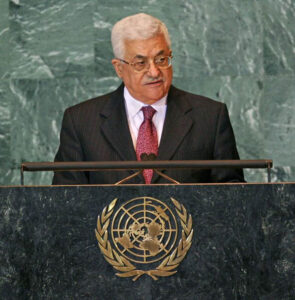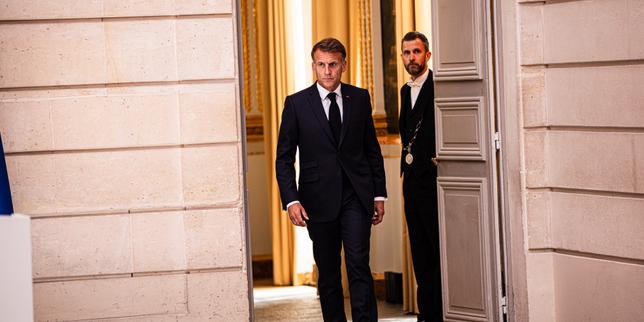
Twelve months ago, Paris made a high-stakes gamble. Standing at the United Nations General Assembly podium on September 22, 2025, Emmanuel Macron officially announced that France recognized the state of Palestine. It was pitched as a historic pivot, a bold attempt to rescue the fading two-state solution from total collapse.
Fast forward to today, and that diplomatic momentum has flatlined. The initial shockwave of the French initiative has given way to political inertia, proving that symbolic declarations mean very little without concrete enforcement mechanisms or teeth.
The Reality Check Behind the Tribune Speech
When a major Western power breaks ranks to alter its official diplomatic stance, the world pays attention. Critics at the time called it a tactical distraction from domestic turmoil. Supporters hailed it as a return to Gaullist diplomacy.
Yet, the core problem of the French strategy was baked in from day one. It relied heavily on optics rather than strategy.
- No Enforcement Blueprint: Paris failed to establish a credible, binding framework to push other Western allies into following suit.
- The Timing Trap: Executing the announcement during a fractured international summit left little room for coordinated pressure on Israel or the Palestinian Authority.
- Domestic Friction: The move instantly sparked fierce internal polarization within the French political landscape, hamstringing any unified follow-up policy.
Diplomacy requires continuous pressure. Once the cameras stopped rolling at the UN, the diplomatic machinery in Paris shifted back to cautious management mode.
Where Did the Panache Go?
You don't change regional geopolitics with a single speech. Real influence demands economic leverage, consistent coalition building, and a willingness to absorb diplomatic blowback.
Instead of leading a sustained European block toward structural reforms, French diplomacy bogged down in procedural statements. Recent bilateral talks, such as the discussions between Paris and Amman regarding regional escalation, highlight a recurring pattern. Officials draft joint communiqués calling for clear timelines and security dialogues, but these texts rarely translate into tangible actions on the ground.
Israel’s hardline stance under Benjamin Netanyahu openly dismissed the French move as an empty gesture. Meanwhile, the Palestinian Authority remains too structurally weak to capitalize on the diplomatic windfall. Paris finds itself stuck in the middle, owning a historic milestone that yielded very few practical dividends.
What Needs to Happen Next
If French foreign policy wants to reclaim any credibility on the Middle East stage, it must drop the reliance on grand gestures.
First, Paris needs to tie its diplomatic recognition to actionable economic policies. That means pushing the European Union for stringent oversight of trade agreements and applying actual pressure regarding settlement expansions.
Second, the French executive must build an unbreakable regional consensus that goes beyond photo-ops with neighboring partners like Jordan or Saudi Arabia.
Symbolism has an expiration date. One year on, the French initiative on Palestine serves as a textbook lesson in how diplomatic courage fizzles out when it lacks sustained operational backing. Stop looking at the initial headlines. Look at the lack of follow-through.