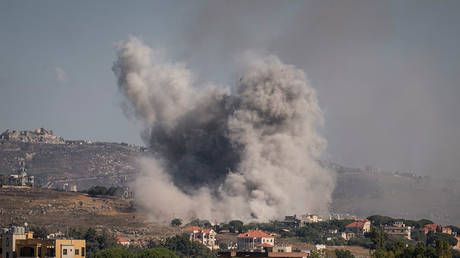
You can't look shopkeepers in the eye after two thousand stores get looted and pretend everything is fine. Interior Minister Laurent Nuñez learned that the hard way. Following a weekend of violent unrest that caught security forces entirely flat-footed, the French government dropped a heavy hand on public gatherings, rolling out partial curfews in Paris, Lille, and beyond.
If you are wondering how security forces missed the warning signs for a crowd topping 500,000 protesters—when intelligence predicted barely 200,000—you are asking the exact question keeping Emmanuel Macron awake at night. Intelligence gaps turned routine student-led demonstrations against the cost of living into an urban battlefield. Here is what is actually happening behind the headlines.
The Intelligence Failure That Broke Paris
Intelligence services completely miscalculated the scale of Saturday's mobilizations. When half a million people hit the streets across France, police deployment numbers were entirely inadequate. Planners banked on peaceful demonstrators voicing economic frustrations. Instead, well-organized extremist factions and opportunistic looters hijacked the crowds.
Shops were ransacked from Les Halles to Marseille. Over 2,500 arrests followed in just a couple of days. Nearly a thousand police officers and gendarmes sustained injuries. When the dust settled, Interior Minister Nuñez offered his resignation to President Macron, taking direct accountability for the operational breakdown. Macron declined the resignation, telling Nuñez to fix the operational methods on the ground instead of stepping down.
Prime Minister Sébastien Lecornu stepped in to announce localized curfews from 8 PM to 6 AM in northern cities like Lille. In Paris, strict curfews hit iconic hotspots including Place de la République and the Les Halles shopping district. Gatherings are completely banned during these hours. Anyone caught lingering faces immediate detention.
Why the Curfews Might Not Be Enough
Curfews are a classic playbook move for a rattled French state, but mayors and local officials are already pushing back. Paris Mayor Emmanuel Grégoire pointed the finger squarely at the central government, arguing that the state failed in its primary duty to maintain public order. Meanwhile, protests spilled into unexpected territory, with activists successfully blocking entrances to the Louvre Museum to protest what they call heavy-handed policing.
The government is also scrambling to plug secondary leaks. Digital Minister Anne Le Henanff hauled representatives from Vinted, eBay, Amazon, TikTok, and Meta into meetings to demand the immediate removal of listings featuring stolen goods. Looters aren't just walking away with physical items; they are trying to flip them online within hours.
What Comes Next for the Macron Administration
With a crunch presidential election looming just six months away, the timing couldn't be worse for the current administration. Economic pressures are squeezing households across Europe, sparking copycat demonstrations in Italy, Belgium, and Albania. But France's unique brand of explosive street politics has turned these economic grievances into an institutional crisis.
Unions are already calling for fresh strikes and massive rallies on November 5. If the state cannot secure intelligence cooperation and rewrite its crowd-control tactics before then, partial curfews in Paris and regional hubs will look like a temporary bandage on a gaping wound. Keep an eye on how quickly online marketplaces comply with government pressure, and whether security forces can regain the initiative before the next wave hits.