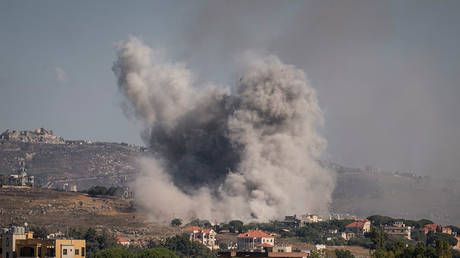
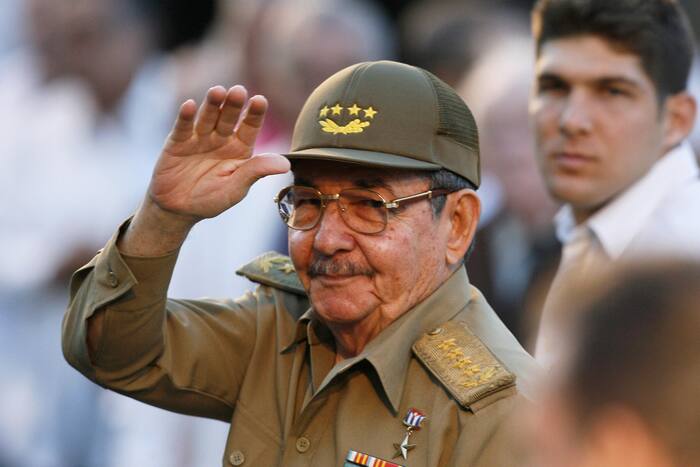
When missiles start landing near airports and economic hubs, geopolitics moves fast. Egypt just drew a sharp line in the sand. President Abdel Fattah el-Sisi announced that Cairo is ready to send all necessary support to Saudi Arabia as escalating Houthi attacks threaten the kingdom.
If you've been watching the Red Sea corridor or tracking the fallout from recent regional clashes, you know this shift isn't happening in a vacuum. It's a calculated move driven by economic pain, maritime security fears, and deep regional alliances. Let's look at what's actually happening behind the diplomatic statements.
The Breaking Point in the Red Sea
The immediate trigger is simple. Houthi attacks targeting Saudi infrastructure, including international airports and oil facilities, have intensified. At the same time, commercial shipping through the Bab el-Mandeb strait faces severe disruption.
Egypt isn't just watching from the sidelines as a friendly neighbor. Cairo has skin in the game. The Suez Canal, a vital economic lifeline for Egypt, has bled billions in revenue since Houthi maritime strikes disrupted traffic. When regional instability hits a country's treasury, national security policy changes overnight.
President el-Sisi convened the National Defence Council to formalize Cairo's position. The message was direct. Egypt views the security of Saudi Arabia and the Gulf as inseparable from its own national security.
Beyond the Rhetoric: What Military Support Means
Cairo's pledge isn't just talk. President el-Sisi sought authorization from the Egyptian parliament to deploy troops and military assets abroad if required. While lawmakers delayed an immediate vote amid domestic debates over the extent of military commitments, the intent is clear.
Egypt boasts the largest military in the Arab world. Adding that weight to the equation changes the strategic balance for Saudi Arabia. Riyadh has faced relentless drone and missile strikes, prompting travel warnings from nations like the US, Australia, and the UK.
Yet, Egypt is walking a fine line. While Turkey and Pakistan have activated defense pacts with Riyadh, Cairo has calibrated its approach carefully. Analysts point out that Egypt wants to protect its vital trade routes without getting dragged into an endless quagmire in Yemen.
Why Cairo and Riyadh Need Each Other Now
The relationship between Egypt and Saudi Arabia runs deep, built on decades of financial backing and strategic alignment. Saudi investments and aid have supported Egypt through tough economic cycles. In return, Riyadh relies on Cairo's military weight as a regional deterrent.
There's also a psychological component to statecraft. Egypt cannot afford to look like the regional ally that stood back while its neighbor absorbed relentless drone attacks. Standing shoulder-to-shoulder with Riyadh reinforces regional deterrence against external actors like Iran, which Saudi Arabia accuses of fueling the Houthi escalation—an accusation Tehran denies.
What Happens Next
The crisis in the Red Sea is entering a dangerous new phase. As diplomatic efforts falter and militant groups expand operations, the risk of a wider regional conflagration grows by the day.
Cairo's willingness to step up military assistance means the diplomatic calculus has shifted. Keep an eye on parliamentary votes in Cairo and maritime insurance rates in the Red Sea. Those two metrics will tell you faster than any press release whether this alliance is heading toward active deployment or a negotiated ceasefire.