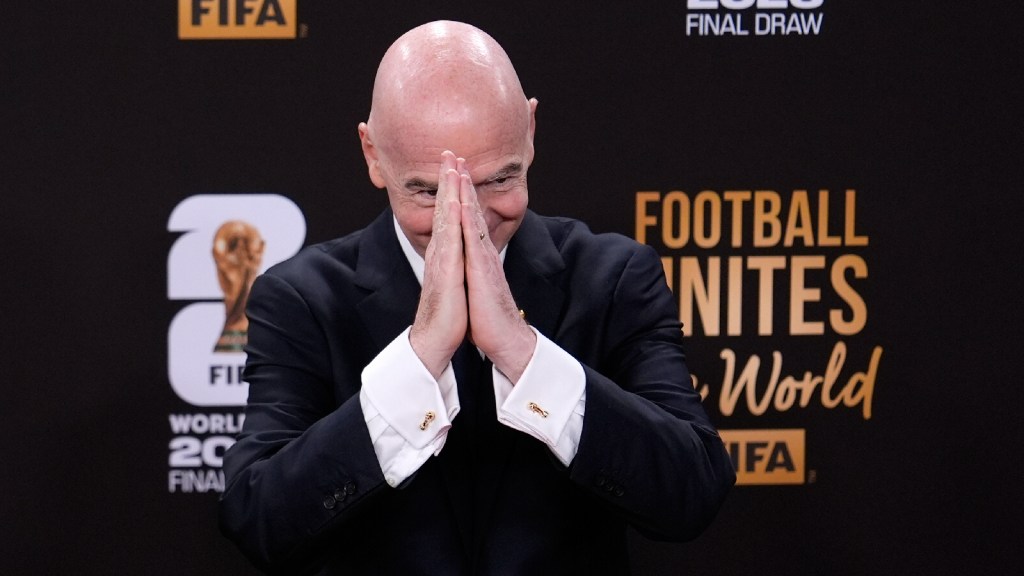
We pretend to hate the corruption, the astronomical wages, and the constant stream of ethical scandals. Yet, we keep watching. Millions tune in week after week, ignoring the governance failures, financial doping, and institutional rot that plague modern soccer.
Why do we tolerate the mess? Because the chaos is part of the product. The sport isn't popular despite its dark side; it thrives because of it.
The Economics of Scandal
Look at how organizations like FIFA operate. Allegations of bribery, opaque bidding processes, and executive corruption are regular occurrences. Presidents change, but the system stays dirty. Under leaders like João Havelange and Sepp Blatter, financial impropriety became an open secret. Did stadium attendance drop? Did television contracts dry up? Not at all.
Instead, the scandals act as free marketing. They turn administrative bodies into soap opera villains. Fans love a good drama. When officials are caught moving shady funds, it feeds a global narrative of powerful elites behaving badly. It gives supporters something to argue about down at the pub long before the weekend whistle blows.
Tribalism Over Morality
Football relies on tribal identity. You choose a club, sometimes based on geography or family tradition, and you stick with it through thick and thin. This psychological lock-in creates strange moral blind spots.
When your star striker dives to win a penalty, it is clever gamesmanship. When an opponent does it, it is cheating. When your club takes sponsorship money from a controversial state-backed regime, it is smart business. When a rival does it, it is sports-washing.
Fans compartmentalize the rot because the emotional payoff of winning overrides abstract ethical concerns. The game offers a rare sense of belonging. In a fragmented modern world, standing shoulder-to-shoulder in a packed stadium provides an authentic rush that digital life cannot replicate.
The Appeal of the Villain
Sport needs antagonists. Perfection is boring. If every club was run by ethical saints with transparent budgets, soccer would lose its narrative punch.
We are drawn to the excess. Billionaire owners buying clubs like toys, players throwing tantrums on the pitch, and managers getting fired six months after signing a lucrative extension—it is high-stakes theater. The sport combines breathtaking athletic achievement with sheer, unadulterated absurdity.
Every major controversy generates endless media cycles. Talk radio, podcasts, and social media feeds run 24 hours a day fueled entirely by outrage. We consume the dirt because it makes the eventual triumph on the pitch feel even sweeter.
Stop pretending soccer will clean up its act. It won't, because the audience doesn't actually want it to. Accept the contradiction, enjoy the spectacle, and watch how the next billion-dollar scandal unfolds.