Heavy rain and flash flooding don't wait for a convenient time to strike. When major weather systems trigger urgent alerts across multiple states, millions of people find themselves scrambling to understand evacuation orders, monitor rapidly rising rivers, and avoid dangerous roads. If you've ever watched water pool over a neighborhood street in minutes, you know how quickly a standard rainstorm turns into a life-threatening crisis.
Understanding why these deluges happen and how to protect yourself can mean the difference between a minor inconvenience and a disaster. Let's break down the realities of flash flood threats, why urban and rural areas react so differently to heavy rainfall, and what practical steps you need to take right now.
The Science Behind Sudden Deluges
Water moves faster than most people expect. When severe thunderstorms or slow-moving frontal systems drop several inches of rain in a single hour, the ground simply cannot absorb the moisture fast enough. This is especially true in regions with baked, dry soil or heavily paved urban environments.
Think about concrete parking lots, asphalt highways, and sprawling suburban developments. Instead of soaking into the earth, rainwater rushes straight into storm drains, creeks, and low-lying intersections. Meteorologists often point out that flash floods are among the most dangerous weather events because they develop in mere minutes, catching drivers and homeowners completely off guard.
When flood watches and warnings go into effect for tens of millions of residents across multiple states, the threat isn't just about wet grass. Creeks overflow their banks, culverts back up, and rapid water currents sweep vehicles away with alarming ease.
Why Drivers Make Fatal Mistakes in High Water
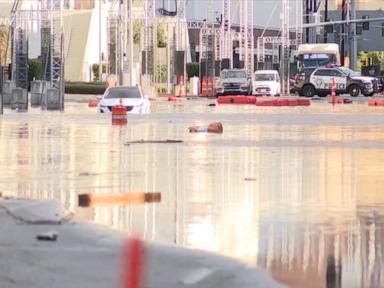
One of the most persistent hazards during heavy rain events involves vehicles on flooded roads. It’s easy to misjudge the depth of water rushing across an asphalt dip or an underpass.
Just six inches of moving water can reach the bottom of a typical passenger car, causing loss of control or stalling the engine. Worse yet, a mere twelve inches of rushing water can float many types of vehicles, and two feet of rushing water will carry away almost any car, SUV, or small truck.
Emergency rescue crews routinely pull stranded motorists from rooftops or flooded drainage channels because drivers attempt to cross water-covered roadways. The golden rule taught by safety officials remains absolute: turn around, don't drown. If a road is flooded, you have no way of knowing if the pavement underneath has washed away entirely.
Preparing Your Home Before the Storm Hits
Waiting for water to reach your front step is a losing strategy. If you live in a flood-prone zone or a low-lying valley, preparation starts long before the radar turns red.
- Clear your gutters and downspouts: Make sure rainwater directs at least a few feet away from your foundation. Clogged drains force water right against your basement walls.
- Move valuables off basement floors: If you store keepsakes, electronics, or important documents downstairs, elevate them onto high shelving units immediately.
- Check your insurance policies: Standard homeowners insurance policies typically do not cover flood damage. If you need a separate policy through the National Flood Insurance Program, you have to purchase it before a storm warning goes into effect, as policies carry a 30-day waiting period.
- Charge emergency gear: Keep portable phone chargers, battery-powered weather radios, and flashlights accessible in case power grids fail during severe winds and lightning.
What to Do When a Flash Flood Warning is Issued
When the National Weather Service issues a flash flood warning for your specific county, the danger is imminent. You need to act immediately rather than waiting for local authorities to knock on your door.
Move to higher ground right away if you live near a stream, river, or prone urban basin. Never sleep in a basement apartment if a severe flood warning is active overnight. Water can rise faster than you can wake up and react.
Keep a close eye on trusted local meteorologists and emergency management channels. When the storm passes, continue to treat standing water with extreme caution, as downed power lines and hidden sinkholes frequently lurk beneath the surface.
Review your local evacuation routes today, check on vulnerable neighbors who might need assistance, and keep emergency supplies packed so you're never caught unprepared when the next heavy rain system rolls in.