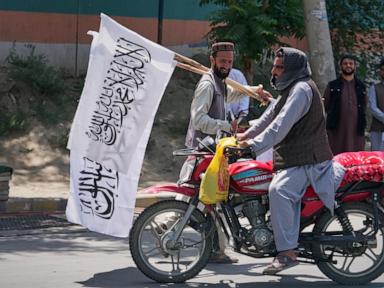
Five years have passed since the chaotic American and NATO military exit from Kabul on August 15, 2021. The Taliban swept back into control faster than Western intelligence predicted. Today, the reality of Afghanistan under this regime is a stark contradiction.
Walk down certain streets in Kabul and you will hear a surprising sentiment from locals. It is safety. After decades of continuous conflict, bombings, and insurgent warfare, people note that armed street battles have largely stopped.
Take Mohammad Qasim, a 30-year-old resident of the capital. Reflecting on this five-year milestone, he puts it plainly: "Thank God, the past five years have passed in safety."
Yet, safety from crossfire hasn't translated into well-being. Beneath the quiet streets lies a crippling economic crisis and a severe humanitarian squeeze.
The Quiet Crisis of Jobs and Opportunity
Security is nice. You can't eat it.
The immediate demand from ordinary citizens isn't ideological—it's practical. Young Afghans need work. Foreign aid plummeted after the Western withdrawal, freezing a massive portion of the nation's public sector and banking infrastructure.
Qasim and thousands of others are voicing a desperate plea for employment. Young people are staring down an economy with virtually no formal job growth, massive underemployment, and few prospects for the future. When international organizations pulled out, they took the financial engine of the cities with them.
The Cost of Exclusion in Education
You cannot talk about modern Afghanistan without addressing the heavy restriction on human capital. Girls above the age of 12 remain barred from secondary and higher education.
This isn't just a localized policy dispute. It is a total blockade on half the population's potential. Economists and human rights monitors point out that locking young women out of classrooms guarantees long-term poverty.
Families across the country are caught in a painful bind. They want their children to learn, build careers, and pull their households out of destitution. Instead, the ruling authorities maintain strict edicts against girls' schooling despite international condemnation and domestic appeals.
Looking Past the Headlines
The international community often treats Afghanistan as a static news item that pops up during anniversaries. But life inside the borders moves at a grueling, daily pace.
The regime achieved its primary internal goal of stamping out armed opposition in major cities. Checkpoints are manned, urban warfare has dropped, and transit between provinces has fewer random checkpoints.
That baseline order has bought the government a narrow window of local tolerance. But tolerance wears thin when stomachs are empty.
If the administration wants to survive long-term, it has to pivot from guns and checkpoints to basic economics and schooling. Without jobs and education, the current peace remains fragile.
Brave leaders educate girls in Afghanistan despite Taliban rule
This video highlights how communities inside Afghanistan continue pushing for educational access despite severe restrictions under the regime.
http://googleusercontent.com/youtube_content/1