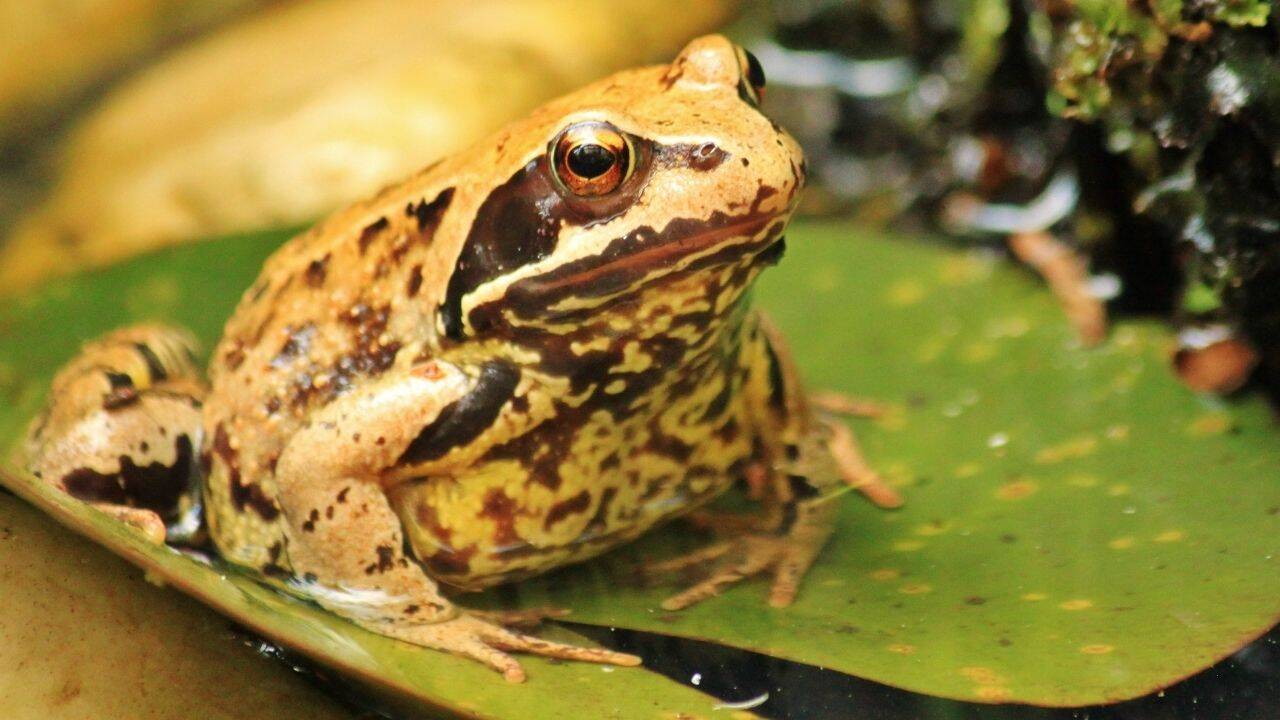
Finding a brand new vertebrate in the wild used to be a matter of luck. Today, it takes a twelve-year obsession. Researchers combing through the damp leaf litter of Madagascar and dusty museum basements just pulled off something remarkable. They tracked down and cataloged seven brand new species of diamond frogs.
If you think finding a frog in a tropical forest sounds straightforward, you haven't tried crawling through dense Malagasy undergrowth in the pitch black while listening for a call no human has ever recorded. It is exhausting work. It requires sleeping in muddy tents, dodging tropical downpours, and squinting at tiny amphibians that look identical to a dozen other species until you run a genetic sequence.
Madagascar is basically an alternate universe for evolution. Islands isolate things, and isolation breeds weirdness. More than ninety percent of the wildlife found on this island exists nowhere else on Earth. When scientists talk about diamond frogs, they mean the genus Mantidactylus, specifically a subgenus known for distinct physical traits and localized habitats. These creatures aren't sitting out in the open waiting to be photographed. They hide in rushing mountain streams, under rotting logs, and inside micro-climates that change every few miles of elevation.
Twelve years is a long time to chase a ghost. That timeline tells you something important about modern taxonomy. Nobody just walks into the jungle anymore, spots a green frog, and slaps a new name on it. The process is grueling. Field biologists spent over a decade collecting specimens, recording unique mating calls, and running molecular analyses back in the lab. They also had to pull decades-old specimens out of jars in European and American museums to check them against the fresh field data.
Taxonomy is messy. Museums hold type specimens collected a century ago by explorers who had no idea what DNA was. When modern teams look at those old preserved frogs using genetic sequencing, they often realize that what scientists thought was one widespread species is actually a complex of five or six entirely different species that just happen to look similar on the outside. This cryptic speciation is why it took so long. You can't tell these frogs apart by eye. You have to listen to their specific breeding songs and look at their genetic codes.
The Reality of Fieldwork in Madagascar
Fieldwork sounds romantic until you are three days deep into a remote rainforest with wet boots that will never dry. The researchers behind this discovery had to scale steep mountain ranges where roads don't exist. They relied on local guides who know the forests better than any academic paper ever could.
Most people don't realize that finding a new species is only half the battle. Once you catch a specimen, you have to document its living colors because preserved frogs lose their pigment in alcohol. You record audio of its call because acoustic differences often separate one species from its neighbor long before physical traits do. Then you preserve tissue samples for DNA extraction without contaminating them.
This specific group of diamond frogs lives near fast-flowing water. That habitat is both a blessing and a curse. Water drowns out background noise, making it easier to hear calling males at night. At the same time, rushing rivers make moving through the terrain at night genuinely dangerous. One wrong step means tumbling down a ravine into a swollen tropical stream.
Why These Discoveries Matter Right Now
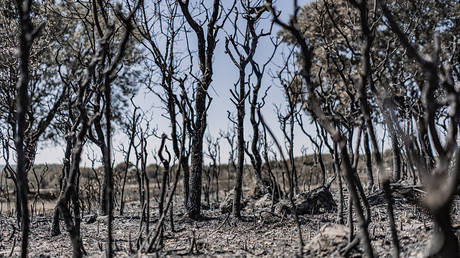
Every time science adds a new species to the official record, conservationists get a new tool to fight habitat loss. Madagascar is losing its forests at an alarming rate. Slash-and-burn agriculture, illegal logging, and climate change are chewing away at the exact micro-habitats these diamond frogs depend on.
If a species isn't named, it doesn't exist on paper. If it doesn't exist on paper, it receives zero legal protection when a mining company or logger rolls into the area. Describing seven new species at once isn't just an academic exercise for a university journal. It draws a red circle around specific patches of forest that desperately need preservation status.
Some of these newly identified frogs occupy tiny ranges. A single volcanic massif or one specific river valley might host an entire global population of a given species. That means a localized forest fire or a single agricultural project could wipe out an entire vertebrate species before humanity even figures out it is there.
The Museum Connection
You cannot understand modern biology without understanding natural history museums. The breakthrough didn't happen purely under the canopy of the rainforest. Half the work took place indoors, under bright desk lamps, comparing freshly caught specimens against historical collections gathered decades ago.
Museum curators are the unsung heroes of biodiversity research. They preserve the physical evidence of Earth's biological history. When taxonomists wanted to know if their newly found frogs matched anything collected in the nineteenth century, they shipped tissue samples or traveled to international repositories to check historical archives. Sometimes, a species sits in a jar for a hundred years, misidentified, until a researcher with modern genetic tools finally corrects the record.
This dual approach—combining fresh fieldwork with historical forensics—is the gold standard of contemporary science. It bridges the gap between old-school exploration and high-tech lab work.
What Happens Next for Madagascar Amphibians
Naming seven new diamond frogs closes a twelve-year chapter, but it opens a dozen new questions. Biologists now need to monitor population trends, assess their extinction risks under current climate models, and work with local communities in Madagascar to ensure these habitats remain intact.
Conservation only works when local people are part of the solution. The teams working in Madagascar rely heavily on local Malagasy parataxonomists and guides who live near these forests. Protecting a frog means protecting the watershed, and protecting the watershed means keeping clean drinking water flowing for human villages downstream.
If you want to support rainforest conservation, look toward organizations funding grassroots habitat protection in Madagascar rather than just clicking donate on distant corporate charities. Learn about how local land management affects endemic species. The next time you hear about a new animal discovery, remember the decade of mud, sweat, and lab work that brought it to light.