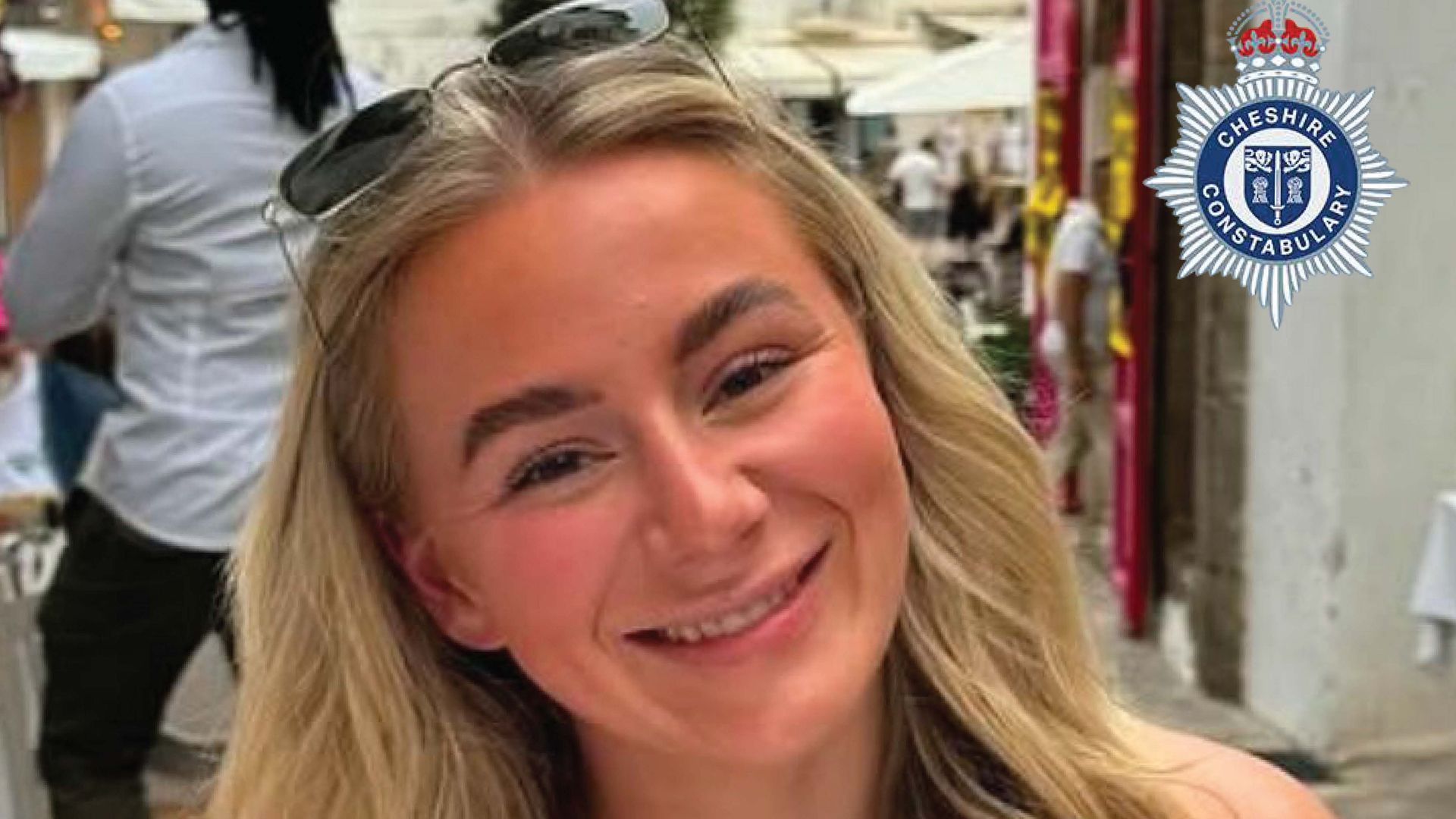
When 23-year-old Lucy Harrison was shot dead inside her father's Texas home, it triggered a cross-border nightmare that still lacks accountability. Her mother, Jane Coates, isn't backing down. After a Texas grand jury declined to indict Kris Harrison, who held the gun that fired the fatal bullet, Coates started a relentless campaign. She is taking her fight directly to political leaders, demanding that authorities look past geographic boundaries to secure a legitimate review of the case.
If you've followed this story, you already know the basic facts. Lucy, from Warrington, Cheshire, was visiting her father in Prosper, Texas, in January 2025. Hours before she was scheduled to fly home to the UK, a sudden gunshot pierced her chest. What followed was an abrupt US police investigation that concluded without charges, contrasting sharply with a UK coroner's later ruling of unlawful killing amounting to gross negligence manslaughter.
The Clash of Legal Systems
Cross-border tragedies expose massive gaps in international justice. When a British citizen dies violently on foreign soil, families quickly realize how little jurisdiction their home country holds.
In Texas, gun laws permit ownership without extensive training or mandatory licenses for home self-defense. Police at the scene noted that Kris Harrison smelled of alcohol, yet officers never administered a breathalyzer test. A Texas ranger explained during the initial inquiry that a firearm only discharges if someone pulls the trigger, but prosecutors ultimately claimed they lacked definitive proof of criminal intent.
Meanwhile, British coroners operate under very different evidentiary standards. Senior Coroner Jacqueline Devonish ruled that pointing a weapon at someone's chest and pulling the trigger constitutes reckless behavior. That stark contradiction sits at the heart of Jane Coates's crusade. She argues that the initial American police work lacked basic professional rigor.
Why Official Channels Move So Slowly
Families fighting international legal battles face systemic hurdles. Governments are naturally hesitant to interfere in foreign judicial processes, citing diplomatic boundaries.
Coates has formally written to UK Foreign Secretary Ed Miliband, urging the government to press US authorities to take a second look. Local politicians have stepped up to support the family in parliament, pointing out that consular support systems often leave grieving relatives feeling isolated.
Getting a foreign jurisdiction to reverse a grand jury decision is steep uphill work. Prosecutors rarely reopen closed files unless fresh, compelling evidence emerges or public pressure forces a structural review of the original police response. Yet, public campaigns create political costs for inaction. By keeping her daughter's name in the headlines, Coates ensures that the authorities cannot simply sweep the procedural missteps under the rug.
What Needs to Happen Next
Holding institutions accountable requires sustained pressure across multiple fronts.
- File formal complaints regarding initial investigative shortcomings directly with oversight boards.
- Leverage domestic political representatives to lobby foreign offices for diplomatic support.
- Utilize public inquest findings to challenge foreign police narratives in the court of public opinion.
The fight for Lucy Harrison highlights the harsh realities families face when tragedy strikes across international borders. Justice shouldn't stop at a state line, and grieving parents shouldn't have to fight two governments just to get a straight answer.
British mother of girl shot by father in Texas calls on PM to ask US authorities to reopen case
This video report details Jane Coates's campaign and her direct appeals to British leadership to push for a reopened investigation in the United States.
http://googleusercontent.com/youtube_content/1