High-profile corporate exits in Silicon Valley usually follow a predictable script. There is a vague mention of spending time with family, a generic quote about exciting future endeavors, and a clean break.
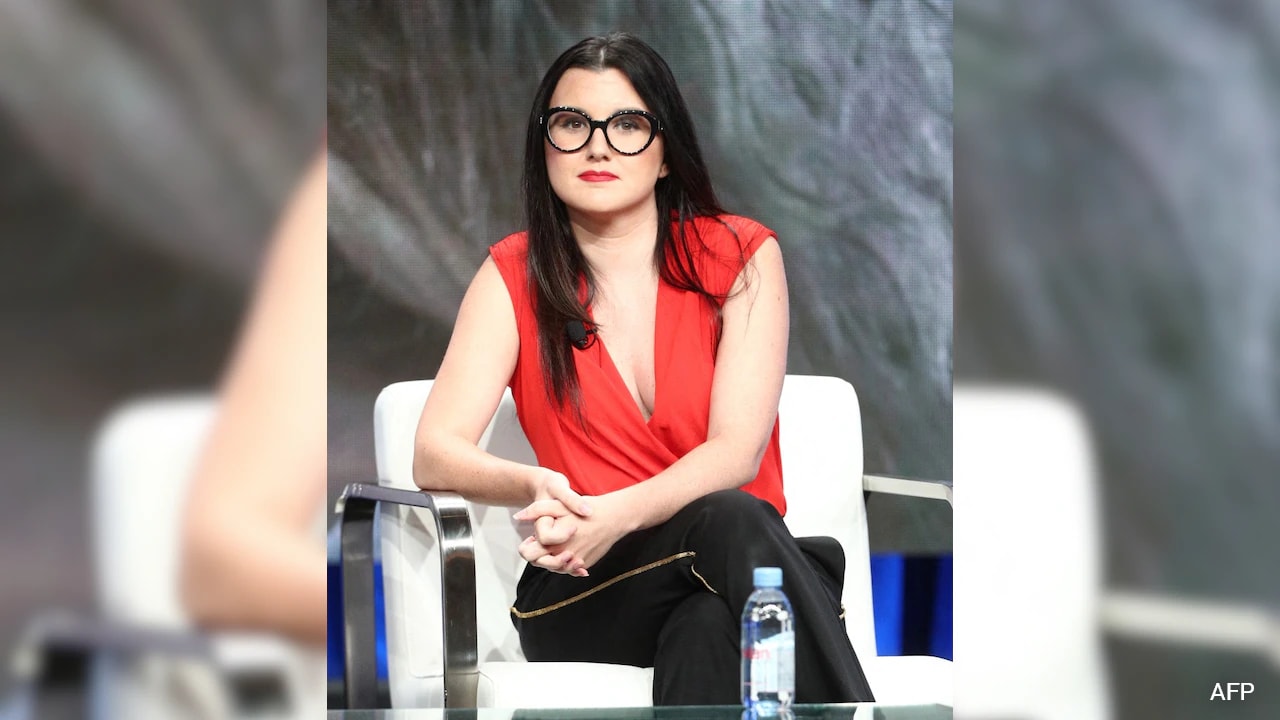
But Fidji Simo just tore up that script.
The high-profile executive announced she is stepping down from her massive full-time role as OpenAI's CEO of AGI Deployment. After a grueling three-month medical leave, she is transitioning into a part-time advisory position. The reason? A severe, debilitating flare-up of Postural Orthostatic Tachycardia Syndrome (POTS), a chronic neuroimmune condition she has battled for seven years.
This isn't just another executive reshuffle at the world's most scrutinized artificial intelligence startup. It is a stark reminder that even the absolute highest tier of career execution cannot out-hustle a complex chronic illness.
The Disconnect Between Building the Future and Managing Disease
Simo joined OpenAI's board in early 2024 before taking the operational reins as CEO of Applications in mid-2025—a role that evolved to oversee the entire product, business, engineering, and corporate operations machine. She came with a legendary tech pedigree, having served as the head of Facebook's core app under Mark Zuckerberg and later leading Instacart through its high-stakes 2023 public offering.
At OpenAI, her mandate was immense: scale traditional corporate functions and drive consumer adoption during a period of breakneck expansion. She even spearheaded initiatives like ChatGPT Health to bridge the gap between AI and medical records.
Yet, behind the scenes, she was fighting her own body. POTS impairs basic autonomic functions, causing severe dizziness, rapid heart rate fluctuations, and extreme fatigue upon standing.
Simo pointed out the jarring irony of spending her days architecting a sci-fi future while simultaneously navigating a disabling disease that lacks a cure. It highlights an uncomfortable truth about tech culture: the system assumes human bodies operate with the same uptime as server stacks.
What Mark Zuckerberg Got Right About the Long Game
In a remarkably candid public post, Simo admitted she ignored warning signs for years. She revealed that two years after her 2019 diagnosis, Meta offered her a full one-year medical leave.
She turned it down instantly.
At the time, Meta Chief Executive Mark Zuckerberg explicitly advised her to slow down and focus on the long game. She didn't listen. Instead, she relied on sheer willpower, powering through massive roles at Instacart and OpenAI before her health collapsed entirely three months ago.
This confession strikes at the heart of toxic productivity culture. Elite performers often treat corporate grit as an infinite resource. Simo noted that many praised her recent decision as courageous, but she confessed the move only happened because she ran out of alternative options.
The Vacuum Left in OpenAI Leadership
Losing Simo on a full-time basis hurts OpenAI at a critical juncture. The company is actively trying to transform from a chaotic research lab into a mature consumer and enterprise infrastructure giant.
While she was away on medical leave, OpenAI President Greg Brockman handled product responsibilities. Now, her previous full-time duties will be distributed across three separate executives. While Sam Altman expressed deep gratitude for her ongoing part-time advisory presence, splitting the leadership of the AGI Deployment pillar means OpenAI must adjust its operational rhythm on the fly.
The move also shifts some focus back to Simo's personal advocacy. She previously co-founded the Metrodora Institute, a medical center focused on advancing research for neuroimmune axis disorders. Her experience has clearly locked in her perspective that curing complex chronic illnesses is the single most valuable objective artificial intelligence can achieve.
Actionable Steps for Professionals Facing Burnout and Chronic Illness
If you're trying to balance an aggressive career trajectory with a chronic health condition or severe burnout, learn from Simo's retrospective advice.
- Audit your physical baseline weekly. Keep track of your physiological warning signs. Do not wait for a catastrophic health crash to force your hand.
- Take the offered leave. If your organization offers structured medical or mental health leave, use it. Your career will not vanish if you take six months to stabilize your health.
- Redefine what long-term impact looks like. Grit and endurance are meaningless if they cause a permanent physical breakdown. True career longevity requires knowing when to pause, shift to advisory roles, or delegate.