History often remembers winners as flawless masterminds, but Ferdinand de Lesseps was anything but standard. He wasn't an engineer. He lacked a technical degree. Yet, he pulled off one of the most audacious infrastructure projects in human history by simply refusing to quit. When you look closely at how the Suez Canal came to life between 1859 and 1869, you realize it wasn't just a triumph of steam and sweat. It was a masterclass in sheer willpower, geopolitical maneuvering, and monumental risk.
The Vision Born in the Desert
The idea of cutting through the Isthmus of Suez to link the Mediterranean and the Red Sea wasn't entirely new. Ancient pharaohs and Napoleon's surveyors had toyed with the concept decades prior, only to abandon it due to perceived engineering nightmares and elevation fears.
Lesseps saw things differently. During his time as a French diplomat in Egypt, where he befriended Said Pasha, he realized the political climate had shifted. He didn't care about the complex math at first. He cared about the map. He saw a straight blue line that could cut thousands of miles off maritime trade routes between Europe and Asia.
People called him crazy. British statesmen actively schemed against him, terrified that French influence in Egypt would threaten their own empire's access to India. But Lesseps ignored the noise. He raised capital by appealing directly to French citizens through public stock subscriptions, bypassing traditional banking roadblocks.
Mud, Steam, and Sweat on the Ground
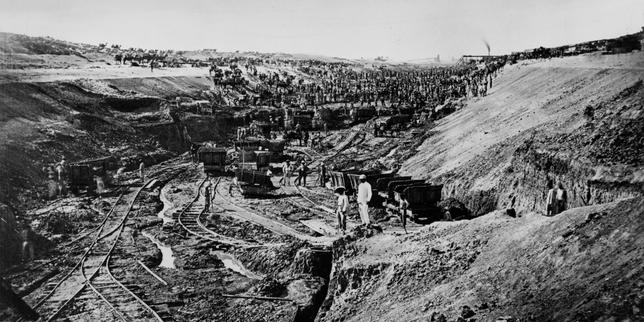
Construction kicked off in April 1859 at Port Said. If you think modern megaprojects face logistical nightmares, look at what these workers faced in the Egyptian desert.
For the first few years, much of the excavation happened by hand using simple baskets and shovels. Thousands of laborers worked under brutal conditions. By 1863, the project shifted gears dramatically. Huge steam-powered dredges and specialized machines arrived on site, altering the landscape forever. Engineers designed massive mechanical excavators with long chutes that could spit mud and sand straight onto the banks.
Without these steam machines, the project would have collapsed under its own weight. It's a clear reminder that grand visions need raw industrial power to survive reality.
Politics and Pressure Points
Building a ditch through the desert is one thing. Keeping global superpowers from crushing your company is another.
The British Empire threw every diplomatic roadblock imaginable at Lesseps. They pressured the Ottoman Sultan and the Egyptian court to restrict forced labor, hoping to starve the project of workers. Did Lesseps fold? No. He mechanized faster. He replaced human labor with heavy machinery, turning a political crisis into an unexpected technological upgrade.
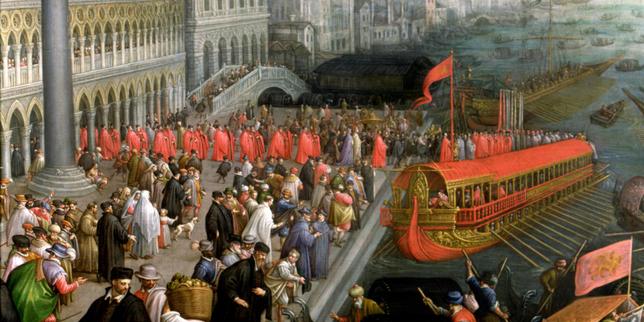
By November 1869, the Mediterranean finally met the Red Sea. Empress Eugénie presided over a lavish inauguration ceremony filled with European royalty. Ships sailed smoothly through the water corridor, forever altering global commerce and geopolitics.
The Human Cost and the Lesson Left Behind
We love celebrating success stories, but we often gloss over the dark side. Thousands of workers died from cholera and exhaustion during the grueling decade of construction. That human toll is a permanent stain on the legacy of the project.
Lesseps himself went on to chase an even bigger dream in Panama, which ended in catastrophic financial ruin and scandal. He tried to apply the sea-level canal formula to a mountainous jungle terrain, ignoring the glaring differences in geography and disease. It teaches us a brutal truth. What works in a flat Egyptian desert fails miserably in a tropical rainforest.
Stop treating historical figures like cardboard cutouts. Lesseps was brilliant, stubborn, and deeply flawed. He proved that massive ambitions require relentless persistence, but he also showed that ignoring practical limits eventually catches up with you.
Take a cue from the grit behind the Suez venture, but always respect the terrain.