Forget Hollywood. The actual history of pirates in the Indian Ocean is far stranger than any movie script, and recent archaeological discoveries on Madagascar are finally proving it.
For centuries, pop culture fed us the same tired tropes: eye patches, wooden legs, and buried chests of gold on remote tropical islands. But if you talk to modern researchers working on the ground, you'll find that the true story is rooted in complex maritime networks, cross-cultural exchanges, and permanent coastal settlements rather than simple pillaging. Right now, on the island of Sainte-Marie off the northeast coast of Madagascar, scientists are unearthing physical evidence that shatters the myth of the lone, lawless sea dog.
The Real Pirate Utopia of Sainte-Marie
Between the late seventeenth and early eighteenth centuries, the sheltered bays of Sainte-Marie served as an ideal operational base for famous figures like William Kidd and Olivier Levasseur. They didn't just drop anchor, drop off stolen loot, and vanish. They built lives.
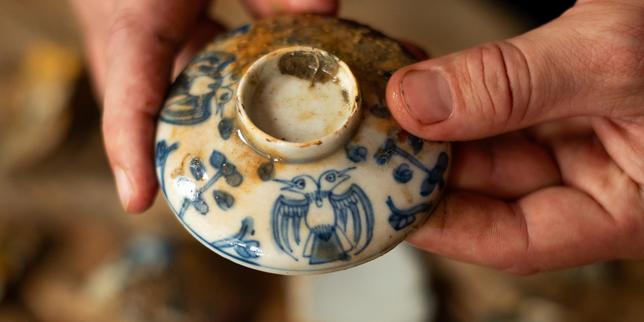
Recent excavations directed by marine and terrestrial archaeologists have focused on sites like Îlot Madame, right in the bay of Ambodifotatra. Instead of finding piles of doubloons or dramatic weapon caches, researchers are recovering everyday items that tell a much more intimate story. We are talking about Chinese porcelain shards from the Kangxi period, local Malagasy ceramics, European stoneware, and qulal bottles from the Middle East.
This mix of artifacts points to a bustling, multicultural community. Pirates traded heavily with local populations, intermarried, and established permanent settlements built with perishable materials like local timber, closely mirroring traditional Malagasy architecture. They weren't hiding out in caves; they were integrating.
Why Modern Science Changes Everything
For a long time, pirate history relied almost entirely on sensationalized contemporary accounts, trial transcripts, and accounts written by men with an axe to grind. It’s easy to write a biased narrative when you're paid to vilify the enemies of the crown.
Archaeology strips away the propaganda. When you dig up stratified soil layers and analyze thousands of artifact fragments, you get hard data on what people actually ate, what goods they valued, and how they organized their daily routines.
Take the underwater investigations happening just meters away from the terrestrial digs. Shipwrecks from the golden age of piracy provide structural details about how these vessels were modified, maintained, and armed. Every recovered cannon, ballast stone, and ceramic fragment adds crucial pieces to a puzzle that written records left incomplete.
Moving Beyond the Myth
If you want to understand why these discoveries matter today, you have to look past the romance of the skull-and-crossbones flag. The real significance lies in how these outposts functioned as early examples of globalized maritime hubs outside the direct control of European empires.
Researchers are mapping out how these men operated in loose confederations, sharing intelligence, repair facilities, and trade routes that stretched from the Red Sea to the East Indies. It was gritty, pragmatic, and remarkably organized.
Stop looking for buried treasure chests. The real wealth is in the dirt, waiting to be cataloged, analyzed, and understood. Support local heritage preservation efforts, read the actual field reports from organizations like Archéologie de la Piraterie, and look past the Hollywood gloss.