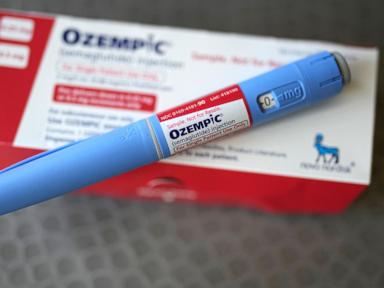
If you take a blockbuster weight-loss or diabetes medication, you need to check the warning label right now. Federal regulators are forcing pharmaceutical companies to add explicit warnings about a rare, permanent form of blindness to every single drug in the glucagon-like peptide-1 receptor agonist class.
The move hits the entire pharmaceutical landscape. It impacts household names like Ozempic, Wegovy, Mounjaro, and Zepbound. Regulators are reacting to mounting data connecting these powerhouse medications to a serious eye condition called non-arteritic anterior ischemic optic neuropathy, or NAION.
You might panic. Don't. Let's look at what the mandate actually means, what the data shows, and whether you should cancel your prescription.
Understanding the Rare Eye Stroke Risk
NAION is basically an eye stroke. It happens when blood flow drops sharply to the optic nerve. Patients lose vision abruptly in one eye. The vision loss is usually painless, and it can become permanent.
It's not a brand-new medical mystery. NAION stands as the second most common optic nerve disease in the United States. It typically affects older adults, especially those with pre-existing risk factors like high blood pressure, diabetes, sleep apnea, or smoking habits.
So why are regulators stepping in now?
Researchers started noticing worrisome patterns. A prominent study published in JAMA Ophthalmology flagged a potential statistical connection between semaglutide and higher rates of NAION in certain patient cohorts. Regulators spent months reviewing postmarketing reports, safety databases, and real-world data across the entire medication class.
The verdict? While the absolute risk remains very low, regulators determined that patients deserve explicit disclosure on the warning label.
Which Medications Carry the New Label Requirement?
This is a class-wide crackdown. It's not limited to a single brand or manufacturer.
The requirement hits all GLP-1 receptor agonist products. This covers:
- Semaglutide formulations, including Ozempic and Wegovy.
- Tirzepatide formulations, including Mounjaro and Zepbound.
- Older and newer iterations of daily or weekly injections designed to regulate blood sugar and suppress appetite.
Drugmakers must update their safety information under the warnings and precautions sections. When you pick up your next box at the pharmacy, expect new documentation outlining the optic nerve hazard.
Why Proving Causation is Complicated
Medicine is rarely black and white. Establishing a direct causal link between these medications and NAION presents a massive challenge for researchers.
Consider the overlap. The exact people prescribed GLP-1 drugs for type 2 diabetes or severe obesity already share the primary risk factors for NAION. Diabetes and high blood pressure damage blood vessels throughout the body, including the tiny vessels feeding the optic nerve.
Animal studies haven't found a biological mechanism showing that these drugs directly harm optic nerve tissue. Furthermore, real-world comparative studies yield mixed results depending on the patient group examined.
Yet, regulatory bodies operate on precautionary principles. When postmarketing surveillance flags recurring reports of a devastating outcome like permanent vision loss, regulators mandate transparent warnings so patients can make informed choices with their physicians.
Warning Signs Every Patient Should Know
If you take a weekly injection, you shouldn't live in fear, but you should stay vigilant. Recognizing early symptoms can make a massive difference.
Watch out for these warning signs:
- Sudden, painless loss of vision in one eye, often noticed right upon waking up.
- Blurred or hazy spots in your central field of vision.
- Dark, gray, or missing portions in your peripheral vision.
- Sudden trouble distinguishing colors clearly.
If any of these symptoms hit you, don't wait for your next routine checkup. Contact an eye specialist or head to urgent care immediately.
Should You Stop Taking Your Medication?
Panic is your worst enemy here. Millions of people take these drugs safely, experiencing massive reductions in cardiovascular events, stroke risk, and diabetes complications.
For the vast majority of patients, the massive health benefits of managing obesity and blood sugar vastly outweigh the minuscule statistical risk of an eye stroke. NAION is categorized as a very rare event.
If you've previously experienced a NAION episode in one eye, your risk of developing it in the other eye is inherently higher. In that specific scenario, sit down with your doctor and weigh whether continuing the medication makes sense.
Otherwise, throwing away your prescription over a newly labeled rare side effect is a bad move. Talk to your healthcare provider, understand your personal risk profile, and keep your eyes wide open to changes in your vision.