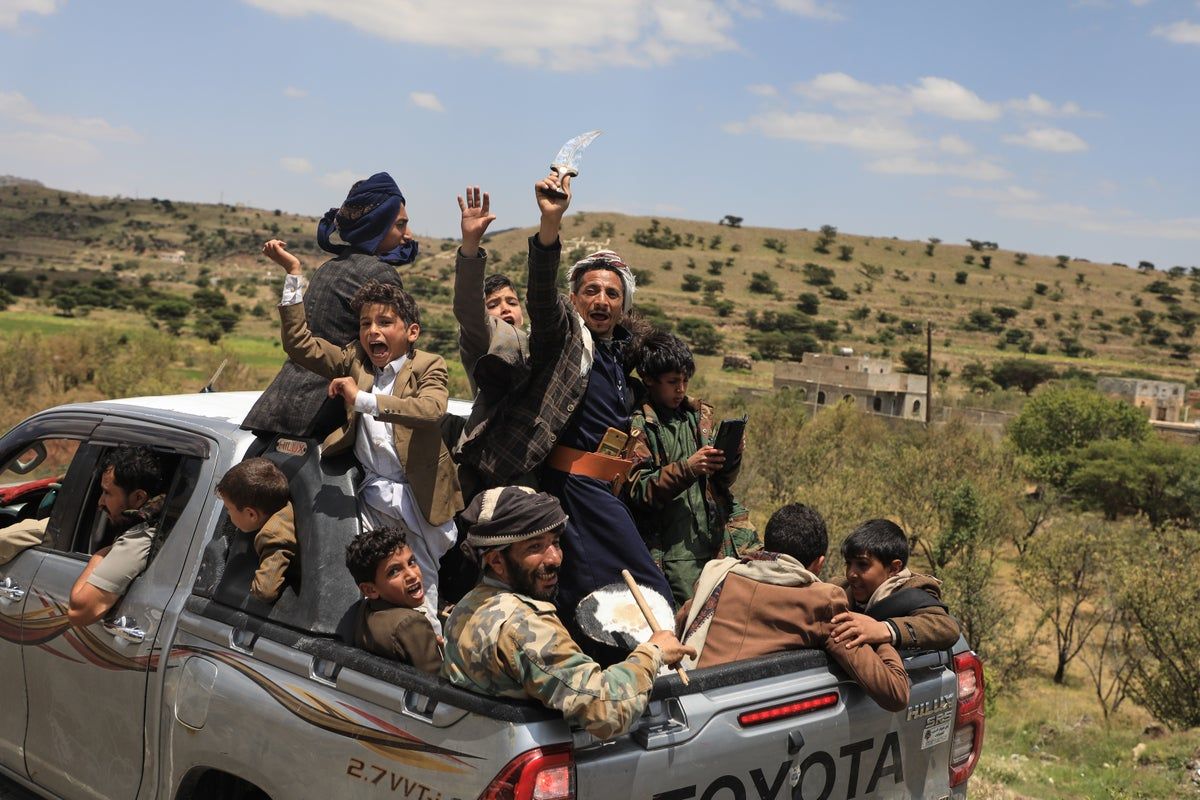
Control over maritime choke points dictates global trade stability overnight. When the Iran-backed Houthi movement seized the historic port city of Mocha on September 10, 2026, they didn't just capture another stretch of Yemeni coastline. They tightened an iron grip on the Bab al-Mandeb Strait, sending immediate shockwaves through international energy markets and regional capitals.
If you think this is just a localized conflict confined to Yemen’s borders, you're missing the bigger picture. Global shipping and oil transit rely heavily on this narrow corridor. Here is what's really happening on the ground and why international powers are scrambling to respond.
The Strategic Importance of Mocha
Mocha isn't just famous for coffee; it sits roughly 80 kilometers from the Bab al-Mandeb Strait. This waterway connects the Red Sea to the Gulf of Aden, serving as a vital artery for cargo moving between Asia, Europe, and the Middle East via the Suez Canal.
When regional tensions heavily restricted traffic through the Strait of Hormuz, Saudi Arabia began rerouting critical oil shipments through its East-West Pipeline to Red Sea ports like Yanbu. The capture of Mocha threatens that exact alternative route.
The Houthi advance ruptured the fragile calm that had largely held since the 2022 UN-brokered truce. Government forces collapsed swiftly along the west coast. Senior officials in Yemen’s Presidential Leadership Council labeled the retreat painful and regrettable, noting that troops are regrouping to fight back. Meanwhile, tens of thousands of civilians have fled southward toward Aden, fearing a return to full-scale civil war.
What Most People Get Wrong About Houthi Capabilities
Many analysts mistakenly view the Houthis as disorganized mountain fighters reacting impulsively. That narrative falls apart when you look at recent coordination. The rapid sweep down Yemen's west coast, combined with simultaneous drone and missile strikes targeting military and energy infrastructure in southern Saudi Arabia, points to sophisticated operational planning.
Experts like Farea al-Muslimi from Chatham House point out that these territorial gains provide Iran with powerful leverage in broader negotiations with Western powers. The Houthis aren't just securing local turf; they are reshaping the balance of power across the Middle East.
Key Factors Driving the Escalation
- The Bab al-Mandeb Choke Point: Controlling Mocha and nearby islands gives militant forces direct positioning to influence or restrict commercial shipping.
- Rerouted Oil Supply Vulnerability: With Hormuz heavily constrained, Saudi energy exports traveling via the Red Sea are now directly exposed to Houthi projectiles and naval pressure.
- Regional Spillover: Drone attacks hitting Saudi infrastructure and military bases in regions like Sharurah prove the conflict has expanded far beyond Yemen's borders.
What Happens Next for Global Trade
International maritime agencies and insurance providers are already recalculating risk premiums for vessels transiting the southern Red Sea. With traffic through the Bab al-Mandeb already seeing massive reductions since late 2023, this latest escalation threatens to permanently alter international supply chain routes.
Governments are urging immediate diplomatic intervention to prevent the waterway from becoming entirely impassable. But with military forces actively regrouping on both sides and regional powers trading blame, a quick resolution remains unlikely. Keep a close eye on insurance rates and shipping schedules if your business depends on Asian-European trade lanes, because the disruption is already underway.
Houthis Seize Yemen's Strategic Mokha Port, Move Closer To Bab
This video provides an overview of the Houthi forces seizing the strategic port city of Mokha and the direct implications for shipping lanes near the Bab al-Mandeb Strait.