What happens when a temporary emergency measure quietly becomes a permanent fixture of daily life? Ask anyone living in Washington, D.C. right now, and they will tell you.
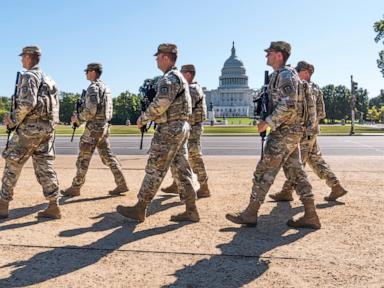
It has been a full year since the federal government launched a high-profile law enforcement surge, putting armed National Guard troops on street corners, outside tourist landmarks, and near residential blocks. What was sold to the public as a short-term fix to combat local crime has now been stretched through January 2029. That timeline means troops will occupy the nation's capital for the remainder of the presidential term. For a different perspective, check out: this related article.
Locals are furious. Local politicians are boxed in. And taxpayers are left footing a massive bill that keeps climbing.
The Real Cost of a Militarized Capital
Let's talk numbers because the financial reality is staggering. According to estimates provided to Congress by the Department of Defense, keeping an average of 2,500 National Guard members stationed in Washington through January 2029 will cost roughly 1.4 billion dollars. Further insight regarding this has been provided by The Washington Post.
Critics like Senator Elizabeth Warren haven't held back, pointing out that spending billions on a domestic troop deployment feels absurd while ordinary families struggle with everyday inflation. On the other side, administration officials defend the expense. They argue the mission is working, pointing to over 13,000 arrests made by the U.S. attorney's office and overall crime statistics showing downward trends.
Yet, data parsing is where things get messy. Metropolitan Police Department figures show overall crime dropping, including a significant decrease in homicides. Independent researchers and local watchdogs point out that crime was already falling before the troops ever arrived. Furthermore, a report from the D.C. Office of the Inspector General revealed systemic issues in how the local police department classified crimes, casting doubt on whether anyone has a completely accurate picture of public safety trends.
The Battle Over Local Autonomy
If you don't live in a major city under federal oversight, it's easy to miss why this deployment cuts so deep. This isn't just about public safety. It is a direct assault on local self-governance.
Washington operates under a unique framework of home rule. That very structure made it simple for the White House to bypass local leaders and impose a federal military footprint. City council members and civil rights organizations like the ACLU view the extended presence as an attempt to turn a heavily Democratic city into a heavily policed zone.
Scott Michelman, legal director of the ACLU of D.C., summed up the frustration bluntly: treating the capital like a police state creates a deep irony in the heart of the free world.
Meanwhile, residents walk past armed service members near the Tidal Basin, outside government buildings, and in quiet neighborhoods like Georgetown where violent crime is historically rare. Some residents appreciate the extra hands helping with snow removal or medical emergencies. Many others feel demoralized, watching their neighborhood streets turn into a permanent political chessboard.
What Comes Next
The upcoming midterms and the path toward the 2028 election will act as a referendum on this unprecedented deployment. Newly emerging political candidates are centering their platforms on fighting back, demanding statehood, and restoring full autonomy to the district.
However, local leaders face severe limitations. Court challenges filed against similar urban deployments have moved slowly, leaving few legal tools on the table to force the troops out.
When temporary measures stretch across years, they stop being emergencies and start becoming the new normal. For Washington, the fight to reclaim its streets has only just begun.