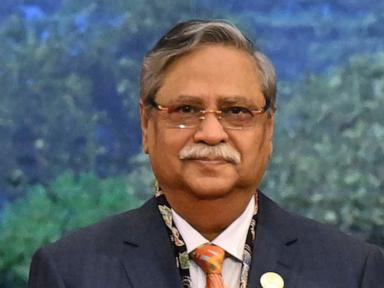
The last remnant of Sheikh Hasina's governing apparatus in Dhaka just walked out the door.
On July 24, 2026, Bangladesh President Mohammed Shahabuddin submitted his official resignation letter to Parliament Speaker Hafiz Uddin Ahmed. Officially, the 76-year-old head of state cited severe health issues. In his statement, Shahabuddin pointed directly to a recent diagnosis of autonomic neuropathy—a nerve disorder causing sudden, brief losses of consciousness—on top of existing heart condition, high blood pressure, diabetes, and kidney problems.
He stated plainly that he was physically incapable of carrying out his constitutional responsibilities.
Nobody in Dhaka politics believes health is the whole story.
Shahabuddin's exit represents the final cleanup of the old regime. For two full years following the violent July-August 2024 student revolution that ousted former Prime Minister Sheikh Hasina, Shahabuddin sat in Bangabhaban as the sole remaining constitutional official tied to her Awami League administration. Now, with his departure, Hasina's political footprint in the upper echelons of the state has been erased completely.
If you've been following South Asian politics, you know this shift was long overdue, but the timing is what makes it dramatic.
Health Diagnoses and Political Realities
It is true that Shahabuddin has fought poor health for months. A former lower court judge and veteran of the 1971 Liberation War, the man widely known as "Chuppu" took office in April 2023. He was elected unopposed by a parliament dominated entirely by Hasina's party.
When street protests brought down Hasina's government on August 5, 2024, forcing her to flee across the border to India, almost every high-ranking official linked to her regime either fled, went into hiding, or was ousted. Shahabuddin survived. He stayed on to administer oaths, manage the constitution during the 18-month interim government led by Nobel laureate Muhammad Yunus, and oversee the general elections that eventually brought Prime Minister Tarique Rahman's government into power.
Holding on to power while surrounded by political opponents is exhausting work. Shahabuddin admitted publicly months ago that he felt isolated and humiliated during the transitional period. His portraits were stripped from Bangladeshi embassies abroad. The interim authorities treated him with visible skepticism.
Yet, the actual boiling point came down to rumors of contact.
Rumors began circulating across Dhaka that Shahabuddin had been speaking directly with Hasina while receiving medical care in London. While Shahabuddin called those allegations completely baseless during a sit-down interview with local news outlets just hours before quitting, the damage was already done. Prime Minister Tarique Rahman's administration made it clear they could not tolerate a head of state with lingering personal loyalties to an ousted leader living in exile.
The Shadow of Sheikh Hasina's Return
You can't understand this resignation without looking at what Sheikh Hasina is doing right now in India.
Just days before Shahabuddin handed in his letter, Hasina dropped a political bombshell. She announced plans to return to Bangladesh by December 2026 and surrender to local courts. That announcement sent shockwaves through Dhaka's political establishment.
Hasina isn't just a former prime minister. The International Crimes Tribunal in Bangladesh sentenced her to death in absentia for her role in the lethal crackdown on student protesters in 2024. Her party, the Awami League, is currently banned from political activity. Dozens of her former ministers are behind bars.
The prospect of Hasina returning forced Rahman's government to seal off any potential inside support she might count on.
As president, Shahabuddin served as commander-in-chief of the armed forces. Even though the Bangladeshi presidency is a largely ceremonial post with actual executive power sitting in the cabinet, having a former ally sitting on top of the military apparatus while Hasina prepares a dramatic return created an unacceptable security risk for the ruling party.
The government pressured him to step aside. Shahabuddin read the writing on the wall and chose to leave citing his medical condition.
What the Constitution Says Happens Next
Under Article 54 of the Bangladesh Constitution, when a president resigns, dies, or becomes unable to fulfill their duties, the Speaker of the Parliament immediately steps into the role of Acting President.
Parliament Speaker Hafiz Uddin Ahmed had to cut his own medical trip to Bangkok short, flying straight back to Dhaka to accept the resignation and take over constitutional duties. Ahmed will serve as Acting President until parliament convenes to vote on a permanent replacement.
Here is how the transition breaks down:
- Immediate Custody of Office: Speaker Hafiz Uddin Ahmed assumes all executive presidential duties, including military oversight roles.
- Parliamentary Vote: The current parliament, led by the Bangladesh Nationalist Party (BNP), will nominate and elect a new candidate to finish or restart the five-year term.
- Legal Protections Removed: With Shahabuddin out of office, any official constitutional immunity he held as sitting president vanishes.
This transition marks a total reset. For the first time since the 2024 revolution, every single constitutional pillar—from the judiciary and parliament to the executive branch and presidency—is fully controlled by the post-revolution political apparatus.
Why Media Outlets Miss the Big Picture
When major wire services cover events in Bangladesh, they usually treat presidential resignations as minor administrative reshuffles because the office is ceremonial. That misses the point entirely.
In South Asia, neutral or friendly figures in ceremonial positions often hold critical leverage during political crises. During the chaotic weeks of August 2024, Shahabuddin was the only person with the legal authority to dissolve parliament, swear in an interim cabinet, and maintain international diplomatic continuity. Had he refused to sign key decrees back then, the country could have spiraled into complete administrative paralysis or direct military rule.
By staying in office through the 18-month interim period, he acted as a bridge. But bridges get demolished once the other side is reached.
Now that Rahman's elected government is firmly established, keeping a figure who was picked by the Awami League created friction. The government wanted its own trusted person in Bangabhaban before Hasina's expected return in December. Shahabuddin's exit wasn't an unexpected emergency; it was the final step in a political cleanup that began two years ago.
What You Should Watch Next
If you are tracking regional politics, security, or trade in South Asia, keep your eye on three specific developments over the coming weeks:
- The Nomination of the Next President: Watch who the ruling BNP nominates. If they pick a hardline party loyalist, expect opposition groups to criticize the move. If they pick an independent legal scholar or civil society figure, it signals an effort to calm domestic tensions.
- Hasina's December Return Strategy: Without a friendly voice in the presidential residence, Hasina loses any potential leverage for a presidential pardon or executive intervention. Her legal team will have to fight her convictions directly in court without any political safety net.
- Bilateral Ties with India: India hosted Hasina after her exile and maintained quiet lines of communication through neutral diplomatic offices. Shahabuddin's departure consolidates power under a administration that has historically held a much more cautious view of New Delhi, which could alter regional diplomatic dynamics.
The transition process in Dhaka is moving fast. Follow official parliamentary announcements regarding the presidential vote schedule and monitor public statements from Speaker Hafiz Uddin Ahmed as he takes charge of Bangabhaban.