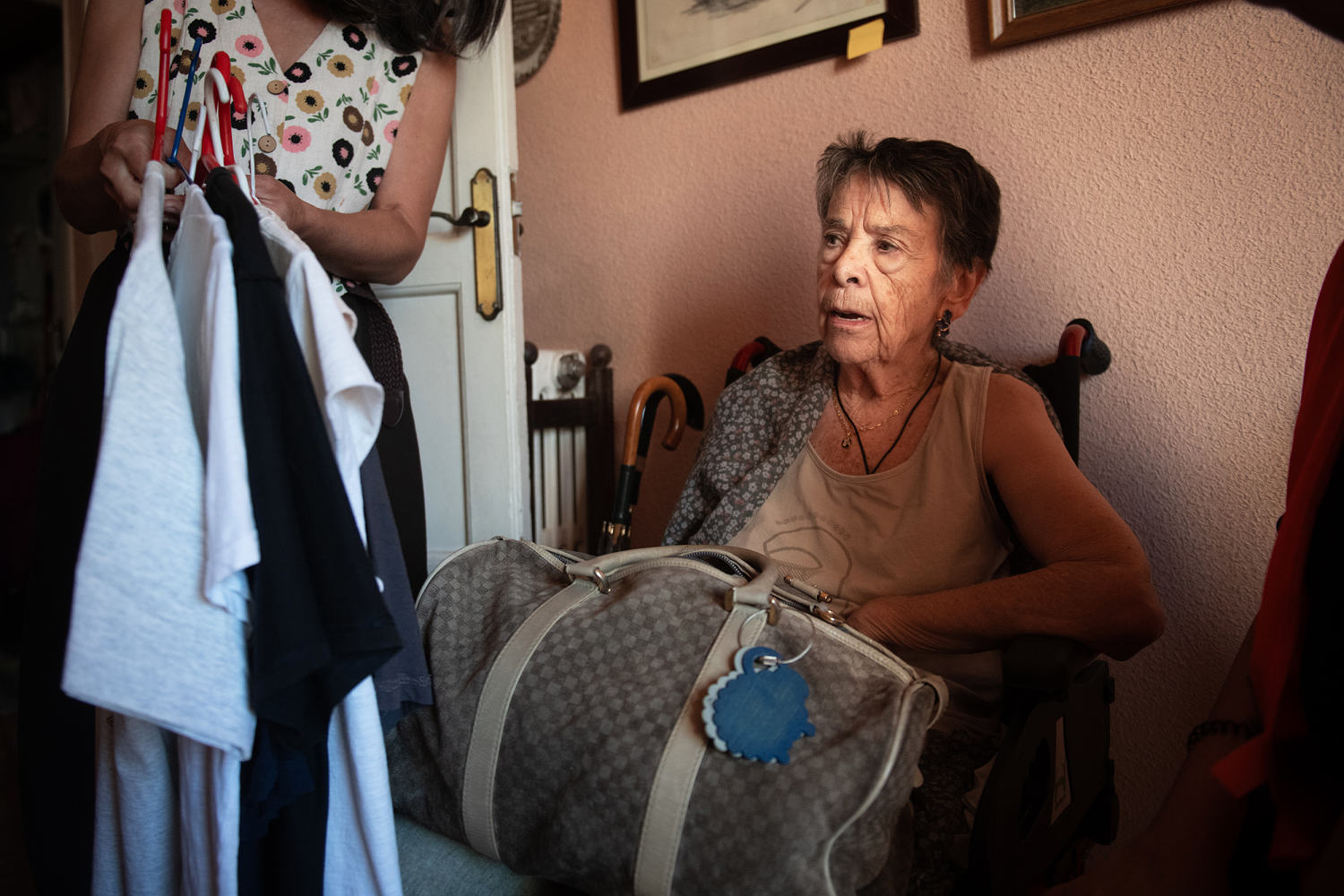
When riot police carry an 87-year-old disabled woman out of her home on a stretcher while hundreds scream outside, something in a country has broken. That is exactly what happened on a Wednesday morning in Madrid's upscale Retiro district. Maricarmen Abascal had lived in her apartment on Alcalde Sainz de Baranda Street for over seven decades. Her family originally secured the flat back in 1956 under a traditional regulated tenancy agreement known as renta antigua. She grew up there, built her entire life around those walls, and expected to live out her remaining years in peace.
Instead, she was given just thirty minutes to pack her belongings, load them into bags, and leave.
If you want to understand why housing costs and property investment funds have become a massive political powder keg across Spain, you don't need a heavy economic textbook. You just need to look at what happened to Maricarmen. Her story exposes the brutal collision between old-school tenant rights, modern real estate speculation, and a housing market that's spiraling entirely out of control.
How a 70 Year Lease Collided With Modern Real Estate
Maricarmen's long-term tenancy relied on historical legal frameworks that offered strong protections to older generations. For decades, she paid around €500 per month. That system worked fine until real estate company Urbagestión Desarrollo e Inversión acquired the building in 2018.
Private investment firms operate to maximize returns. Old regulated leases that yield low rents in prime city locations don't fit that business model. Urbagestión launched legal challenges to dismantle Maricarmen's tenancy. By March, Spain's Supreme Court ruled against her, clearing the path for the property owner to recover possession.
The company moved to spike her monthly rent from €500 to a staggering €2,650, which was later adjusted to €1,650. Even with that reduction, the math simply didn't work. Maricarmen relied on a monthly pension of €1,350.
Asking an elderly pensioner with a recognised disability to suddenly pay rent higher than her entire monthly income isn't a rental adjustment. It's an eviction notice dressed up as a contract negotiation.
The Breaking Point on the Streets of Madrid
When word got out that the eviction was locked in for September, the public reaction was ferocious. Hundreds of demonstrators flooded the street outside her apartment building. They formed human blockades, chanted slogans calling the company murderers, and demanded authorities intervene.
Even as public pressure mounted, the situation hit a brick wall of corporate inflexibility and legal rigidity. A well-known Spanish writer stepped forward with a last-minute offer to personally finance the difference between Maricarmen's rent and what the property firm demanded. Her legal team requested a simple extension of a few weeks to handle the transition humanely.
Urbagestión refused. They wanted the flat back, and they wanted it immediately.
Police cleared the protesters, entered the property, and escorted Maricarmen out on a stretcher because of her mobility issues. She was taken by ambulance to a hospital while the crowd watched in disbelief.
A National Crisis With No Easy Fix
This isn't an isolated tragedy. It’s a symptom of a much deeper illness plaguing Spain's urban centers. Rents in Madrid and Barcelona have skyrocketed, squeezing out locals, destroying communities, and turning basic housing into a luxury asset class.
Politicians from across the spectrum rushed to capitalize on the public outrage. Prime Minister Pedro Sánchez labeled the situation a social tragedy at the United Nations General Assembly, while left-wing ministers blamed conservative regional authorities. Critics on the other side pointed out that national lawmakers have spent years failing to pass effective housing reforms that actually fix the root causes of the supply crunch.
Meanwhile, municipal councils defended their actions by claiming they offered alternative housing options that Maricarmen rejected in favor of moving in with relatives. But pointing fingers after an elderly woman is hauled out of her home on a stretcher doesn't solve the underlying disease.
What Needs to Change Right Now
If you are watching the housing market squeeze tenants across Europe, the lessons from Maricarmen's case are brutal and clear:
- Check historical lease terms immediately: If you or an older relative live under older protected rental frameworks, audit your legal status before building ownership changes hands. Once a corporate buyer steps in, grace periods vanish.
- Watch out for aggressive corporate buyouts: Investment firms buying older residential blocks often use targeted legal strategies to clear out legacy tenants. Know your local tenant union contacts and legal aid resources before disputes escalate to court.
- Push for enforceable safety nets: Relying on last-minute private donations or chaotic street protests to stop evictions is a failing strategy. Cities need ironclad municipal safety nets that protect vulnerable, disabled, and elderly tenants from being thrown onto the street when buildings change hands.
Maricarmen is safe with her relatives now, but the system that evicted her remains completely broken. Stop waiting for politicians to fix a housing market that rewards speculation over human lives. Know your rights, support local tenant advocacy groups, and protect your community before the bulldozers arrive at your door.
This video provides on-the-ground footage of the protests outside the apartment building during the historic eviction in Madrid.