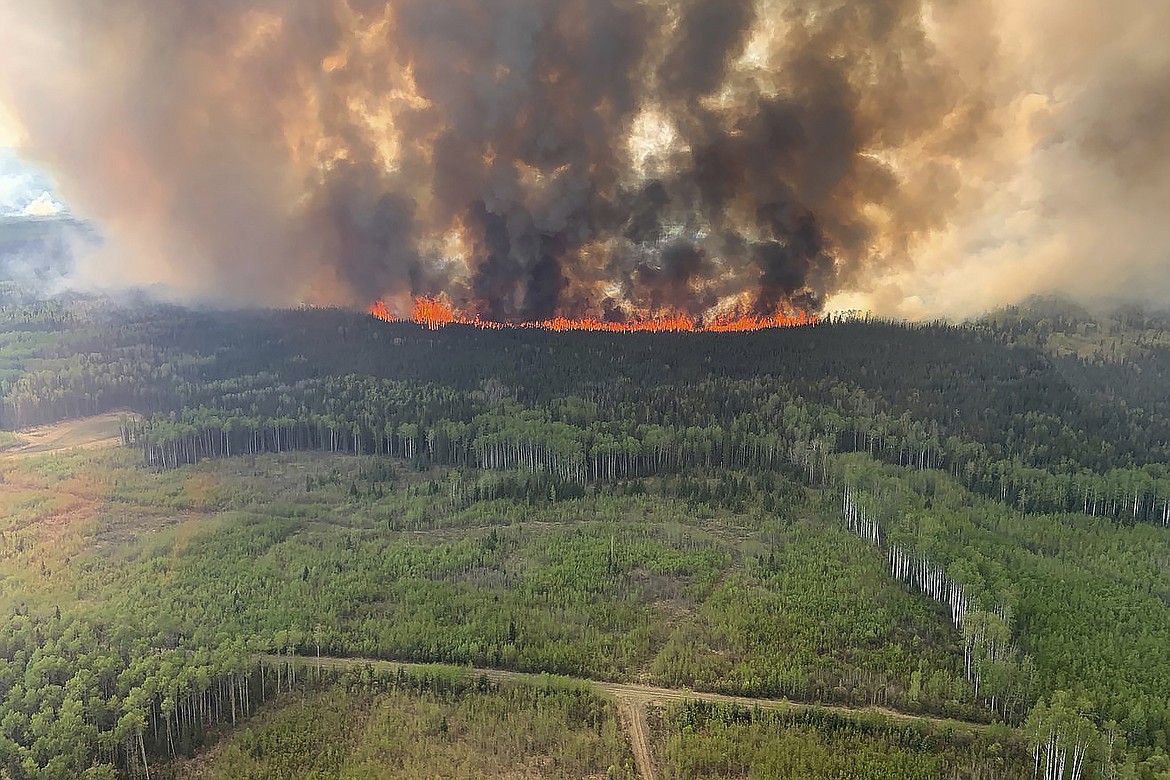
We need to talk about what just happened in Europe. It isn't just about record-breaking thermometers or melting asphalt. It's about a quiet, invisible disaster that wiped out thousands of lives in less than seven days.
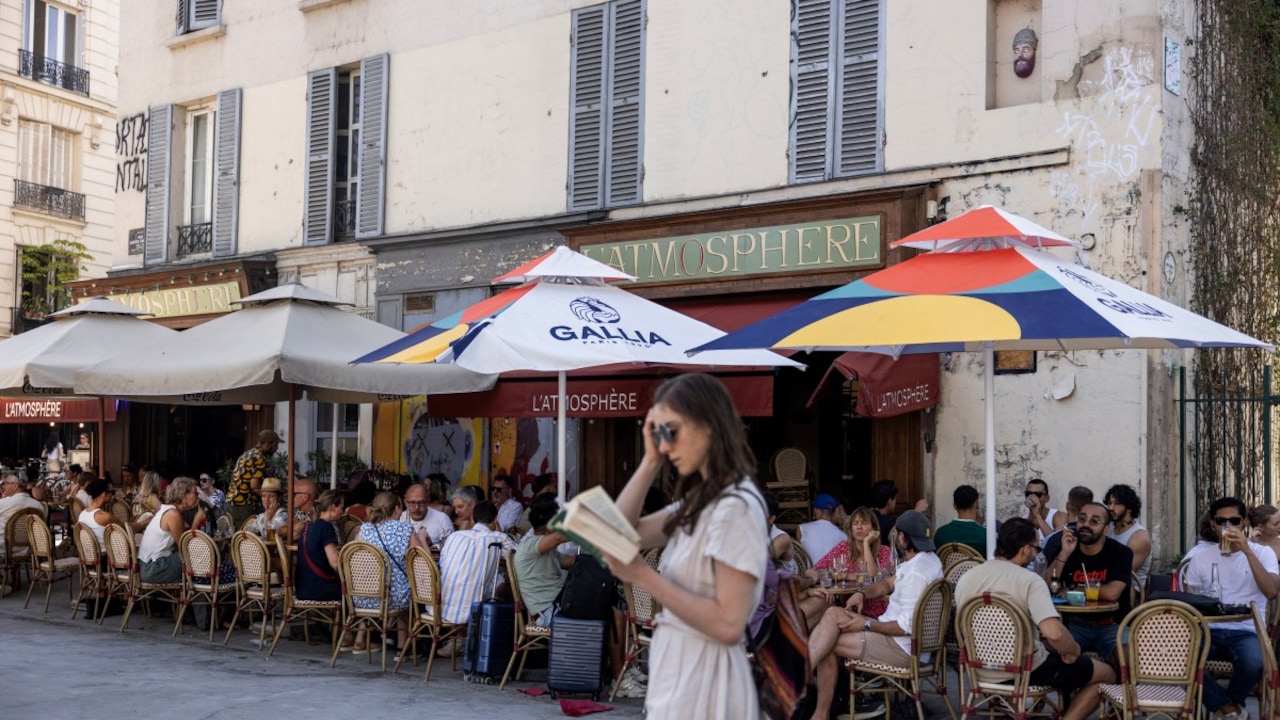
When the heat hit the western part of the continent in late June, news broadcasts showed tourists splashing in fountains and locals eating gelato. But behind those postcard images, a tragedy was unfolding inside poorly ventilated apartments and nursing homes. New official data proves exactly how bad it got. European nations saw a massive spike of 10,650 excess deaths during the single week of June 22 to 28.
That isn't a statistical glitch. It's a wake-up call. Most news outlets report these events as freak weather incidents. They aren't. They're predictable structural failures, and we're entirely unprepared for what comes next.
The True Human Cost of a Single Blistering Week
If you want to understand how dangerous this is, look at the numbers compiled by EuroMOMO. This network tracks mortality statistics across 27 European countries and is backed by the World Health Organization and the European Centre for Disease Prevention and Control. Their findings are grim.
During that final week of June, the death toll soared past normal averages. To put that into perspective, over the previous two months, combined mortality in these same countries actually hovered around 500 deaths per week below typical levels. Then the heat hit, and the chart spiked straight up.
Lasse Vestergaard, a chief physician at Denmark’s Statens Serum Institut, pointed out that having this kind of sudden surge in early summer is incredibly unusual. There weren't any major flu outbreaks. There wasn't a sudden resurgence of COVID-19. The only variable that changed was the temperature.
The brunt of this crisis fell on a specific group. More than 9,000 of those victims were individuals aged 65 and older. France and Belgium saw the most intense spikes, with Belgium logging its worst heat-related death toll since the year 2000.
Across the English Channel, the story was identical. A joint study from Imperial College London, the UK Met Office, and the London School of Hygiene & Tropical Medicine looked at the broader May and June period. They estimated that 2,700 people died from heat-related causes in England and Wales alone. The researchers concluded that global warming directly caused 42% of those British deaths. The extra greenhouse gases we've pumped into the air turned a hot summer week into a death sentence.
Why Extreme Heat is Quietly Killing the Vulnerable
People rarely die of pure heatstroke during these events. That's a common misconception. When someone passes away during a heatwave, their death certificate usually lists heart failure, a stroke, or chronic obstructive pulmonary disease.
The human body is an engine that needs to maintain a strict internal temperature around 37 degrees Celsius. When the air around you stays above 35 degrees, your body has to work twice as hard to cool down. It does this by pumping blood to your skin and sweating.
For a healthy 25-year-old, that process is annoying. For a 78-year-old with a weak heart, it's exhausting. The heart has to beat faster and pump much harder to push blood to the surface. Eventually, it fails. Dehydration makes the blood thicker, which increases the risk of clots and strokes. If you have asthma or lung issues, the stagnant, hot air traps pollutants close to the ground, making every breath a battle.
Older adults also lose their ability to sense thirst accurately. They don't realize they're dehydrating until it's too late. Many medications, like diuretics for blood pressure, make dehydration happen even faster. When you mix these biological vulnerabilities with the way European infrastructure is built, you get a recipe for catastrophe.
How Concrete and Asphalt Turn European Cities into Traps
We love to praise European architecture. The stone buildings, the dense city layouts, the historic apartments. But these historic gems are fundamentally dangerous in a warming world.
For centuries, European builders faced one main challenge: keeping people warm during long, freezing winters. They built thick stone walls, installed heavy insulation, and designed buildings to trap heat. Air conditioning was seen as an American luxury that nobody needed.
Now, those same buildings act like ovens. During the late June heatwave, daytime temperatures smashed records, but the real danger happened at night. In a normal climate cycle, the air cools down after dark, giving the human body a chance to recover. But in dense cities like Paris, Madrid, or Brussels, the concrete, brick, and asphalt absorb the scorching solar energy all day. At night, they radiate that trapped heat back into the environment.
This creates an urban heat island. The city center stays several degrees hotter than the surrounding countryside. If your apartment doesn't cool down below 25 degrees at night, your cardiovascular system never gets a break. It stays under constant stress for days at a time. After three or four sleepless, sweaty nights, vulnerable bodies simply give out.
The Broken Infrastructure Making Heat Waves Worse
This isn't just a weather problem. It's an engineering failure. Our current infrastructure was built for a climate that doesn't exist anymore.
During the peak days of the June heatwave, power grids groaned under the sudden spike in electricity demand. Even though air conditioning isn't universal, enough people plugged in fans and cooling units to strain regional networks. In France, officials had to temporarily shut down three nuclear reactors. Why? Because the rivers used to cool the power stations had grown too warm. Discharging even hotter water back into the rivers would have decimated local fish populations and wrecked the aquatic ecosystem. Think about that irony. The very systems we rely on for power can't function properly because the planet is too hot.
Trains were delayed or canceled across the continent because steel tracks warped under the sun. Schools closed down because classrooms turned into sweatboxes where children couldn't concentrate.
We keep treating these events as temporary disruptions. We expect things to go back to normal once the cold front arrives. But this is the new normal. If a single week of high temperatures can paralyze public transit, threaten the energy grid, and kill over 10,000 people, our systems are fundamentally broken.
What Needs to Change Before Next Summer
We can't just tell people to drink more water and stay indoors. We need aggressive, systemic changes to protect our communities before the next heat wave hits.
First, we must change how we design our living spaces. Cities need to plant millions of trees to create natural canopies that lower street-level temperatures. We need to replace dark asphalt roofs with reflective white materials that bounce sunlight away.
Second, we have to rethink vulnerability tracking. Public health agencies shouldn't just wait for people to show up at the emergency room. We need community check-in networks. During a heatwave, local volunteers or postal workers should physically knock on the doors of isolated seniors to ensure they have water, operational fans, and cool air.
Third, we have to adapt our homes. Retrofitting old European apartments with energy-efficient heat pumps can provide both winter heating and summer cooling without blowing up our carbon footprint.
Don't wait for your local government to act. If you have elderly neighbors, check on them when the temperature spikes. Make sure they're actually drinking fluids and keeping their windows covered during the sunniest parts of the day. Buy them a heavy-duty fan if they don't have one. These small, direct actions don't solve global warming, but they keep people alive while we figure out the bigger picture. The data from June proves that the cost of doing nothing is far too high.