Most people spend thousands of dollars chasing massive lifestyle changes, like dropping a fortune on a luxury mattress or remodeling a kitchen, while ignoring the small friction points they encounter fifty times a day. You wake up on itchy bedsheets, brew coffee while staring at a cluttered countertop, sit on a dining chair that destroys your lower back for eight hours, and wonder why you feel drained by 3 p.m.
The secret to improving daily life isn't buying multi-thousand-dollar status symbols. It's fixing the tiny annoyances you tolerate every single day.
Spending under $200 on targeted everyday upgrades delivers a massive return on investment. When you evaluate spending through a "cost-per-use" lens, an item you touch every morning or sleep on every night pays for itself within weeks. Here are six high-impact upgrades under $200 that deliver genuine long-term value, grounded in practical testing and real-world testing.
High Thread Count Sheets Aren't What You Think They Are
The bedding industry spent decades convincing consumers that higher thread counts mean better sleep. That was mostly marketing fluff created by manufacturers who twisted multi-ply threads together to artificially inflate numbers on the packaging. Real luxury bedsheets come down to fiber type and breathability, not a bloated number on a box.
Upgrading to 100% TENCEL Lyocell or long-staple organic cotton under the $150 to $180 price mark completely changes sleep quality, especially if you run hot at night. TENCEL fibers are harvested from sustainably sourced eucalyptus wood pulp and woven into a fabric that feels naturally silky and cool to the touch.
"Thread count is largely a gimmick once you pass 400. Focus on the raw fiber—long-staple cotton, TENCEL, or linen—because that dictates airflow and durability over years of washing."
When you swap out scratchy polyester microfiber sheets for moisture-wicking TENCEL or breathable long-staple cotton, your core body temperature drops faster at night. Sleep scientists have repeatedly pointed out that a drop in core temperature is a mandatory physical trigger for deep, restorative slow-wave sleep. If you're tossing and turning because your bedding traps heat, spending $160 on a dedicated temperature-regulating sheet set from brands like Casper or Quince gives you a noticeably better sleep than a $2,000 mattress topper ever could.
Stop Cooking on Flaking Teflon Pans
If you're still frying eggs on a scratched-up, non-stick pan you bought during college, you're ruining your meals and likely eating tiny bits of degraded PTFE coatings. Cheap non-stick cookware warps under medium heat, distributes thermal energy unevenly, and loses its non-stick properties within six months.
A high-grade ceramic nonstick frying pan set or an enameled cast-iron skillet under $150 fundamentally changes kitchen life. Brands like Quince offer two-piece ceramic pan sets right around $100 that heat evenly, require almost zero cooking oil, and slide clean under warm tap water without scrub brushes.
Good cookware heats predictably. When a pan holds heat consistently across its entire base, food sears properly instead of steaming in its own juices. You stop burning garlic in the center of the pan while the edges remain lukewarm. You also eliminate toxic off-gassing associated with overheated traditional non-stick coatings. It makes weeknight meal prep faster, cleanup literally effortless, and healthy cooking a habit rather than a chore.
Dedicated Ergonomic Support Beats Executive Leather Chairs
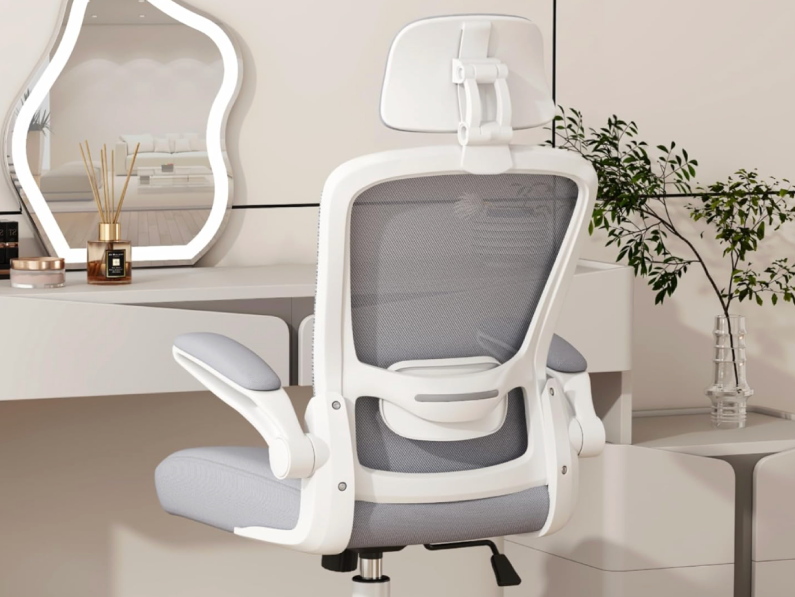
Spending eight hours a day slouching in a cheap, padded game chair or a kitchen stool causes micro-trauma to your lumbar spine. Most people think they need a $1,500 Herman Miller Aeron to fix their back pain, but that's simply not true. The middle market for ergonomic office furniture has exploded with options that offer 90 percent of the performance at a fraction of the cost.
For around $140 to $190, you can grab a fully adjustable mesh ergonomic office chair with dedicated lumbar support, dynamic headrests, and breathable seating surfaces. Alternatively, a dual-motor height-adjustable standing desk frame under $200 allows you to break up long sedentary blocks throughout the workday.
The key feature to look for in this price bracket isn't thick foam padding—padding actually degrades quickly and compresses your nerves. Look for:
- High-density breathable mesh that prevents heat buildup
- Height-adjustable lumbar support that locks into your spine's natural curve
- Adjustable armrests that allow your elbows to rest at a neutral 90-degree angle
- Recline tension controls that take pressure off your pelvic floor
Switching between sitting and standing every 45 minutes increases capillary blood flow, reduces lower back compression, and stops the late-afternoon brain fog caused by poor posture. It's one of the highest-yield upgrades you can make for your workspace.
Glass Air Fryers and Smart Countertop Appliances
The original wave of air fryers had a glaring flaw: dark plastic baskets with tiny viewing windows that made it impossible to see your food without constantly opening the drawer and dumping out heat. Modern glass-top and multi-function countertop cookers have completely redesigned this experience.
Compact, glass-walled air fryers—like the Ninja Crispi glass system—come in under $200 and solve the visibility and cleanup nightmare of older appliances. Glass containers allow you to cook, inspect, serve, and store leftovers without transferring food across three different dishes.
Beyond convenience, these compact units draw significantly less wattage than heating up a traditional kitchen oven for a single portion of protein or roasted vegetables. They reach 400 degrees Fahrenheit almost instantaneously, crisping food through high-velocity convection air rather than soaking it in oil. If you value your time and hate doing dishes after a long work day, an updated countertop cooker is worth every penny.
True HEPA Filtration for indoor Air Quality
Indoor air quality is notoriously terrible, often holding four to five times higher concentrations of particulate matter than outdoor air due to dust mites, pet dander, cooking smoke, and off-gassing furniture. Yet most people only think about air purification when wildfire smoke fills the sky or severe allergies kick in.
Running a compact, high-efficiency air purifier with a genuine HEPA filter in your bedroom or home office radically alters your daily environment. Units like the Shark NeverChange Compact Pro or Levoit Core series sit right around the $150 to $190 price range and quietly clean hundreds of square feet per hour.
True HEPA filtration captures 99.97% of airborne particles down to 0.3 microns, including fine dust, pollen, and microscopic mold spores.
Standard Dust Filter: Captures large debris (>10 microns)
     │
     ▼
Carbon Pre-Filter: Absorbs VOCs, cooking odours, and smoke
     │
     ▼
True HEPA Filter: Traps 99.97% of airborne particles (down to 0.3 microns)
Placing one of these units on your nightstand reduces morning sinus congestion, cuts down on dust accumulation on surfaces by up to 80 percent, and neutralizes lingering cooking smells before they settle into your carpets and curtains.
Circadian-Aligned Lighting for Better Sleep and Energy
Human biology evolved to respond to natural light cycles—bright, blue-enriched sunlight in the morning to spike cortisol and signal alertness, followed by warm, low-intensity golden light in the evening to trigger natural melatonin production. Modern indoor LED lighting completely wrecks this delicate internal clock by blasting cold, high-kelvin white light right until bedtime.
Upgrading your nightstand or wind-down routine with targeted circadian lighting or red-light therapy devices under $150 helps reset disrupted sleep schedules. Canadian-designed tools like the Helight sleep device or smart sunrise alarm clocks mimic natural dusk and dawn light profiles.
Red light wavelengths (around 660 nanometers) do not suppress night-time melatonin secretion the way overhead lighting or smartphone screens do. By replacing harsh overhead bedroom lights with targeted warm or red-spectrum lamps 30 minutes before bed, you signal your central nervous system that it's safe to power down. You fall asleep faster, wake up feeling less groggy, and stop relying on heavy caffeine doses just to survive your morning meetings.
How to Choose Which Upgrade to Buy First
If you can't afford to swap out everything at once, prioritize based on where you spend the most total hours every day.
| Focus Area | Primary Problem Solved | Target Budget | Expected Payoff |
|---|---|---|---|
| Bedding (TENCEL Sheets) | Night sweats & tossing/turning | $120 - $170 | Deeper sleep, faster recovery |
| Ergonomic Seating | Lower back fatigue & slouching | $140 - $190 | Less spinal strain during work |
| Air Filtration | Allergies, dust, & morning congestion | $130 - $190 | Cleaner air, fewer sinus issues |
| Ceramic Cookware | Sticking food & toxic pan flakes | $100 - $150 | Faster meal prep & easy cleanup |
Start by auditing your daily routine from the moment you wake up to the second you close your eyes. Identify the single biggest friction point that consistently annoys you—whether it's an aching lower back at your desk, scratchy sheets that keep you awake, or a sticky frying pan that ruins your morning eggs. Grab one solid, high-quality replacement under $200 and test it for two weeks. The difference in your daily energy and comfort levels will speak for itself.