The ground is bone-dry, the air is thick with the scent of pine resin turning to ash, and the traditional summer calendar is completely broken. If you think the massive wildfires tearing through France, Spain, Portugal, and Greece are just another bad summer on the Mediterranean, you're missing the terrifying shift happening right now.
We aren't even out of the first week of July, and more than 19,000 hectares of land have already burned to the ground. That's an area over twice the size of Manhattan, gone in a flash.
The sudden intensity of these fires has blindsided communities. Over 10,500 people have been forced out of their homes. Local governments are making unprecedented moves, like completely banning spectators from the French mountain stages of the Tour de France to keep roads clear for emergency crews.
The real question everyone is asking is simple: why is this happening so early, and how do you protect yourself if you're living in or traveling through the region? Let's break down exactly what's fueling this crisis and what it means on the ground.
The Fire Season Started a Month Early
Fire seasons used to have a predictable rhythm. August was usually the danger zone. Not anymore.
A brutal, record-breaking heatwave in June laid the groundwork for this nightmare. According to data from the World Weather Attribution group, that June heatwave caused thousands of excess deaths and set up a perfect tinderbox. When vegetation is baked for weeks by extreme heat, it loses all moisture. By the time July hit, the landscape was primed to ignite from the smallest spark.
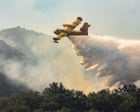
Look at the numbers right now. In southwestern France near Perpignan, a massive fire in the Aspres region near Trevillach nearly tripled in size in less than 48 hours. It consumed 4,600 hectares of land. It didn't just crawl through the brush; it leaped across a jagged, remote landscape, pushing 700 firefighters and heavy water-bombing aircraft to their absolute limits.
Local residents spoke of total shock at how fast the flames moved. One minute you see smoke on the horizon, and the next, a town official is knocking on your door at 1:00 AM telling you to run.
The Toll Across the Mediterranean
This isn't a localized disaster. It's a regional assault.
- France: Beyond the Perpignan blaze, massive fires have triggered the evacuation of over 10,000 people. The Tour de France's third stage, transitioning from Spain into France through the Pyrenees, will feel like a ghost town. Regional prefect Pierre Regnault de la Mothe confirmed that spectators are banned from the route on French soil to keep roads clear for emergency personnel.
- Spain: In Catalonia's Girona region along the Costa Brava, an uncontrolled blaze has scorched 2,200 hectares, establishing a menacing 40-kilometer perimeter. Firefighters are struggling because the ground is littered with hundreds of smoldering hotspots ready to flare up with the next gust of wind.
- Portugal: Firefighters are managing to contain about 80 percent of a monster 13,000-hectare fire in the northern Vouzela region, but over 1,200 personnel remain tied down dealing with persistent hot spots.
- Greece: On the outskirts of Thessaloniki, a forest fire tore right into an industrial area, destroying two factories and sending a toxic cloud of smoke over the suburbs. Authorities arrested a 76-year-old man on suspicion of negligence, alleging he sparked the fire using his vehicle near dry roadside weeds.
Major blazes are also chewing through forests and vineyards further out, including Croatia’s tourist island of Hvar and areas of Albania.
The Myth of the Normal Summer
"Climate change is here, we are living the consequences, and it is only the start of July." Those were the direct words of French fire service Colonel Eric Belgioino. He's right. The old playbooks don't work when temperatures are consistently hitting 40°C in early July.
What most people get wrong about these fires is assuming they require a massive catalyst. They don't. When the air is this dry and the wind is howling, a dragging trailer chain hitting asphalt, a discarded cigarette, or a hot car exhaust parked over dry grass is all it takes to trigger an evacuation order for thousands of people.
How to Stay Safe if You Are in Southern Europe
If you live in these areas or are traveling there, stop assuming local authorities can contain everything instantly. Resources are stretched thin across multiple countries simultaneously. Take these steps immediately to protect yourself:
1. Monitor Air Quality and Smoke
The toxic smoke from industrial and recycling plant fires, like the one in Greece, is highly dangerous. Keep windows closed if a fire is in your region. Use apps like IQAir or local government alerts to track particulate matter.
2. Know Your Evacuation Plan Before You Need It
Don't wait for a knock on the door at midnight. Pack a go-bag with essential documents, medications, and chargers. Identify at least two different driving routes out of your area. Fires move fast enough to cut off primary roads in minutes.
3. Clear the Perimeter of Your Property
If you own property in a high-risk zone, clear dry brush, dead leaves, and overhanging branches within 10 meters of your home. Move propane tanks and firewood away from structures. It can mean the difference between a house surviving on its own or burning down before a fire truck can arrive.
4. Download Local Emergency Apps
Every country has its own alert system. In France, monitor local prefecture social media channels and radio. In Spain, track Protecció Civil alerts. Never ignore a mandatory evacuation order thinking you can fight the fire with a garden hose.
The heat alerts are intensifying for the coming days. The summer is going to be incredibly long for emergency crews, and public vigilance is the only thing that will prevent further disasters. Stay informed, stay packed, and act the moment you see smoke.