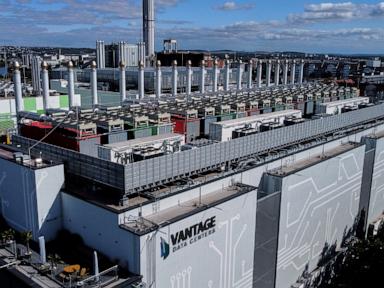
Europe is waking up late to a race it can't afford to lose. The European Union just put 10 billion euros, roughly $11.4 billion, on the table to fund seven massive AI gigafactories. Brussels wants to squeeze another 20 billion euros out of private investors to match the cash. It's a massive financial gamble designed to stop the bloc from becoming a digital colony dependent on American software and Chinese hardware.
If you look at the raw state of global artificial intelligence today, Europe is miles behind. You have American tech giants hoarding the capital and Chinese infrastructure churning out boundless electrical power. Meanwhile, European firms are stuck paying two or three times more for electricity than their international competitors. They don't even manufacture the millions of chips and tiny components required to keep heavy data centers humming.
What These AI Gigafactories Will Actually Do
Brussels isn't building basic server rooms. The plan requires each new gigafactory to pack at least 100,000 cutting-edge AI processors. That setup makes a single facility roughly four times more powerful than any data center currently running across the 27-nation bloc.
Right now, Europe relies on a scattered network of 19 smaller AI data centers stretching from Finland down to Spain. These seven new beasts will more than double the continent's current computing capacity. Major hardware players like AMD, Nvidia, and Qualcomm have already signed letters of intent to supply chips.
Henna Virkkunen, the European Commission executive steering tech sovereignty, calls this raw compute scale a strategic necessity. She isn't wrong. European politicians are terrified that foreign tech providers can weaponize dependencies against them. When Washington barks about compliance or Beijing cuts off critical mineral supplies, European startups take the hit.
Can Money Buy Technological Independence
Throwing billions at infrastructure feels good on paper, but cash doesn't instantly solve cultural and structural roadblocks. Take France's Mistral, creator of the Le Chat chatbot. It runs one of the largest AI data centers in Europe right in Paris. Yet, Mistral still struggles to keep pace with OpenAI or Chinese challengers like DeepSeek.
Money alone won't fix high energy costs or a lack of local hardware manufacturing. Power prices inside the EU remain a massive barrier for energy-hungry data workloads. On top of that, local compliance frameworks like the Digital Services Act mean these new gigafactories must adhere to strict ethical and data protection guardrails. American and Chinese labs train models with loose regard for local oversight. European builders have to play by a completely different rulebook.
The Tight Timeline Ahead
The application window is open now. Consortia made up of tech providers, cloud firms, public entities, and private investors have until November 12 to submit bids. The European Commission plans to announce winners in early 2027.
Winning bidders must bring their facilities online within 18 months of signing contracts. That is an aggressive timeline for massive industrial construction, especially with local grid capacities strained.
If you're running a tech startup or enterprise in Europe, don't expect immediate relief. Keep your eyes on the November bidding deadline and watch which consortia secure the primary contracts next year. The next eighteen months will decide whether Europe can claw its way back into the global tech race or stay permanently sidelined.