The Arctic is no longer just a frozen wasteland of scientific curiosity. It's the new chessboard for global influence, and Brussels just made a massive move.
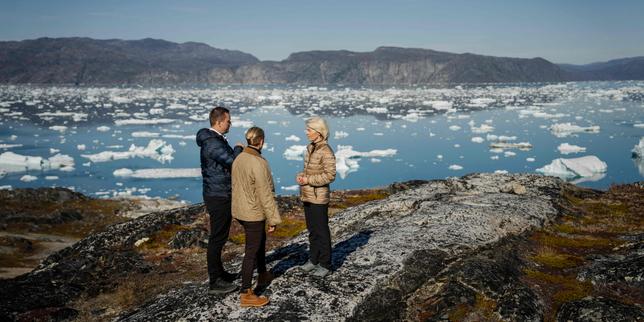
When Ursula von der Leyen touched down in Nuuk on September 7, 2026, she brought a chequebook. The European Commission announced a fresh injection of 200 million euros targeted directly at Greenland's future. If you look past the standard diplomatic handshakes, this move reveals a desperate scramble for control over critical resources and a direct warning shot to foreign superpowers eyeing Arctic territory.
Where the Money Is Actually Going
Two hundred million euros sounds like a lot of pocket change for a continent, but for an island with a tiny population, it's transformative. The funding package, spanning 2026 and 2027, focuses on three distinct pillars: clean energy, digital and physical connectivity, and critical raw materials.
Let's be honest. Europe doesn't spend money out of the goodness of its heart. The continent needs rare earths, lithium, and other raw minerals to fuel its green transition without relying on hostile supply chains. Greenland sits on top of massive, largely untapped mineral deposits. By financing infrastructure, renewable energy systems like the Buksefjord hydroelectric expansion, and local administrative capacities, Europe is laying the tracks for future extraction.
You have to wonder how the locals view this. Greenlandic leaders want economic independence from Denmark, but trading a Danish subsidy for European industrial interest requires walking a tightrope. Nuuk wants self-determination, not a new master.
The Geopolitical Elephant in the Room
Nobody in Brussels wanted to say his name out loud during the visit, but Donald Trump's shadow loomed large over the Arctic meetings. Earlier in the year, renewed American interest and aggressive rhetoric regarding the ownership and strategic value of the island sent shockwaves through European capitals.
Europe woke up to a terrifying reality. For decades, the West took Arctic stability for granted. When Washington started treating a sovereign territory like real estate up for grabs, European leaders panicked quietly.
Von der Leyen used her platform in Nuuk to draw a sharp boundary line. She explicitly stated that only the people of Greenland and Denmark decide the island's destiny. Period. No outside power gets a vote. It was a rare, sharply worded public defense of sovereignty designed to deter American or Chinese encroachment.
Why Sovereignty Matters More Than Ever
The push for autonomy isn't a new storyline, but the financial stakes amplify every decision made in Nuuk. Greenland operates with broad self-rule under the Danish realm, yet financial subsidies from Copenhagen still prop up large parts of the local economy.
Brussels is stepping in to offer an alternative economic gravity. By tying Greenland closer to the single market through educational programs like Erasmus+, research initiatives, and infrastructure grants, Europe is weaving an economic safety net.
If you're running a business or tracking global supply chains, pay attention to the Arctic. The melting ice opens up new shipping lanes, cuts travel times between Asia and Europe, and grants access to seabed resources previously locked behind permanent glaciers.
Take a close look at how local governance reacts over the next twelve months. The real test is whether Nuuk can leverage this European cash injection to build genuine economic independence or if they'll simply swap old dependencies for new ones. Watch the mining licenses and energy contracts closely because that is where the real battle for the Arctic will be won or lost.