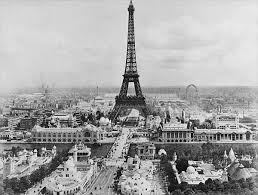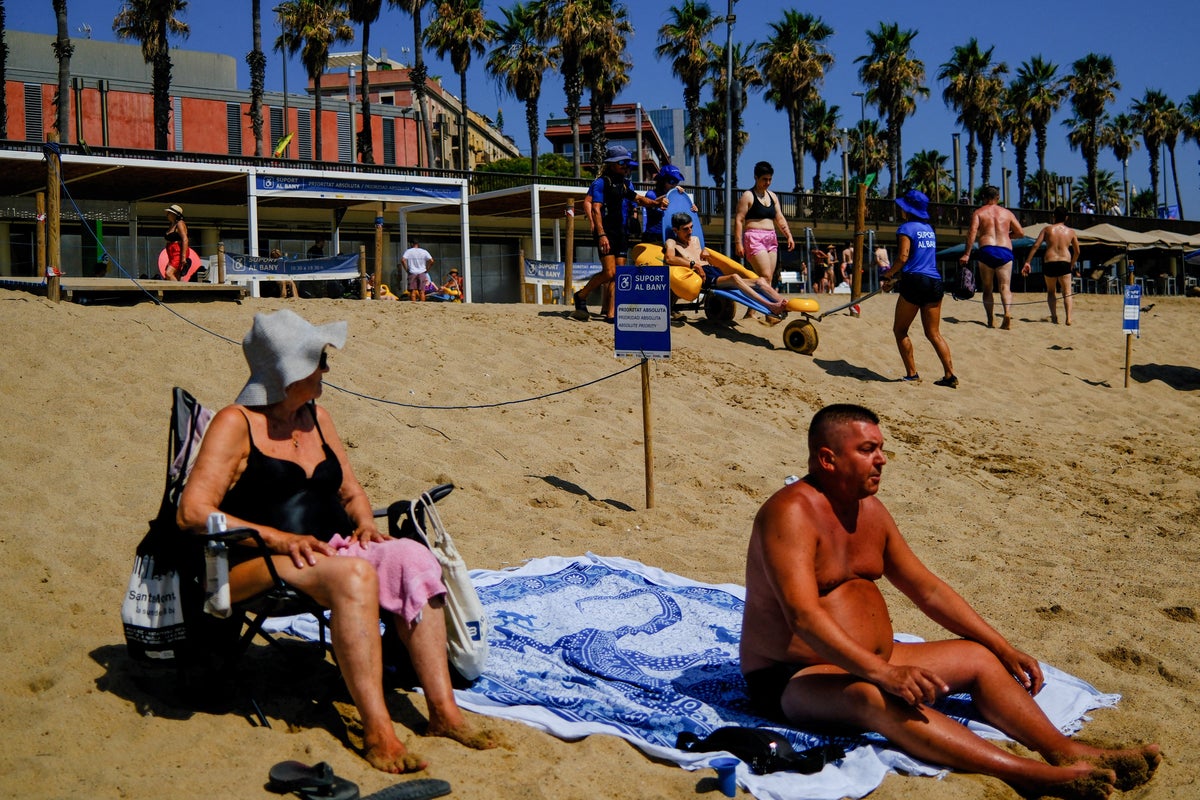
Europe is burning up again. Schools are locking their doors early, the Louvre and the Eiffel Tower are shutting down to shield tourists from melting temperatures, and red alerts have blanketed large swaths of France, Spain, Italy, and the UK. Dozens of people are already dead. This isn't just another hot week in June. It is a full-blown atmospheric crisis driven by a stubborn, high-altitude meteorological structure called an Omega block.
When a heatwave hits this hard, people usually blame the sun or warm winds from North Africa. Those matter, but they are only part of the equation. The real culprit is a broken jet stream that has stopped moving entirely. It has trapped a massive bubble of scorching air over Western Europe and refused to let it budge.
Understanding how this atmospheric trap functions explains why this current emergency is so severe. It also reveals why our near future looks incredibly dry, dusty, and dangerously hot.
The Anatomy of an Atmospheric Trap
Meteorologists call it an Omega block because of how it looks on a weather map. The jet stream, which normally flows in a relatively straight line from west to east across the Atlantic, bends into a massive, distorted shape resembling the Greek letter $\Omega$.
This shape creates a distinct structural setup. You get a mountain of high pressure in the middle, flanked tightly by two deep valleys of low pressure on either side. Think of it as an atmospheric sandwich where the filling is an intense, unyielding heat dome.
Under normal circumstances, the jet stream acts like a cosmic conveyor belt. It pushes weather systems along, ensuring that a rainy day follows a sunny one and that heat doesn't linger long enough to bake the earth. An Omega block completely shatters this rhythm. The winds stall out. The high pressure sits in place, acting like a heavy concrete lid pinned over millions of people.
Because high pressure forces air downward, it completely stops clouds from forming. Without clouds, the sun beats down on the ground hour after hour with zero filter. The dry soil absorbs that energy and radiates it straight back into the lower atmosphere. It creates a feedback loop where each passing day gets progressively hotter than the last.
Why This Current Wave is Breaking the Systems
Look at what is happening across France right now. Météo-France has reported the hottest nights ever recorded in the country. Temperatures during the day are routinely blasting past 40°C (104°F). When a building or a city cannot cool down at night, the human body never gets a chance to recover. That is when mortality rates spike.
The contrast across the continent is bizarre. While Paris and Madrid sweat through historic highs, the low-pressure systems on the outer edges of the Omega block are throwing down severe storms and sudden floods elsewhere. Turkey and parts of the Black Sea region are dealing with bizarrely cool, wet conditions and sudden flash floods. You have one side of Europe drowning while the other side bakes.
This geographic footprint is what makes blocking patterns so erratic. If you live right under the center of the ridge, you face weeks of unrelenting sun and escalating wildfire risks. If you live a few hundred miles to the east or west, you might get slammed by hail and sudden, destructive winds.
The Climate Change Multiplier is Changing the Baseline
Atmospheric blocking has always existed. Meteorologists have studied Omega blocks for a century. The issue isn't that the weather pattern itself is entirely new. The issue is what happens when you drop this pattern onto a planet that has already warmed by 1.3°C since the industrial age.
Data from climate researchers at institutions like Imperial College London shows that modern heatwaves in Europe are roughly 2°C to 4°C hotter than they would have been in a world without fossil fuel emissions. The baseline has shifted upward. When an Omega block locks a heat dome in place today, it starts from a much higher temperature floor.
A pattern that might have produced a hot, uncomfortable 34°C week in the 1980s now easily pushes the mercury to 40°C or higher. That difference is the gap between a tough summer week and a public health disaster.
A warming Arctic is also a major suspect in why these blocks seem to happen earlier and last longer. The jet stream is driven by the temperature difference between the cold north pole and the warm equator. Because the Arctic is warming much faster than the rest of the planet, that temperature gradient is shrinking. A weaker gradient means a slower, lazier jet stream that is far more prone to buckling, looping, and getting stuck in these dangerous configurations.
The Human Toll of a Stagnant Sky
We often treat heatwaves as invisible disasters. They don't blow roofs off houses like hurricanes do, and they don't split asphalt like earthquakes. They kill quietly.
Most of the deaths reported during this current European block have come from heat stroke, cardiovascular failure, or accidental drownings as desperate people leap into rivers and lakes to cool off. When the air hits 42°C and humidity rises, the body's primary cooling mechanism—sweating—stops working effectively.
Urban centers turn into giant ovens. Concrete and asphalt absorb heat all day and bleed it out all night, creating what scientists call urban heat islands. Older apartments without air conditioning become unlivable.
The economic fallout is massive too. Rivers dry up, stalling commercial shipping vessels that carry cargo across central Europe. Power grids groan under the weight of millions of air conditioners running at maximum capacity simultaneously. Nuclear power plants are forced to cut production because the river water they use for cooling becomes too warm to safely discharge back into the environment.
Real Steps for Coping With the New Normal
We have to stop treating these stagnant blocks as freak occurrences. They are a predictable feature of our modern climate system. Surviving them requires shifting from temporary emergency responses to permanent structural changes.
Redesign the Spaces We Live In
Cities must change how they handle incoming radiation. Painting roofs white reflects sunlight back into space instead of absorbing it. Ripping up unnecessary asphalt and replacing it with green spaces, pocket parks, and tree canopies can lower local temperatures by several degrees.
Overhaul Public Health Warnings
Treating extreme heat with the same urgency as a category five storm saves lives. This means setting up air-conditioned public cooling centers that are easily accessible to vulnerable populations. It also means running active check-in networks for elderly citizens who live alone and might not realize how dehydrated or overheated they are becoming.
Adjust Daily Working Rhythms
When temperatures breach 40°C, outdoor labor becomes a life-threatening hazard. Agricultural sectors and construction firms must shift their schedules entirely to the early morning or late evening hours. Continuing to force workers onto rooftops or into open fields during the peak afternoon sun is an execution sentence.
Protect Your Personal Environment
If you are currently caught under the European high-pressure ridge, don't rely entirely on the grid to save you. Keep your windows and blinds completely shut during the heat of the day to seal out the ambient air. Open them only late at night if the outside temperature finally drops below the inside temperature. Drink water constantly, even when you don't feel actively thirsty. Your body uses an immense amount of fluid just trying to keep your internal core stable under a heavy atmospheric lid.
The sky over Europe will eventually clear its throat and start moving again as the Omega block breaks apart toward the end of the month. The high pressure will dissolve, the winds will kick back up, and cooler Atlantic air will slide back across the continent. But the systems that allowed this block to turn so deadly aren't going away. We will see this exact shape on the weather maps again before the summer is out.