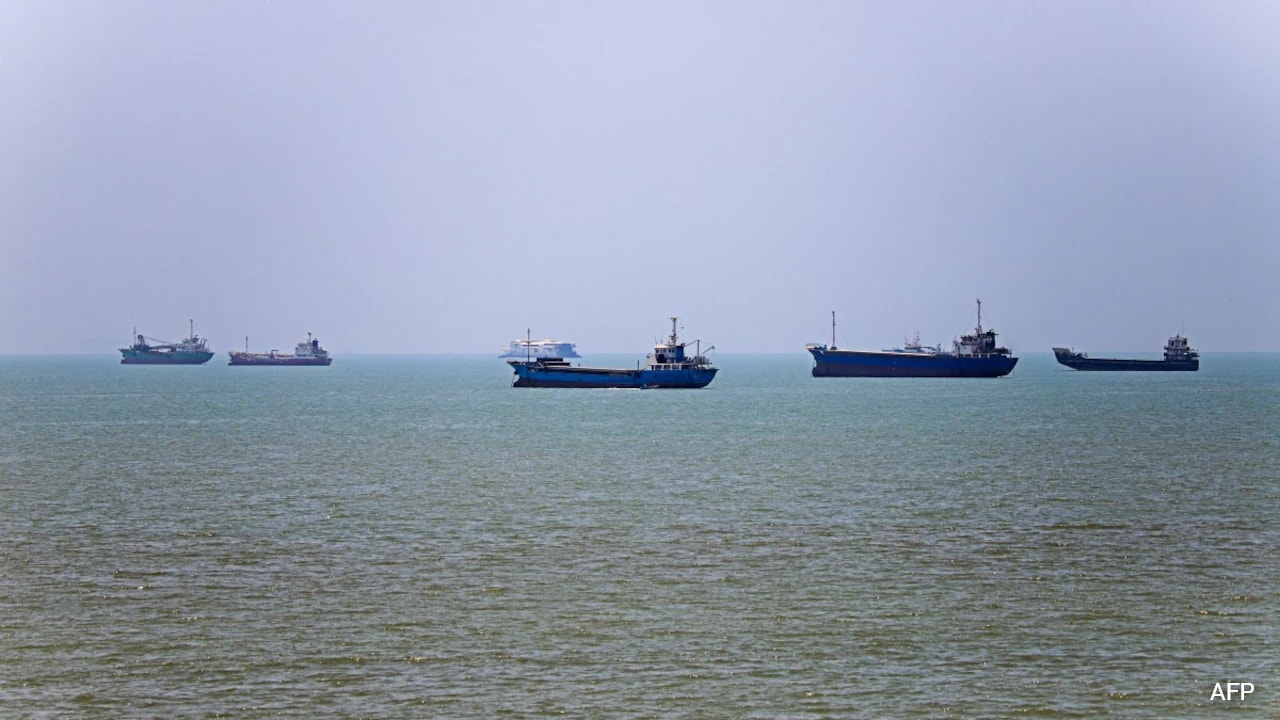
Ten commercial ships just broke free from a four-month maritime prison. It happened quietly on Monday morning, but the ripple effects will hit global energy markets fast. London Stock Exchange Group (LSEG) shipping data confirmed that a fleet of ten Japan-linked vessels finally sailed out of the Strait of Hormuz. They had been trapped inside the Persian Gulf since late February, frozen in place by the sudden outbreak of the US-Israel-Iran war.
If you think this is just a minor logistics update, you are missing the bigger picture. This bottleneck held twelve million barrels of crude oil captive on just six supertankers. Two chemical tankers, a vehicle carrier, and a massive container ship were stuck right alongside them.
The sudden release of these ships isn't random luck. It is the direct result of intense, quiet diplomatic horse-trading in Doha. But while energy analysts are breathing a sigh of relief, the underlying crisis for global shipping is far from over.
The Four Month Maritime Standoff
To understand why these ships were stuck, look at the timeline. In late February, joint military strikes altered the security situation in the Middle East overnight. Iran responded by shutting down the Strait of Hormuz, a narrow choke point that usually handles twenty percent of the world's petroleum and liquefied natural gas.
Commercial operators faced an impossible choice. They could risk sailing through a live combat zone or sit tight and wait. Mitsui O.S.K. Lines, the Japanese shipping giant managing most of these stranded vessels, chose to wait. They prioritized seafarer safety over immediate delivery schedules, anchoring millions of dollars of cargo in the Gulf.
The ships loaded their oil from terminals in Saudi Arabia, Qatar, and the United Arab Emirates between late February and early March. Instead of making the standard journey eastward toward Asian refineries, they became Floating storage units. This is not how modern supply chains are supposed to run.
Over the weekend, a separate supertanker called the Long Wind also made its escape. Operated for the South Korean refiner S-Oil, it carries two million barrels of Saudi crude. It is now crawling toward the port of Onsan, expecting to arrive on July 26. That is nearly five months late for a routine delivery.
What Was Sitting Inside Those Hulls
The scale of the stranded cargo is staggering. The six Very Large Crude Carriers (VLCCs) held enough oil to supply the entire nation of Japan for several days.
The breakdown of the fleet shows exactly how vulnerable global trade is to a localized conflict. It consisted of six supertankers carrying crude, two specialized chemical carriers, one vehicle carrier packed with automobiles, and one container ship hauling industrial goods.
When millions of barrels of oil sit in a ship's hull for four months, problems multiply. Crude oil degrades if left completely stagnant under high temperatures. The intense summer heat of the Persian Gulf places immense stress on a vessel's internal cooling and pressure management systems. Crews must constantly monitor volatile organic compounds to prevent dangerous pressure buildups.
The financial toll of this delay is brutal. Demurrage fees—the price paid for delaying a vessel beyond its contracted time—can top one hundred thousand dollars per day for a single supertanker. Multiply that by ten ships over one hundred and twenty days. The math quickly turns into a corporate nightmare for insurers, charterers, and shipping lines.
The Doha Diplomacy That Cleared the Choke Point
This sudden exit did not happen in a vacuum. On July 2, a massive group of thirty-five commercial vessels moved through the strait in both directions. That was the first major sign of life in the corridor.
It happened because negotiators from Washington and Tehran held separate, indirect meetings in Qatar. Mediators from Doha and Islamabad spent weeks hammering out an interim framework agreement. The goal was simple: get commercial shipping moving again before the global energy supply chain snapped completely.
But don't mistake this breakthrough for a permanent peace treaty. The United States and Iran are still deeply divided over who controls the waterway. Tehran wants to maintain physical oversight and inspection rights over vessels passing close to its southern coastline. Washington refuses to accept anything less than complete freedom of navigation in international waters.
Western intelligence sources indicate that Iran used the recent ceasefire period to restock its coastal missile batteries and redeploy naval assets. The region remains incredibly volatile. A single rogue drone strike or an aggressive boarding action could close the strait again tomorrow.
The Real Cost for Energy Buyers in Asia
Japan and South Korea are feeling the brunt of this instability. Tokyo relies on the Middle East for over ninety percent of its petroleum needs. When ten major vessels get trapped, buyers have to scramble for expensive alternatives on the spot market.
Refiners have been forced to source crude from West Africa, the US Gulf Coast, and Latin America. These alternative routes require longer voyages, higher freight rates, and increased fuel consumption. The premium paid for secure, non-Hormuz oil has driven up domestic energy costs across East Asia.
Look at Pakistan as an example of the ongoing pain. Even as oil tankers began to move, Qatari liquefied natural gas shipments through the strait remained heavily restricted. Islamabad had to buy a last-minute spot market LNG cargo from TotalEnergies at a steep price of over seventeen dollars per million British thermal units just to keep its power plants running. That is the price of instability.
Crew Welfare and the Human Cost of Geopolitics
We often talk about these ships as numbers on a spreadsheet. We forget about the mariners trapped on board. For four months, hundreds of seafarers have been sitting in a war zone, watching the horizon for missile strikes or hostile naval patrols.
Contract extensions have pushed crews past their legal limits under maritime labor conventions. Supply boats had to ferry food, fresh water, and essential medicines to the anchored fleet while avoiding regional naval forces. The mental strain on these sailors is immense. Mitsui O.S.K. Lines kept their silence throughout the crisis to avoid painting a target on their vessels, refusing to comment even as the ships began to move on Monday.
What Companies Must Do Right Now
The temporary easing of the Hormuz blockade gives global logistics managers a brief window to act. Waiting for a comprehensive peace deal is a losing strategy.
First, diversify your maritime routes immediately. If your supply chain relies on a single transit point like the Strait of Hormuz or the Bab el-Mandeb, you are exposing your business to catastrophic risk. Look into overland pipelines like the East-West Crude Oil Pipeline across Saudi Arabia, which bypasses the strait entirely by moving oil directly to the Red Sea.
Second, recalculate your insurance premiums. War risk insurance surcharges are not going away anytime soon. Underwriters are re-evaluating the terms for any vessel entering the Persian Gulf. You need to build these volatile premiums directly into your operational budgets for the remainder of the year.
Third, update your crew safety protocols. If you have vessels traversing the Gulf of Oman, ensure your security teams are trained for asymmetric threats, including low-altitude drone tracking and electronic jamming defense.
The exit of these ten tankers proves that diplomacy can still unlock global trade channels under extreme pressure. It does not mean the geopolitical risk has evaporated. Keep your supply chains flexible, protect your assets, and don't assume the shipping lanes will stay open forever.