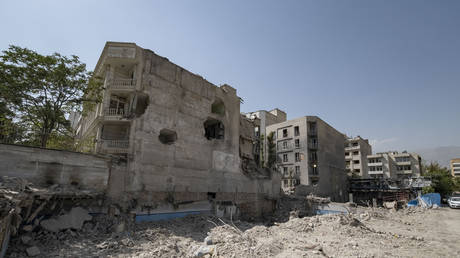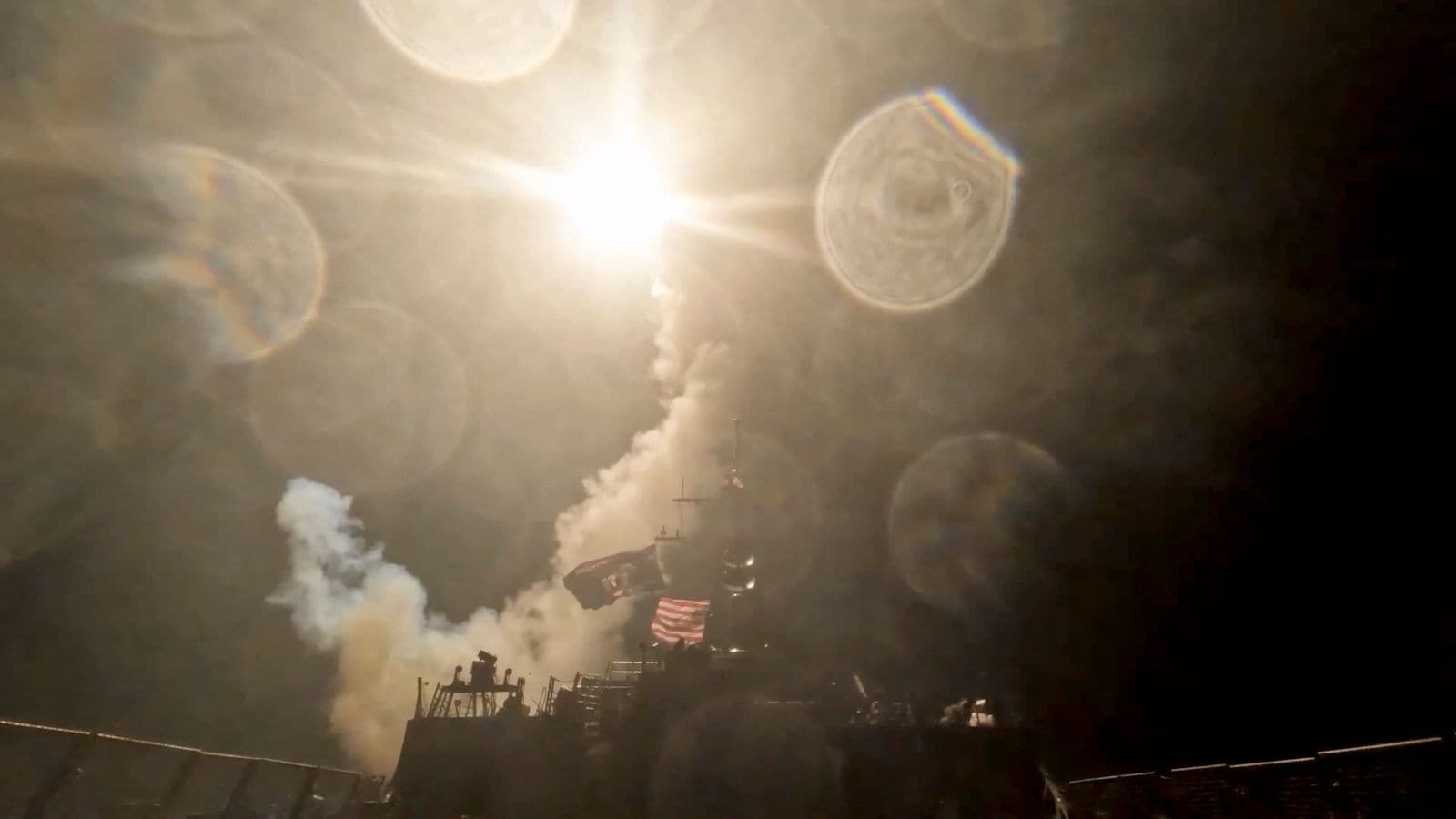
The standoff in the Middle East has entered a far more hazardous chapter. Overnight military operations hit key sites across Iran, marking a major escalation as the fight over global maritime chokepoints shifts from low-level harassment to open warfare.
If you think this is just another diplomatic spat that will blow over in a week, think again. The conflict is directly squeezing two of the most critical energy and cargo channels on Earth—the Strait of Hormuz and the Bab el-Mandeb Strait. That means higher pump prices, surging shipping fees, and supply chain headaches for everyone.
Understanding the Sudden Escalation in Regional Waters
The recent military push by US forces follows a string of disruptions targeting commercial vessels. US Central Command confirmed that precision strikes hit targets in coastal areas like Qeshm Island and Bandar Abbas, as well as inland locations including Ahvaz and Omidiyeh. The objective stated by military officials was simple: strip away Iran's capacity to deploy drone boats, lay sea mines, and launch anti-ship missiles against civilian mariners.
Primary Shipping Chokepoints Under Strain
+---------------------+-------------------------------+-----------------------------------+
| Chokepoint          | Global Volume Share           | Key Risk Factor                   |
+---------------------+-------------------------------+-----------------------------------+
| Strait of Hormuz    | ~20% of seaborne crude        | Mine-laying, drone boat swarms    |
| Bab el-Mandeb Strait| ~12% of global maritime trade | Anti-ship missiles, drone strikes |
+---------------------+-------------------------------+-----------------------------------+
This escalation didn't happen in a vacuum. It flared up after Yemen's Houthi rebels launched attacks on oil tankers in the Red Sea. That move effectively created a double bottleneck. When both the Gulf route through Hormuz and the Red Sea path through Bab el-Mandeb face disruption, alternative routes vanish overnight.
What Mainstream Coverage Misses About the Energy Bottleneck
Most news outlets focus entirely on short-term price spikes in crude oil. Brent crude pushed past $100 a barrel as headlines broke. But focusing purely on daily ticker prices overlooks the structural damage being done to maritime trade.
In normal times, roughly a fifth of the world's oil and liquid natural gas transits through the narrow gap between Iran and Oman. When safety in that corridor breaks down, marine insurers raise war-risk premiums sharply. In many cases, maritime insurers refuse to write policies for unescorted vessels altogether.
To bypass the Strait of Hormuz, energy exporters like Saudi Arabia rely on overland pipelines to transport crude westward to Red Sea ports like Yanbu. But with Houthi forces targeting vessels in the Red Sea, even that bypass strategy faces severe pressure.
Alternative Shipping Route: Cape of Good Hope Bypass
[ Persian Gulf / Red Sea Routes ]  ---> Blocked or High Risk
[ Circum-Africa / Cape Route    ]  ---> Adds 10-14 days transit time, increases fuel costs by ~40%
Rerouting container ships and oil tankers around the southern tip of Africa adds ten to fourteen days to transit times between Asia and Europe. That burns thousands of extra tons of fuel per ship, ties up global vessel inventory, and drives up spot freight rates across every major consumer sector.
Diverging Strategies and the Risk of Wider Instability
The tactical approaches between Washington and Tehran couldn't be more distinct:
- US Strategy: Relies heavily on precision air power and naval presence to suppress launch sites, clear shipping corridors, and enforce naval blockades around key Iranian ports.
- Iranian Strategy: Uses asymmetric tactics—deploying sea mines, fast-attack drone boats, and regional proxy networks—to make transit through narrow waterways prohibitively expensive for Western-linked commerce.
This standoff creates severe friction across regional energy networks. Iran has increasingly targeted neighboring industrial infrastructure in response to airstrikes, while domestic political resistance in Washington grows as lawmakers debate the prolonged use of military force without fresh authorization.
Immediate Action Steps to Navigate the Fallout
Whether you manage supply chains, oversee logistics, or simply want to protect your personal finances against energy-driven inflation, sitting on your hands isn't an option.
- Audit Your Supply Chain Exposure: Identify suppliers or logistics providers that rely on Red Sea or Gulf maritime corridors. Request contingency plans that account for longer transit times around Africa.
- Adjust Inventory Buffer Stock: If your business relies on imported components or raw materials from Asia or the Middle East, increase safety stock levels immediately to cushion against a two-to-three-week shipping delay.
- Hedge Against Fuel Surcharges: Logistics managers should lock in freight contracts with clear fuel-surcharge caps where possible, as freight carriers will pass rising bunker fuel costs directly to shippers.
- Review Energy Overhead: For households and small businesses, lock in fixed-rate energy plans if available before rising wholesale crude and natural gas costs filter down to consumer utility bills and fuel pumps.