A quiet Wednesday morning in Lo Uk Tsuen turned into a parent’s worst nightmare. On June 10, 2026, an eight-year-old girl lost consciousness at her family home on South Lantau Road. Her mother discovered her unresponsive at around 8:27 am and frantically called emergency services.
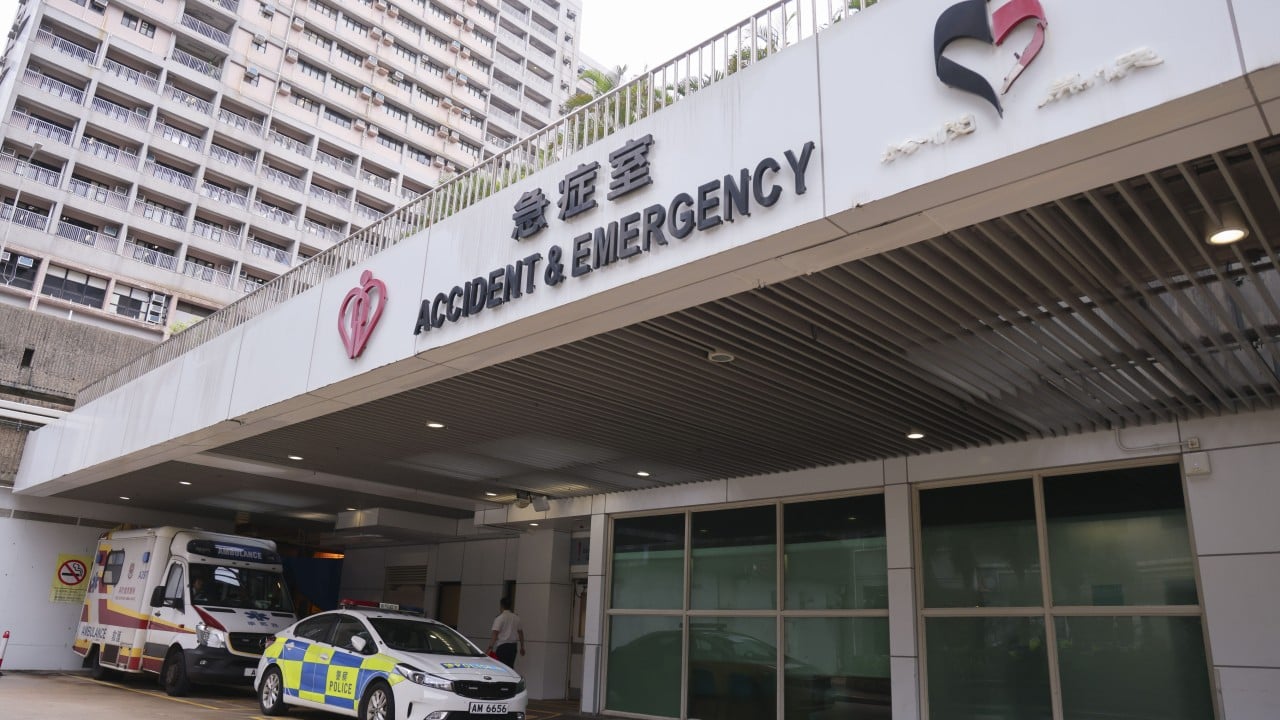
Because of the remote village location on Lantau Island, first responders faced a massive logistical challenge. The Government Flying Service quickly dispatched a rescue helicopter to airlift the child directly to Eastern Hospital on Hong Kong Island. Paramedics fought to revive her during the transit, but doctors pronounced her dead shortly after arrival.
Police have launched an investigation into the sudden collapse. As of right now, the exact cause of death remains undetermined, pending an autopsy.
This tragedy hits hard. It exposes a harsh reality that families living in Hong Kong’s outlying islands understand too well. When a medical crisis strikes outside the urban core, every single second counts, and the geography is actively working against you.
The Logistics of Saving a Life on Lantau Island
When you look at Hong Kong’s glossy tourism brochures, Lantau Island looks like a peaceful escape. It is a mix of hiking trails, traditional fishing villages, and quiet beaches. But if your child stops breathing in an isolated spot like Lo Uk Tsuen, that peace turns into a dangerous barrier.
Urban Hong Kong boasts some of the fastest ambulance response times globally, with the Fire Services Department aiming for a 12-minute window. Out on South Lantau Road, things get complicated. Roads are narrow, winding, and often restricted.
That is why the Government Flying Service gets called in for critical cases. Helicopters are brilliant, but they are not instant.
- The call comes in to the emergency dispatch centre.
- The crew gets scrambled and prepares the aircraft.
- The helicopter flies out to a designated landing zone or coordinates a tricky winching operation.
- Paramedics stabilize the patient on an active, moving aircraft.
- The flight paths route the patient across the harbor to a major trauma center like Eastern Hospital.
It is a phenomenal engineering and medical effort. Yet, the process inherently takes longer than rolling an ambulance down a paved city street in Kowloon or Central. For an eight-year-old in cardiac or respiratory distress, those extra minutes dictate the entire outcome.
Why Sudden Collapses Happen in Seemingly Healthy Kids
It terrifies every parent. A child looks completely fine, runs around, eats breakfast, and then suddenly collapses. While we do not know the medical history of the young girl from Lo Uk Tsuen, pediatric experts point to a few common culprits behind sudden juvenile medical emergencies.
Undiagnosed congenital heart conditions top the list. Conditions like hypertrophic cardiomyopathy or long QT syndrome often show zero symptoms until an acute event occurs. The heart rhythm suddenly misfires, stopping blood flow to the brain instantly.
Severe respiratory failure from an undiagnosed or rapidly worsening asthma attack can also cause a sudden loss of consciousness. If a child's oxygen saturation drops below a critical threshold, they simply pass out.
Subtle infections, like myocarditis triggered by a common virus, can quietly weaken a child’s heart muscle over days without causing obvious alarm bells until the system shuts down.
What to Do If a Child Collapses in Front of You
When someone passes out, panic is your biggest enemy. You cannot afford to freeze, especially if you live in an area where emergency services require extra travel time. Knowing the immediate steps saves lives.
First, check for responsiveness. Shake the child gently by the shoulders and shout their name loudly.
Second, check for breathing. Look at the chest to see if it rises and falls. Listen closely to their mouth. If they are not breathing, or if they are only gasping irregularly, their heart needs immediate help.
Third, call emergency services right away. If you are on Lantau or another outlying island, clearly state your village name and your exact house number. Tell the operator immediately if the child is unresponsive and not breathing so they can mobilize air support without delay.
Fourth, start CPR. Place the heel of one hand on the center of the child’s chest and push hard and fast. Aim for a rate of 100 to 120 compressions per minute. If you are trained, deliver two rescue breaths after every 30 compressions. If you aren't trained, keep doing continuous chest compressions until the paramedics walk through your door.
If an Automated External Defibrillator is nearby, grab it. Many rural community centers and village offices across Hong Kong have installed these devices over the last few years. The machine speaks to you in plain language and tells you exactly what to do.
Next Steps for Rural Hong Kong Communities
We must stop treating rural medical access as an afterthought. If you live in a village on Lantau, Lamma, or Cheung Chau, take these concrete steps this week to protect your household.
Locate the closest public AED to your house today. Walk to it so you know the exact path. Push your local village committee to purchase one if your neighborhood lacks a device. Register for a basic CPR and AED certification course through the Hong Kong Red Cross or St. John Ambulance.
Ensure your village house number is highly visible from the main access path or road so rescue teams do not waste precious minutes searching for your door in the dark or during heavy rain. Keep a written list of emergency contact numbers, your exact address in both Cantonese and English, and basic medical histories posted directly on your refrigerator where anyone can see it instantly.