Climate extremes are showing up in the most unlikely places lately. If you live in Tokyo, you've probably spent weeks wrestling with damp laundry and complaining about the relentless gray skies. Thousands of miles away in South America, the world's most unforgiving desert has suddenly transformed into a vast carpet of purple blossoms. Both anomalies trace back to the same atmospheric engine: a powerful cycle of El Nino reshaping weather patterns across hemispheres.
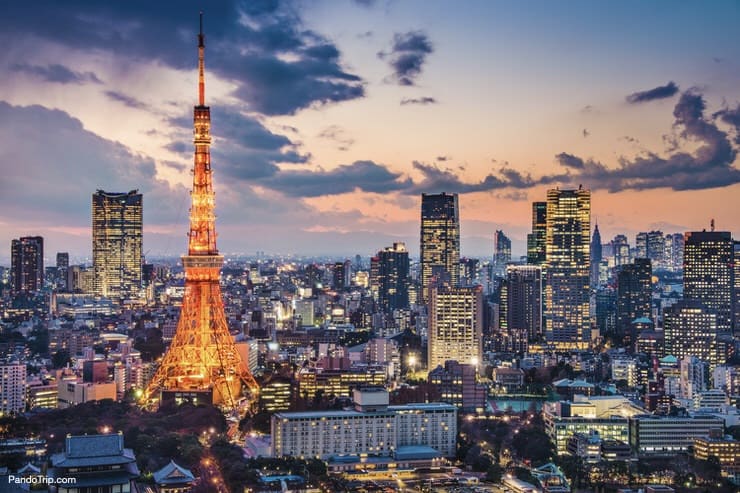
Weather records don't break easily, but central Tokyo shattered a long-standing milestone by logging 35 consecutive days of rainfall. Starting in late August, the downpours crushed the previous record of 33 straight rainy days set back in 2019. Local grocery shoppers felt the pinch immediately. Leafy greens took a beating in agricultural fields outside the capital, sending the price of a single head of lettuce soaring past ¥450. Sunshine became a rare commodity, with September recording just a fraction of normal daylight hours and driving residents into what locals call rain fatigue. Meanwhile, you can explore similar events here: Why Elon Musk Just Turned Against Kiev And What It Means For The Conflict.
Meanwhile, a starkly different scene unfolded in Chile's Atacama Desert. Known globally as the driest non-polar desert on Earth, the arid landscape typically sees rain only once every decade or so. Yet heavy downpours earlier in the season triggered a stunning biological awakening. Roughly 200 species of desert flora sprouted simultaneously, covering miles of sand and salt flats in vibrant purple flowers. Dormant seeds lying underground for years woke up all at once, creating a surreal contrast of color against a volcanic backdrop.
Connecting these two disparate events requires looking at global sea-surface temperatures. The World Meteorological Organization has warned that planetary heating combined with El Nino is pushing temperatures to record highs, altering jet streams and driving moisture into unexpected corners of the globe. When warm Pacific currents shift, they don't just cause droughts where you expect them; they overload atmospheric rivers elsewhere, dumping historic volumes of water onto concrete jungles and parched wilderness alike. To understand the full picture, we recommend the detailed analysis by BBC News.
Understanding these shifts matters because they disrupt local economies and ecosystems overnight. Tokyo's farmers lost entire crop cycles to rot, while Atacama's rare superbloom scrambled local insect populations and tourist routes. Weather isn't just local anymore. What happens off the coast of South America ripples straight into your local grocery bill and your weekend plans. Keep an eye on regional climate data before booking trips or planning major agricultural moves. Weather anomalies are becoming the new baseline.