Ed Sheeran's massive stadium run just hit a wall. When multiple supporting acts decided to walk away in protest, a standard concert tour turned into a full-scale cultural flashpoint.
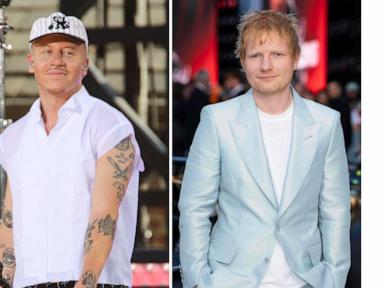
The trouble started when rapper Macklemore was cut from the lineup following an onstage pro-Palestinian speech during a show at New Jersey's MetLife Stadium. Venue owners, including billionaire New England Patriots owner Robert Kraft, pushed back hard against the remarks, forcing the tour's promoters to drop the rapper. Sheeran hopped online to defend his neutral stance and pin the firing squarely on the promoters, but that move backfired immediately. Meanwhile, you can find other stories here: Why Squeeze At The Hollywood Bowl Proves Great Songwriting Never Ages.
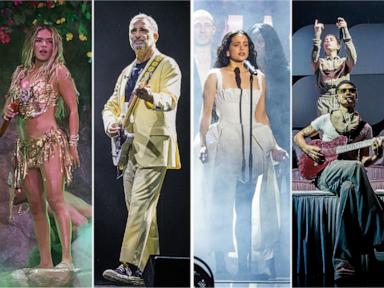
Instead of quieting the storm, Sheeran's statement triggered a mass exodus. Within hours, all of his remaining opening acts and backing musicians pulled out of the schedule. Finneas, Lukas Graham, Aaron Rowe, and the traditional Irish folk band Beoga all announced their departures on Instagram.
The Domino Effect of Corporate Pressure and Politics
Concert tours are delicate financial ecosystems. When a mega-artist like Sheeran hits the road, dozens of crew members, opening acts, and corporate sponsors rely on every single date running smoothly. But politics just broke the machine. To see the full picture, we recommend the recent report by Deadline.
Macklemore's removal wasn't just a simple booking change. It exposed the raw nerve of corporate venue control and international conflict. Macklemore told crowds that people in Gaza and the West Bank hadn't been forgotten, shouting "Free Palestine!" and performing his track "Hind's Hall." Shortly after, venue power players stepped in. Kraft and other executives argued that the rapper's history and commentary crossed lines into antisemitism.
Once the promoters caved and gave Macklemore the boot, the artistic community reacted with intense backlash. Finneas didn't mince words when he pulled out of his upcoming South American slots, stating that artists shouldn't be silenced for standing up for the oppressed.
Why Ed Sheeran’s Neutrality Stance Failed
Sheeran tried to play it safe. He claimed he wanted his concerts to be a safe space, arguing that fans buy tickets for music, not political debates. He also noted that he couldn't abandon his touring crew and musicians who depend on the paychecks.
That defense didn't sit well with his peers. Acts like Aaron Rowe and Beoga pointed directly to their Irish heritage, drawing parallels between historical oppression and the current crisis in Gaza. They argued that staying quiet protects power structures rather than art. Lukas Graham echoed a similar sentiment, writing that a billionaire's bank balance shouldn't dictate who is allowed to speak about human suffering.
By trying to please everyone, Sheeran managed to alienate the very artists sharing his stage.
What This Means for the Future of Live Music
This meltdown points to a shifting reality for major tours. Venues and corporate stadium owners hold massive leverage. If an artist's politics clash with a venue owner's bottom line or personal stances, bookings can evaporate overnight.
At the same time, musicians are increasingly refusing to look away. The days of shutting up and playing the hits are running out. When corporate safety clashes with personal conviction, artists are willing to walk away from massive paychecks.
If you are tracking how large-scale entertainment handles free speech, watch how promoters scramble to patch together the rest of this itinerary. Ticket holders are left holding seats for shows missing half their lineups, and the industry is waking up to a new, deeply polarized reality.
Check your local listings and ticketing platforms before heading out to any remaining dates, as schedules are shifting rapidly.