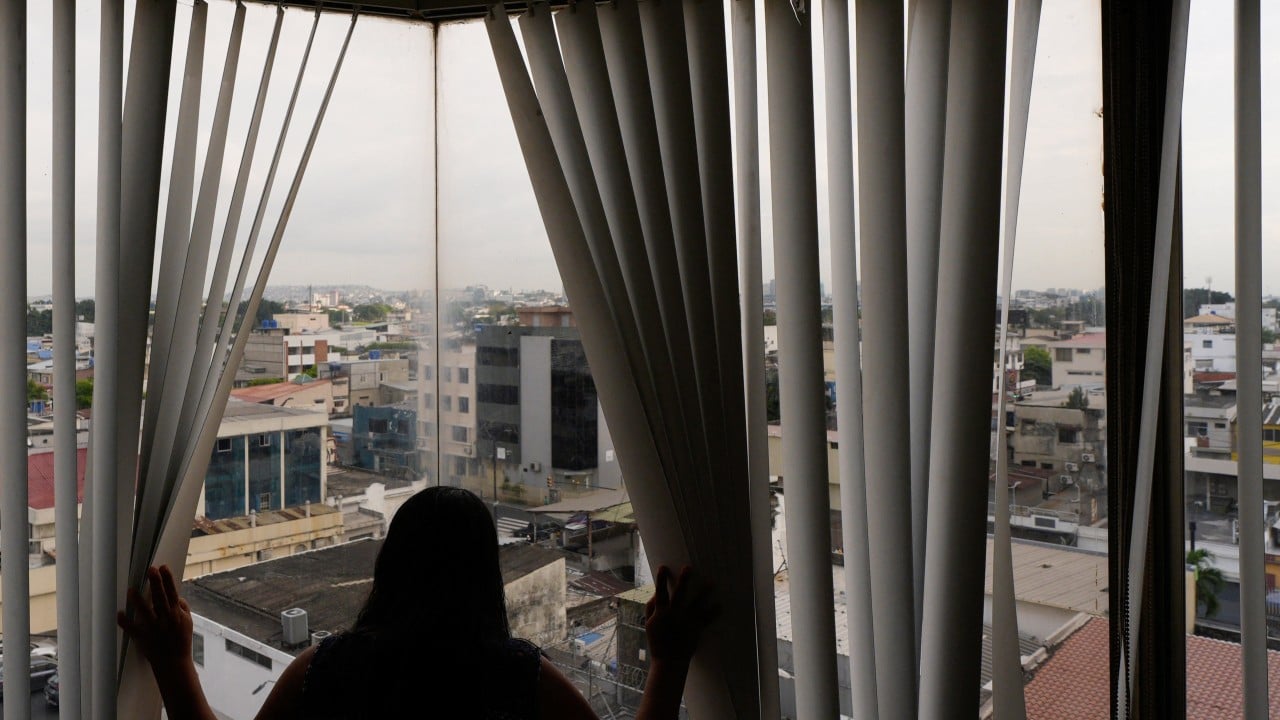
You lock your doors at night not to keep out burglars, but to survive an invisible war zone. That is the grim reality facing hundreds of thousands of people in Ecuador today.
Forget the pristine tourist postcards of the Andes and the Galapagos. Beneath the surface, a brutal turf war between heavily armed criminal cartels has upended everyday life. Over 300,000 Ecuadorians have fled their homes in recent years, escaping extortion, forced child recruitment, and summary executions. If you want to understand why a nation once considered a safe Andean haven has transformed into one of Latin America's most volatile conflict zones, you have to look past the political rhetoric and examine the human cost on the ground.
How Ecuador Became a Narco-Trafficking Battleground
Ecuador’s current crisis didn't happen overnight. For decades, the country served as a relatively peaceful transit corridor between major cocaine-producing nations like Colombia and Peru, and consumer markets in North America and Europe. But things changed fast.
Local criminal factions—most notably factions linked to transnational cartels—began competing aggressively for control of shipping routes, ports, and illicit economies. When the state cracked down on traditional kingpins, it didn't eliminate the syndicates; it fragmented them. Dozens of splinter gangs now fight bloody turf wars block by block.
Consider the numbers. Ecuador recorded 9,216 violent deaths in a single recent year, pushing its homicide rate to a staggering 51 per 100,000 inhabitants. That is nearly eight times higher than its rate a decade ago, vastly outpacing neighbors like Mexico and Colombia.
The Invisible Crisis of Internal Displacement
When most people think of displacement, they picture international refugees crossing borders. In Ecuador, the crisis is largely internal and deeply hidden.
Families pack whatever they can carry into plastic bags and abandon neighborhoods like Nueva Prosperina in Guayaquil. Why? Because criminal syndicates use extortion as a systematic tool of terror. Half of all households in certain districts face regular extortion demands. If you can't pay protection money, you lose your home. Armed factions seize abandoned houses to hide kidnapping victims or strip them down for building materials to fund their operations.
It gets worse. Parents live in constant terror that gangs will snatch their teenagers off the street.
- A shopkeeper closes shop early because his children receive death threats.
- Mothers forbid their kids from riding motorcycles through neighboring districts for fear of being mistaken for rival cartel members.
- Indigenous Chachi communities near the northern border with Colombia have temporarily abandoned ancestral lands due to threats from illegal gold miners.
As human rights advocates point out, Ecuador's legal framework barely recognizes internal displacement caused by violence. Without official recognition, victims slip through the cracks. There are no robust government shelters, no official monitoring systems, and precious little financial aid. Displaced families either crowd in with distant relatives in safer cities or stay put, trapped in a nightmare where they are prisoners inside their own homes.
Evaluating the Government Response
President Daniel Noboa's administration staked its political survival on a hardline security approach. By declaring an "internal armed conflict" and deploying the military into streets and prisons, the government aims to systematically crush criminal syndicates.
Officials point to data showing a drop in total killings during the first half of the year compared to previous periods as proof that the strategy is working. The government insists that the vast majority of those killed are active gang members.
Critics and human rights monitors argue that heavy-handed tactics come with a massive cost. Security forces have faced credible accusations of extrajudicial actions and arbitrary arrests. Meanwhile, extortion and kidnapping remain stubbornly high in urban hubs. Prisons remain flashpoints, and the fragmentation of criminal groups means that dismantling one faction simply makes room for three more to rise in its place.
What Needs to Happen Next
Fixing a structural security crisis of this scale requires more than temporary states of emergency or deploying soldiers to street corners.
First, Ecuador must legally recognize internal displacement. You can't solve a crisis you refuse to measure. Establishing formal aid networks, tracking displaced populations, and providing emergency housing must become immediate priorities for social welfare agencies.
Second, the judicial system needs protection and resources. Prosecutors and judges working on organized crime cases are frequently targeted, threatened, or assassinated. If the courts can't operate safely, impunity wins.
Finally, tackling the root causes means cutting off gang recruitment. That means investing heavily in at-risk youth programs, improving education infrastructure in impoverished neighborhoods, and stamping out the systemic corruption that allows cartels to launder money and buy protection.
The path forward is narrow and steep. Until ordinary citizens can walk down their own streets without fearing for their lives, Ecuador's security crisis remains far from resolved.