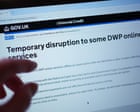
Your pension or Universal Credit payment isn't vanishing into thin air, even if the website won't load. That's the headline takeaway after the Department for Work and Pensions confirmed a cyber attack on its systems following a weekend shutdown of benefits and pension services.
When a government agency that handles roughly 2.5 million regular payments a day pulls the plug on public-facing portals, people panic. I've spent years working alongside public-sector IT teams and incident responders, and I can tell you how tense these moments get behind closed doors. One minute you're checking routine server logs; the next, senior officials are weighing exposure risks while millions of citizens refresh their browsers wondering if rent money is stuck in limbo.
What makes this situation tricky isn't just the intrusion itself. It's the gap between how fast attackers probe citizen-facing portals and how slowly legacy government infrastructure modernizes.
Why This DWP Cyber Attack Caught Officials in a Familiar Squeeze
On Friday, November 27, 2026, the DWP took systems offline after identifying a cyber incident, and on Saturday afternoon a department spokesperson confirmed it was an attempt to gain unauthorized access. Working alongside the National Cyber Security Centre and the Government Cyber Coordination Centre, officials moved to contain the issue while keeping core payouts flowing.
Here's what actually happened behind the scenes, based on official statements and reporting:
- Public portals went dark: Citizen-facing services were pulled offline as a precaution and remained largely unavailable a day later.
- Internal systems came back first: Internal DWP systems were restored on Friday so staff could keep working, even while external access stayed restricted.
- Regular payments kept moving: Payments scheduled for Friday had already been sent earlier in the week, and the department stated that regular benefit and pension payments weren't knocked off track by the attack.
- Manual workarounds face strain: Insiders noted a potential backlog of manual payments—running into tens of thousands—due early next week that staff needed to process over the weekend.
Honestly, that split between internal recovery and public portal downtime tells you a lot about how defenders triaged the threat. When security teams suspect an entry point near public web services, cutting off the external "front door" buys breathing room while forensics teams trace what happened. Former UK chief technology officer David Knott pointed out that taking down citizen-facing services suggests a threat aimed near the front edge, while also highlighting an uncomfortable reality about government tech debt—measuring outdated infrastructure that sat at 26% in 2023 and rose to 28% in 2024.
That upward trend in legacy tech isn't just a spreadsheet metric. Older systems are harder to patch quickly, harder to segment cleanly, and often require manual intervention when automated workflows stall.
What Claimants and Pensioners Need to Know Right Now
If you rely on the DWP, your first instinct when a government portal fails is probably to assume your claim is frozen or your payment is late. Usually, that isn't what's happening.
Will Your Benefit or Pension Payment Be Delayed?
Regular benefit and pension payments are designed to run on scheduled payment cycles rather than real-time portal logins. Because Friday's payments went out earlier in the week and regular automated disbursements weren't tied to the downed public portal, most people won't see a sudden stop in standard payments.
Still, edge cases exist. If your claim requires manual calculation, a new award, or an urgent adjustment, a manual backlog of tens of thousands of items can slow down turnaround times early in the week. If you're facing genuine financial hardship or an unexpected shortfall, calling the relevant benefit helpline directly is still the right move rather than waiting endlessly for a web form to return.
Sanctions and Missed Online Tasks
One big worry during any benefits outage is getting penalized for missing a journal update, appointment check-in, or requirement while the portal is down. The DWP confirmed that customers directly affected by the incident won't face sanctions for not meeting conditions while systems are offline.
Keep a simple record of what you tried to do and when. Write down the date, time, and which page or service failed to load. It takes thirty seconds, and if an automated flag ever pops up later on a case file, having your own log makes sorting it out much smoother.
Watch Out for Copycat Scams During the Outage
Whenever a major government service goes down, scammers treat the outage like free advertising. Criminals love sending fake texts or emails claiming your pension is "suspended due to a security upgrade" or telling you to verify your bank details through a lookalike link.
The DWP has been crystal clear on this point: the department will never message you asking for bank details or tell you to click a link to fix an account issue. If a text creates urgency around a cyber incident or payment delay, treat it as hostile until you verify through an official channel you look up yourself.
The Bigger Picture Behind Government Cyber Resilience
This incident didn't happen in a vacuum. Earlier this month, DWP permanent secretary Sarah Healey spoke before the Work and Pensions Committee about cybersecurity and resilience being top-of-mind concerns for leadership, including questions around state-backed and hybrid threats. Across Europe in recent weeks, cyber incidents have also hit food supply chains and commercial refrigeration systems, showing how quickly digital disruptions spill into everyday life.
From an operational standpoint, what I see repeatedly in high-volume public agencies is a tough trade-off. You can't easily rip out decades-old welfare and pension engines overnight without risking catastrophic service failures. Yet leaving aging components exposed creates friction every time a sophisticated actor tests your perimeter.
Even when defenders respond fast and protect core payment runs, public trust takes a hit. People don't care much about the difference between an "unauthorized access attempt" and a "system outage" when they can't check their account before paying bills. Clear, plain-English updates matter just as much as firewall rules.
Practical Next Steps If You Are Affected
Don't waste time refreshing broken login pages every five minutes. Take a few practical steps instead:
- Check your bank account directly: Verify whether scheduled payments arrived as expected rather than relying on portal status screens.
- Call only if urgent: Use official DWP benefit helplines if you have an urgent payment problem or immediate hardship, keeping lines open for people who genuinely can't wait.
- Ignore unsolicited links: Delete or report suspicious texts and emails claiming to offer fast-track access or asking you to confirm banking information.
- Log any portal issues: Jot down dates and times if you couldn't complete an online action during the outage, just in case you need to reference it later.
- Rely on official updates: Follow guidance published on GOV.UK and reputable news outlets rather than rumor threads on social media.