We need to talk about what's actually happening on the ground in Central Africa right now. Headlines love to throw around numbers like three thousand deaths, but they rarely tell you the terrifying reality of how this virus keeps breaking past our best defenses. The democratic republic of congo ebola outbreak has crossed a grim milestone, and treating this like just another routine health bulletin is a massive mistake.
The Brutal Math Behind the Numbers
Let's look at the actual data without the sugar-coating. Official reports show that cases have surged past 6,100, dragging the death toll above 3,000. A fatality rate hovering near 48.6 percent means roughly one out of every two infected people isn't walking out of a treatment center alive. That is not a manageable public health nuisance. That is an outright emergency.
Why are people still dying in such high numbers? Honestly, it comes down to a lethal mix of viral evolution and infrastructural collapse. We aren't dealing with a familiar variant here. The stubborn persistence of the Bundibugyo strain has caught medical teams completely off guard.
Why This Strain Is Different
Most people assume all viral outbreaks behave the same way once you map out a containment strategy. They don't.
- The specific strain driving this surge has proven uniquely difficult to combat.
- Standard vaccines and targeted medical countermeasures that worked wonders in past outbreaks are struggling to keep pace.
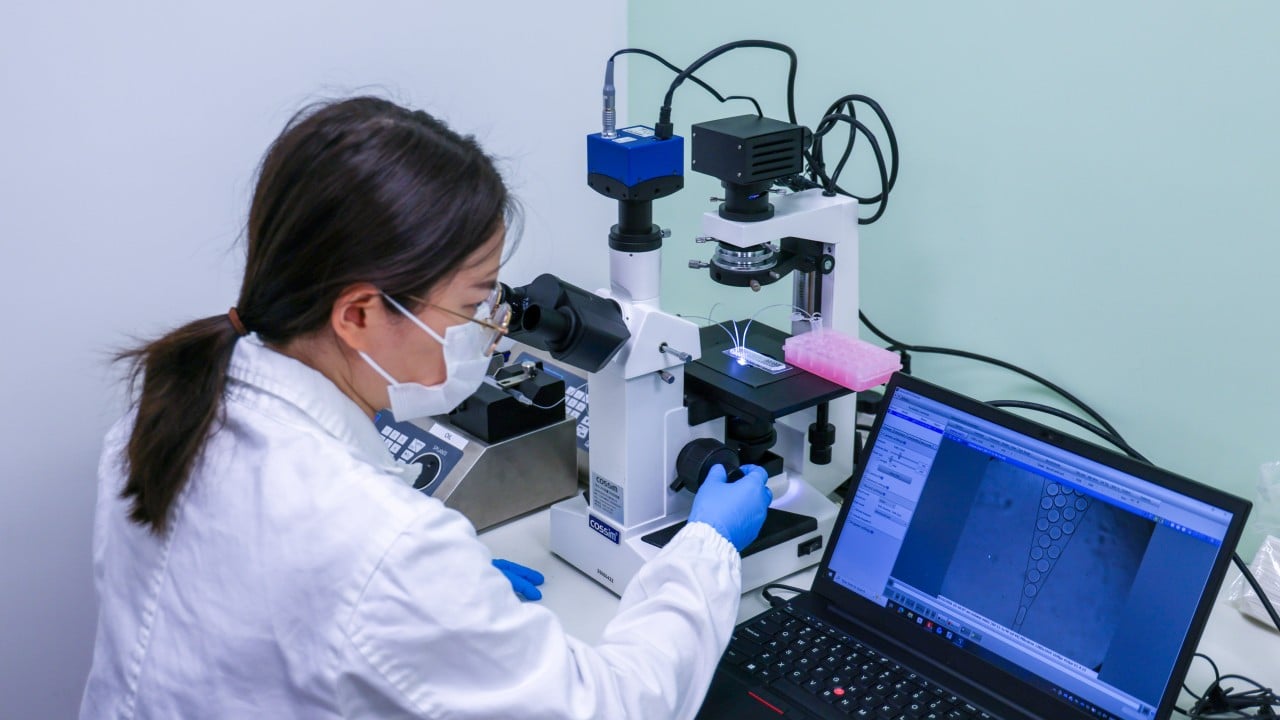
- Lab capacities are completely maxed out, meaning hundreds of test results sit pending while infected individuals potentially mix back into local communities.
When testing stalls, the entire containment grid breaks down. You cannot isolate what you cannot diagnose in real-time.
The Real Obstacles Nobody Talks About
Logistics matter just as much as medicine. Spanning across six heavily impacted provinces—including Ituri, North Kivu, South Kivu, Haut-Uele, Bas-Uele, and Tshopo—the virus has infiltrated over 60 distinct health zones.
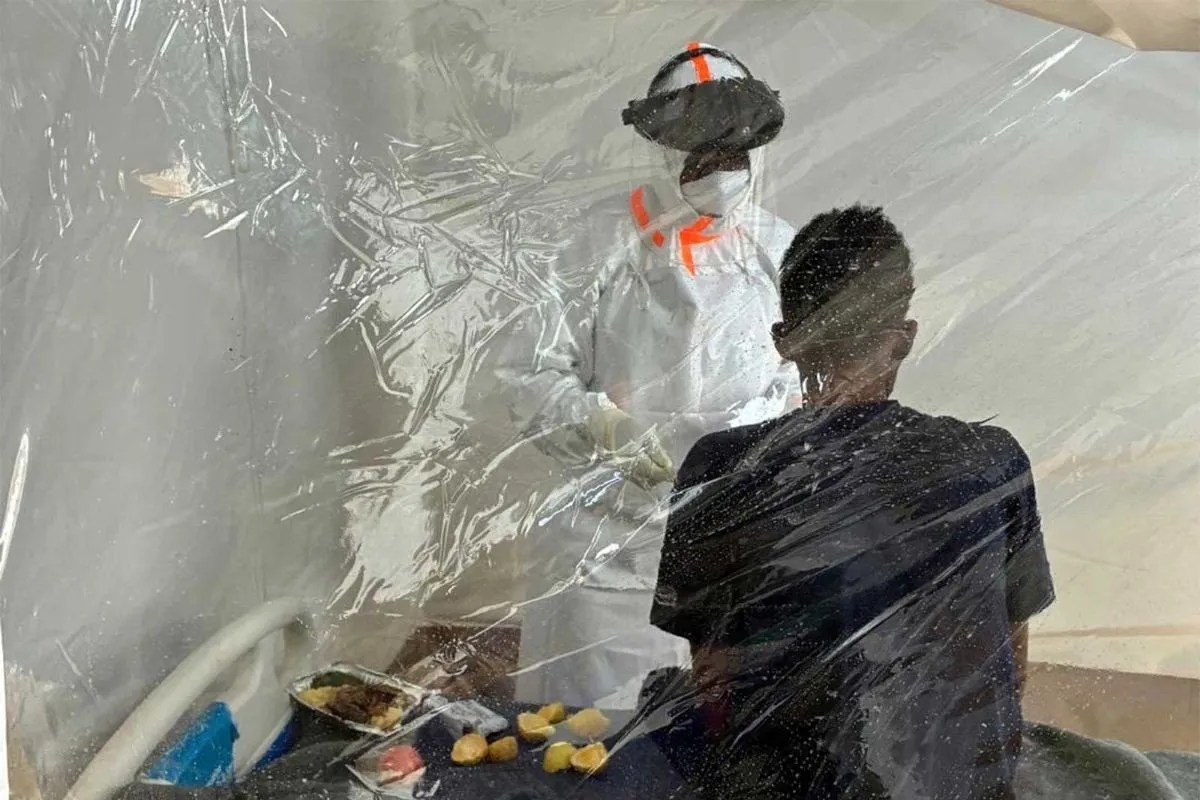
Medical workers face severe shortages of basic protective equipment. Treatment centers are operating way past maximum capacity. Worst of all, deep-seated community distrust continues to sabotage response efforts. When locals violently resist post-mortem testing due to cultural traditions or sheer skepticism, health authorities lose their only window into tracking transmission chains. Contact tracing becomes an absolute guessing game under those conditions.
Spotting the Early Signs Before It Is Too Late
If you are tracking symptoms or trying to understand what patients endure, the presentation is brutal. It starts innocently enough with severe exhaustion, a spiking fever, intense headaches, and deep muscle aches that make getting out of bed feel impossible.
Then things escalate quickly. Persistent vomiting, violent diarrhea, severe abdominal cramping, and spontaneous bleeding from the eyes, nose, and gums signal that the disease has reached an advanced, critical stage. By the time organ failure begins, particularly in the kidneys, the window for effective intervention narrows to hours.
What Needs to Happen Right Now
Throwing money at the problem after the fact fixes nothing. International health organizations need to redirect immediate funding toward decentralized testing labs and community-led outreach programs that respect local customs instead of overriding them. Stop relying on rigid, top-down mandates that alienate the very populations most at risk. Build local trust, secure the supply chains for basic gear, and give frontline doctors the tools they actually need to survive the shift.