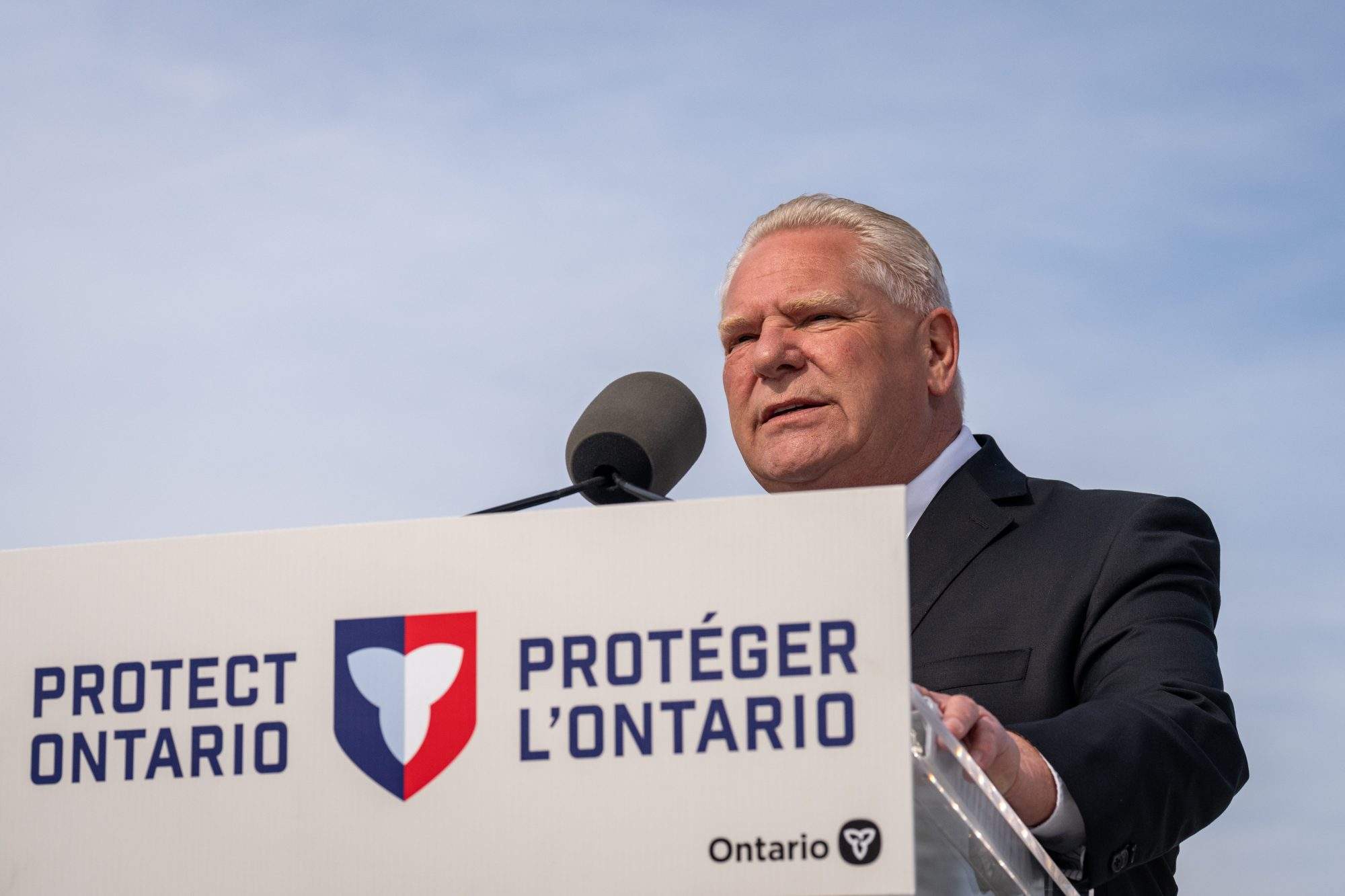
You don't change the law of the land unless you have something to hide. That's the prevailing sentiment at Queen's Park after Premier Doug Ford's government officially killed a freedom of information request to access government calls made on his personal cellphone.
It's a bold play. The Ontario government didn't just reject a routine media request. They literally rewrote the rules mid-game, slipped a massive transparency rollback into a budget bill, and made it retroactive to slam the door on the public's right to know. If you think this is just about a politician guarding his privacy, you're missing the bigger picture. This is a targeted campaign to ensure the inner workings of Ontario's leadership stay permanently in the dark. Read more on a connected issue: this related article.
The Court Loss That Sparked a Legislative Overhaul
The battle started when journalists from Global News tried to access a single week of the premier's call logs from November 2022. Why that week? It coincided with the highly controversial decision to open parts of Ontario's protected Greenbelt to housing developers.
The government fought the request tooth and nail, claiming personal cellphones aren't subject to the Freedom of Information and Protection of Privacy Act (FIPPA). They lost. Ontario's Information and Privacy Commissioner (IPC) ordered Ford to hand over the logs. The government appealed to a panel of three Ontario judges. They lost again. The judges agreed it's completely logical that a premier uses his personal phone for official state business. When the Ontario Court of Appeal dismissed the government's final attempt to block the release, it seemed like transparency won. More analysis by USA Today highlights related perspectives on this issue.
It didn't.
Instead of complying with a direct order from the courts, the Ford government pulled an unprecedented legislative escape act. As part of the 2026 budget package, the Progressive Conservatives introduced section 65(18) to FIPPA. This new rule states that freedom of information laws simply do not apply to records held in the custody of a minister or the minister's office.
The Cabinet Office sent a letter to media outlets and the IPC confirming that the request for Doug Ford's cellphone records is denied. The letter explicitly states they won't even try to get the records from the premier. The new law made the hard-fought court victories completely useless.
The Excuse vs The Reality
Doug Ford has defended the clampdown by claiming he's protecting personal data. He's accused journalists of wanting to broadcast private health information or family gossip.
"When it comes to a cabinet conversation within cabinet and on personal cellphones that should not be FOIable. And I know you guys, you'll pull out every single number and someone's health records," Ford told reporters.
Here's what the premier left out. Personal health records, constituency issues, and purely private family conversations were already completely protected under the old laws. Freedom of information staff regularly redact personal phone numbers and sensitive private data before anything hits the public eye.
What the old law did capture were the calls to lobbyists, backroom chats with developers, and official decisions made away from official government servers. By using a single personal phone for everything, Ford combined his personal life with public business. Now, he's using the personal side as a shield to hide the public side.
The consequences go way beyond a week of phone logs. Because the government made these changes retroactive, they've effectively killed dozens of active transparency requests.
- The Greenbelt Scandal: Hundreds of records detailing how protected lands were selected for development are now locked away forever.
- Healthcare Deficits: The Ministry of Health used the new law to block the release of documents showing how Ontario hospitals plan to handle massive budget deficits and staff cuts.
- Political Staff Immunity: It isn't just the premier. Every cabinet minister, parliamentary assistant, and political staffer now enjoys near-blanket immunity from public record requests.
How Ontario’s New Law Destroys Public Accountability
If you want to understand how dangerous this precedent is, look at how the freedom of information system is supposed to work. Public servants are meant to be the keepers of the public record. When a request comes in, neutral civil servants review the files, apply legitimate exemptions, and release the rest.
Under the new 2026 rules, the entire process is bypassed. If a minister or a political staffer keeps a message or a document on their personal device, civil servants don't even have the legal right to ask for it. It creates an active incentive for politicians to conduct sensitive public business on personal accounts to avoid accountability.
Ontario NDP Leader Marit Stiles didn't mince words about the maneuver, stating it couldn't be clearer that the premier gutted transparency laws to cover his tracks. Green Party Leader Mike Schreiner called the move flatly anti-democratic.
What Happens Next
The government claims they're just bringing Ontario in line with other jurisdictions, but legal experts and democracy watchdogs aren't buying it. Advocacy groups like Democracy Watch have already launched constitutional challenges against the new law, arguing it violates fundamental democratic principles.
While the courts sort out the legality of a government retroactively changing laws to protect its own leadership, the immediate impact is clear. The shutter is down.
If you want to push back against this erosion of transparency, you need to look beyond the bureaucratic jargon. Keep an eye on the ongoing constitutional challenges led by public interest groups. Write to your local MPP and demand to know why political staff deserve blanket immunity from public scrutiny. When governments realize that hiding their tracks causes more political damage than facing the music, the push for real transparency can actually begin.