“Oh, I’m really messing this one up.”
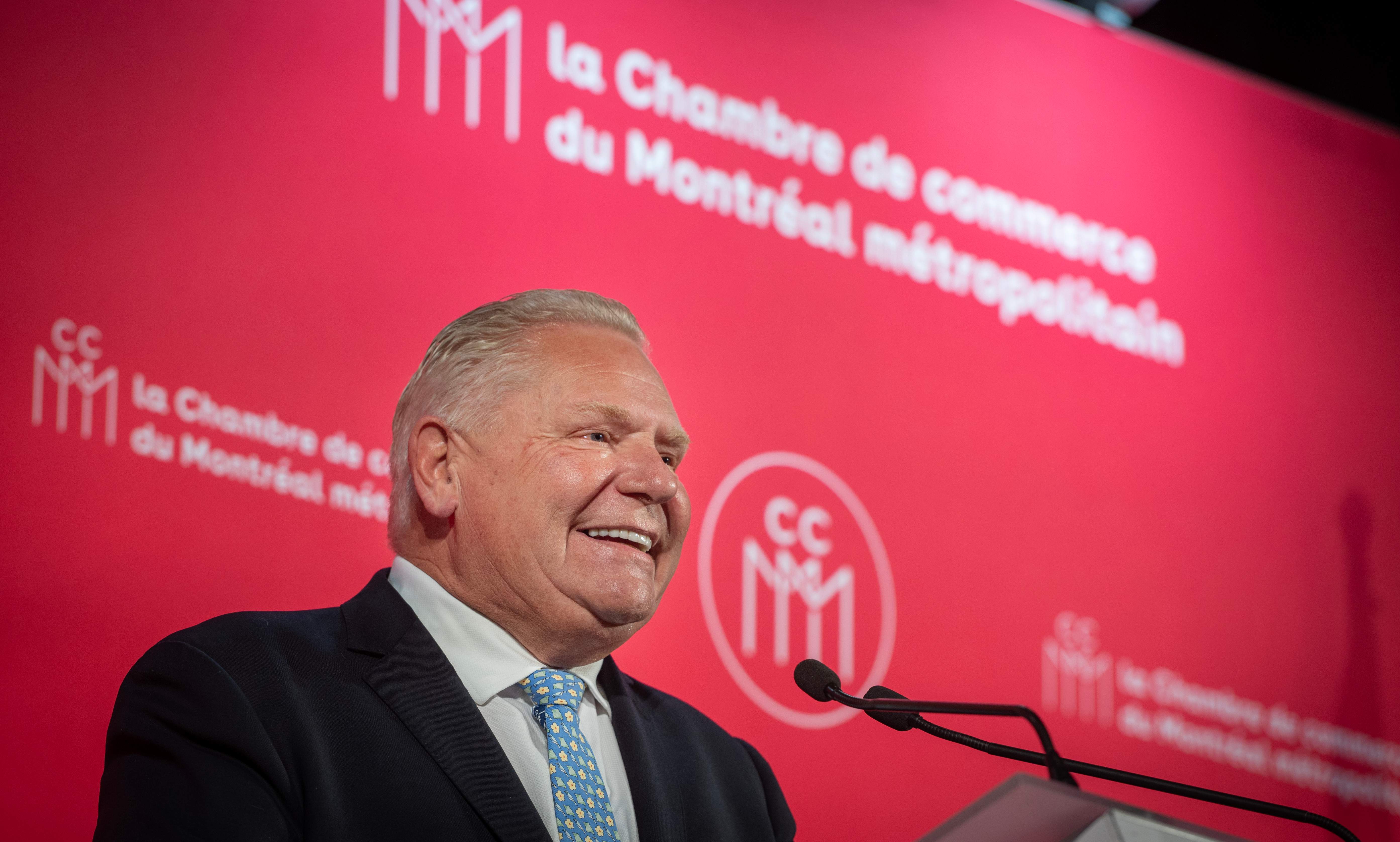
That was Ontario Premier Doug Ford in mid-speech before the Chamber of Commerce of Metropolitan Montreal on November 17, 2026, trying to deliver French lines and running straight into a linguistic brick wall. Within hours, clips were circulating online, Duolingo’s official account chimed in with a dry “I definitely didn’t teach him this…”, and opposition leaders at Queen’s Park had plenty to say. By Wednesday, Ford told reporters at Queen’s Park that his French needs work and admitted it’s been rougher than he expected—even while insisting the shaky attempt came from a place of respect and that he isn’t eyeing federal office.
Honestly, this isn’t just a viral clip about a premier stumbling over pronunciation. It exposes a real tension in Canadian politics: how much does symbolic effort in French count when you’re leading a province with over 652,000 Francophones and negotiating economic ties with Quebec?
What Actually Happened in Montreal and at Queen’s Park
Ford went to Montreal to talk up economic cooperation and tearing down interprovincial trade barriers between Ontario and Quebec. On paper, the message was straightforward—Ontario and Quebec have massive overlapping economic interests, and working together helps both provinces compete. His core pitch about building things together and knocking down trade hurdles landed fine in English.
The snag came when he tried to weave French into the remarks. Rather than brushing past the stumble or pretending it didn’t happen, Ford called himself out on the spot before telling reporters the next day that learning the language has turned out to be tougher than he figured. He also pushed back on any suggestion that brushing up on French signals federal ambitions, saying he’s focused on Ontario and his current job.
Social media treated it as a punchline—especially once Duolingo jumped into the thread—but the reaction inside provincial politics was sharper. Interim Liberal Leader John Fraser pointed out that while he isn’t fluent either, he treats weekly French lessons seriously because it matters for a legislator. NDP Leader Marit Stiles went further, calling the moment kind of embarrassing and arguing that Ontario’s Francophone community deserves at least basic phrases from its premier.
Why French Keeps Tripping Up Ontario Premiers
If you’ve followed Ontario politics for more than a few years, none of this feels brand new. Ford has talked for years about learning French—even mentioning past pauses during the COVID-19 pandemic when he didn’t want to bring an in-person tutor into his home while telling everyone else to move online. Yet every time a high-profile speech in Quebec or a Francophone event rolls around, the gap between intention and fluency shows up under bright lights.
There’s a reason adult language learning hits a wall for busy executives and politicians. When your calendar is packed with cabinet meetings, trade talks, and media scrums, sporadic practice doesn’t build speaking confidence. Reading a phonetic script in front of a business crowd in Montreal is a completely different beast from holding a natural conversation. One tiny misstep in front of a room full of native speakers—and cameras—can turn a goodwill gesture into an awkward viral moment.
The Numbers Behind Francophone Ontario
A lot of people outside Ontario—and even some inside it—assume French is mostly a Quebec story. The data tells a more nuanced picture. According to Statistics Canada’s 2021 Census using the Inclusive Definition of Francophones, Ontario is home to 652,540 Francophones, representing 4.6% of the province’s population. Even more striking, 1,558,670 Ontarians—or 11.1% of residents—reported being able to conduct a conversation in French in 2021, the highest raw headcount ever recorded in the province even as its share of the total population dipped slightly.
Those people aren’t evenly spread out either:
- Eastern Ontario accounts for roughly 44.5% of Ontario’s Francophone population, with Francophones making up about 15.4% of that region’s residents.
- Northeastern Ontario has a Francophone population share around 21.3%, making French an everyday community reality across large stretches of the north.
- Central Ontario, which includes Toronto, holds about 30.8% of the province’s Francophones overall—and around 10.1% live in Toronto itself.
- Francophone business matters too, with Ontario hosting tens of thousands of Francophone small and medium-sized enterprises and nearly half of Francophone businesses outside Quebec.
When Marit Stiles talks about expectations from Ontario’s Francophone community, she’s pointing to real voters, real business owners, and real communities across the province—not just out-of-province audiences in Montreal.
Symbolism vs. Substance in Quebec Relations
Here’s where I think critics and defenders sometimes talk past each other. Does stumbling over French sentences ruin a trade pitch to the Chamber of Commerce of Metropolitan Montreal? No. Business leaders care a lot about regulatory alignment, supply chains, labour mobility, and cutting red tape across provincial borders. When Ford talks about getting rid of interprovincial trade barriers so Ontario and Quebec can compete together, that’s concrete economic substance.
At the same time, politics isn’t purely spreadsheets. Language is identity in Canada. Trying to open with a few lines in French is a classic political signal of respect—a way of saying, I see you, and I’m making an effort. When the attempt falls flat repeatedly over years, the goodwill starts to wear thin. Critics don’t usually demand perfection from a premier who grew up speaking English; what grates on them is the sense that the effort stays casual while the talking points stay big.
Ford’s defense—that his French needs work, that it’s rougher than he thought, and that he’s trying out of respect—is disarming in its own way. Voters who like his straight-shooting style often forgive rough edges. Critics see it differently: after years of talking about lessons, basic greetings and smooth transitions shouldn’t still feel like a high-wire act.
Common Misconceptions About Bilingualism in Canadian Politics
A few myths tend to pop up whenever a clip like this goes around:
- “Every major Canadian politician has to be fluent in French.” Not true at the provincial level. Plenty of premiers across Canada govern effectively without speaking fluent French, though expectations vary depending on the province’s demographics and history. Federally, bilingualism carries much heavier weight—which is likely why Ford went out of his way to say he isn’t looking at federal office.
- “A rough speech means zero progress.” Learning a second language as an adult with a grueling schedule is slow, messy work. Stumbling on stage doesn’t automatically prove someone hasn’t studied a single word, even if it makes for a punchy social media clip.
- “Francophone outreach is just for winning votes in Quebec.” Premiers don’t vote in Quebec elections. Outreach to Francophones is just as much about Franco-Ontarian communities at home, bilingual services, and cross-border economic partnerships with Montreal and Quebec City.
Practical Next Steps If You’re Tackling French Yourself (or Watching the Fallout)
If you’re a public speaker, executive, or learner watching this unfold and thinking about your own French skills, skip the vague resolutions and take concrete steps:
- Practice speaking out loud before you need it in public. Reading silently or tapping through app exercises won’t prepare your mouth and ear for live delivery. Read short paragraphs aloud every day and record yourself.
- Master a tight set of high-confidence phrases first. Instead of winging a complex paragraph in front of a crowd, nail your opening greeting, a thank-you, and a clear transition into English if needed—delivered smoothly and calmly.
- Book short, consistent weekly sessions. Fifteen to thirty minutes four or five times a week beats a single cram session whenever a big trip or event lands on your calendar.
- Watch how economic policy moves next. If you’re following Ontario–Quebec relations, look past the jokes and watch whether provincial governments actually follow through on reducing interprovincial trade barriers. Real policy wins matter a whole lot longer than a shaky line at a podium.