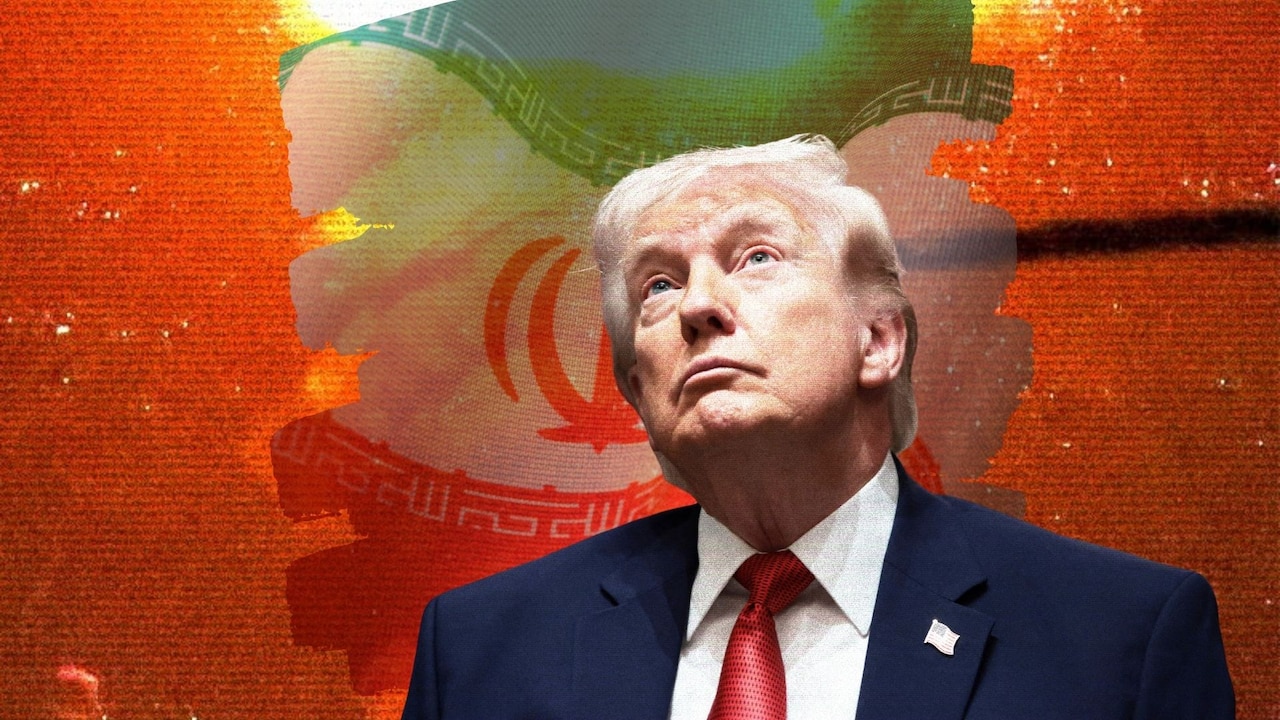
Everybody loves a dramatic political comeback story, but the real action happens behind closed doors when the dust settles. Right now, Washington insiders are whispering about a sweeping post war Middle East strategy. Donald Trump has told confidants he is cooking up something much bigger for the region once the current conflict with Iran winds down.
If you look past the daily headlines of military exchanges and political posturing, a grand blueprint is taking shape. It aims to redraw diplomatic lines and cement a regional alliance that looks entirely different from anything we have seen before.
Let's break down what is actually happening behind the scenes.
What the New Regional Strategy Looks Like
The White House isn't just reacting to immediate threats. They are drafting a multi-layered blueprint that involves senior advisers and multiple government agencies.
Three core pillars drive this initiative.
First, the administration wants to bind regional US allies into a tight security alignment designed to isolate and contain Tehran permanently. Washington would act as the primary security guarantor, anchoring the entire architecture.
Second, the plan targets existing flashpoints. Officials are actively looking at winding down regional tensions that exploded after the October 2023 attacks. This includes pushing forward with the next phase of the Gaza framework, locking down a security arrangement between Israel and Syria, and enforcing the existing Israel-Lebanon agreements.
Third, and perhaps most importantly, the strategy banks on expanding the Abraham Accords. The ultimate prize here is securing a formal normalization deal between Saudi Arabia and Israel. If Trump pulls that off, it changes the entire geopolitical chessboard.
The Political Roadblocks Ahead
Writing a grand strategy on paper is easy. Getting foreign leaders to sign on is notoriously messy.
Timing is everything, and the timeline is a complete mess. Israel faces a high-stakes election, and the United States is staring down upcoming midterm elections. Trump's inner circle hopes the next Israeli government will step up and cooperate smoothly with Washington's grand design.
Don't expect Washington to wait around for foreign elections to settle, though. Sources close to the discussions indicate the administration will likely force the issue even if Israeli politics descends into gridlock.
Is the plan ready? Not quite yet.
"They are cooking it, but it is not yet cooked," one insider noted. Officials admit they need several more weeks to iron out the details. Tying together a fractured region after a grueling war takes immense diplomatic capital.
Will Regional Allies Actually Buy In?
That is the million-dollar question.
Many Gulf states want security guarantees, but they also want to avoid getting dragged into protracted regional conflicts that threaten their economic modernization projects. Creating a unified front sounds great in a policy memo. Keeping diverse regional actors happy while forcing historic compromises is an entirely different beast.
Trump is betting his reputation as a dealmaker that he can force everyone to the table once the military operations slow down. Whether foreign leaders share his vision or decide to hedge their bets remains to be seen.
The strategy is coming. Keep your eyes on Washington and Riyadh over the next few months.