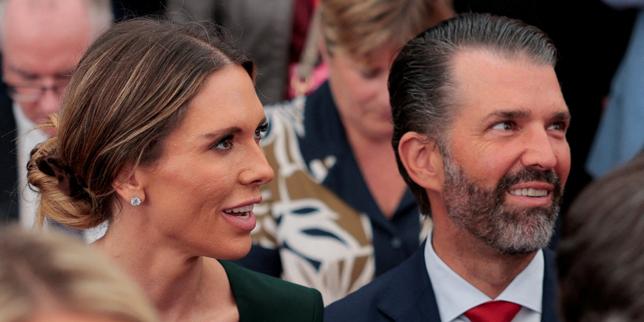
Political scandals rarely start with a bang. They usually begin with a seemingly innocuous wedding reception that turns into an investigative headache. Donald Trump Jr found himself right in the middle of a political storm after investigative reports revealed that his lavish wedding festivities in the Bahamas were partly funded by a Kremlin-linked Russian businessman.
President Donald Trump stepped forward to defuse the controversy, stating publicly that his eldest son intended to pay back the money or had already done so. But as Washington starts digging deeper into foreign influence channels, a simple reassurance from the Oval Office rarely closes the book on a major ethics question. For an alternative view, read: this related article.
What Triggered the Scrutiny Over Donald Trump Jr
The entire controversy erupted after independent investigative reports surfaced detailing multi-day wedding celebrations held in the Bahamas. According to reports by outlets like ProPublica, Umar Kremlev, the president of the International Boxing Association and a known ally of Russian President Vladimir Putin, covered hundreds of thousands of dollars in expenses. These payments reportedly included private island rentals and guest accommodations.
When a prominent political figure accepts hundreds of thousands of dollars in luxury hospitality from a foreign billionaire with close ties to Moscow, watchdogs pay attention. House Oversight Committee Democrats quickly launched inquiries to examine the relationship and financial ties between Donald Trump Jr and Kremlev. Foreign money in high-profile political families always triggers immediate bipartisan friction, given the long history of scrutiny surrounding Russian interference in American politics. Related reporting on this trend has been shared by Wikipedia.
The White House Defense and the Reimbursement Claim
Faced with mounting pressure and congressional probes, President Trump addressed the situation head-on. He claimed that when he first heard about the reports, he questioned his son directly. According to the president, Donald Trump Jr assured him that he was handling the bill himself.
"When I heard the story I asked about it and he said, 'No, I'm paying him back Dad,'" the president told reporters, attempting to brush off the issue as a private matter that was already being resolved.
Critics aren't buying the quick fix. Lawmakers leading the congressional inquiries want to see concrete financial records, bank transfers, and timestamps. If the expenses were initially covered by a foreign oligarch and only reimbursed after media exposure and congressional pressure, ethics experts argue the optics remain deeply damaging.
Why This Story Matters Beyond the Headlines
You might wonder why a wedding bill in the Bahamas generates massive political fallout. It comes down to accountability and transparency. In modern politics, the lines between personal celebrations and public influence are heavily scrutinized. When foreign actors with direct ties to hostile or rival governments foot the bill for American political royalty, transparency isn't just nice to have—it's legally and ethically mandatory.
The unfolding situation leaves several burning questions unanswered. Did Donald Trump Jr know Kremlev's background when the arrangements were made? Were official gifts declared properly? Until independent auditors or congressional investigators verify the exact paper trail of the reimbursement, this narrative will keep making waves across Washington.
Keep a close eye on the House Oversight Committee developments over the coming weeks. Financial compliance leaves a paper trail, and the truth usually surfaces once bank statements are subpoenaed.
Donald Trump's son confirms that a Russian businessman financed part of his wedding
This video provides a concise look at the initial reports regarding the Russian businessman financing elements of Donald Trump Jr's wedding celebration.