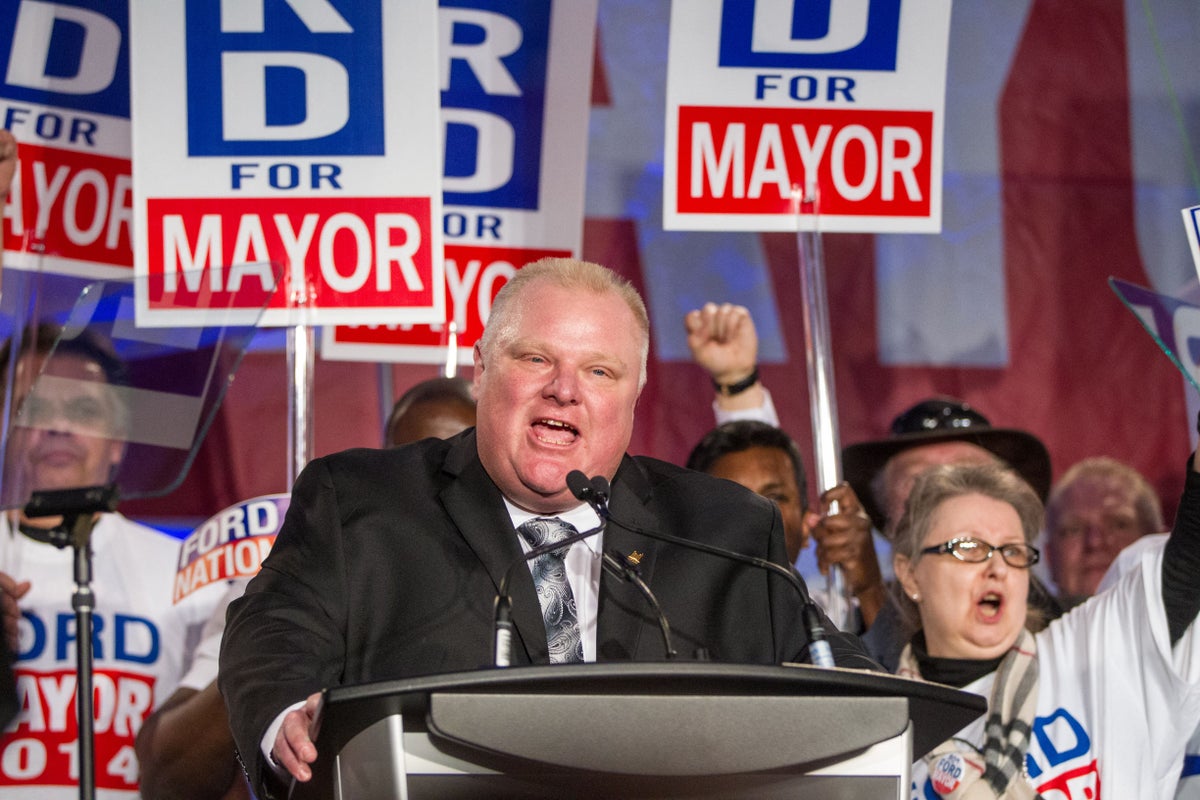
The diplomatic gloves are officially off between Washington and Ottawa. US President Donald Trump lashed out at Ontario Premier Doug Ford, dismissing him as the "less charismatic, intelligent, and overall unimpressive brother" of late Toronto mayor Rob Ford. This blistering personal attack came right on the heels of collapsing trade negotiations, a looming 50 percent tariff threat on Canadian autos and steel, and some exceptionally blunt language from the Ontario premier.
If you are wondering how a century-old alliance spiraled into a playground shouting match so fast, you need to look past the headlines. Trade talks didn't just stall over minor text tweaks. They shattered because Washington demanded structural control over Canadian trade policy, pushing Prime Minister Mark Carney to pull negotiators out of Ottawa.
The Escalation That Shocked the Border
Trump took to Truth Social to slam Canadian leadership, dubbing the premier "Flunky Ford" and claiming the country has taken advantage of American markets for decades. The post specified that starting January 1, 2027, tariffs on all vehicles, trucks, auto parts, and steel will skyrocket to 50 percent unless production moves inside US borders.
Doug Ford didn't mince words in response. Speaking to reporters in Hamilton, the premier told the US president he could "kiss my ass" and labeled him a schoolyard bully who steals lunch money.
"This guy's a loser, he's going to be a loser – it's as simple as that. We're going to fight with everything we have," Ford fired back during a heated 45-minute press conference.
Why the Auto Industry is Ground Zero
Ontario sits right at the center of North American vehicle manufacturing. General Motors, Ford, and Stellantis operate massive supply chains where single car parts cross the international border multiple times before a vehicle ever rolls off the assembly line.
A 50 percent tariff barrier effectively detonates this integrated ecosystem. American assembly plants rely just as heavily on Canadian components, steel, and aluminum as Canadian workers rely on US sales. Economists point out that slapping these duties on imports acts as a direct tax on American consumers, driving vehicle prices through the roof.
The Retaliation Playbook
Canada isn't just absorbing the blow this time. Ottawa and provincial leaders are lining up retaliatory measures dollar-for-dollar.
Premier Ford floated severe countermeasures during morning radio and press briefings:
- Levying heavy export tariffs on critical minerals, potash, and uranium heading south.
- Restricting vital electricity exports that power millions of homes and businesses in Michigan, Minnesota, and New York.
- Working alongside other provincial leaders to form a united economic front against American protectionism.
While opposition politicians in Ontario called for an immediate recall of the provincial legislature to draft emergency relief packages, Ford dismissed the moves as political theater, insisting his administration is already working flat out to protect local workers.
This feud goes deeper than political posturing or social media insults. It marks a permanent fracture in cross-border relations, proving that decades of frictionless commerce can vanish the moment political winds shift in Washington.