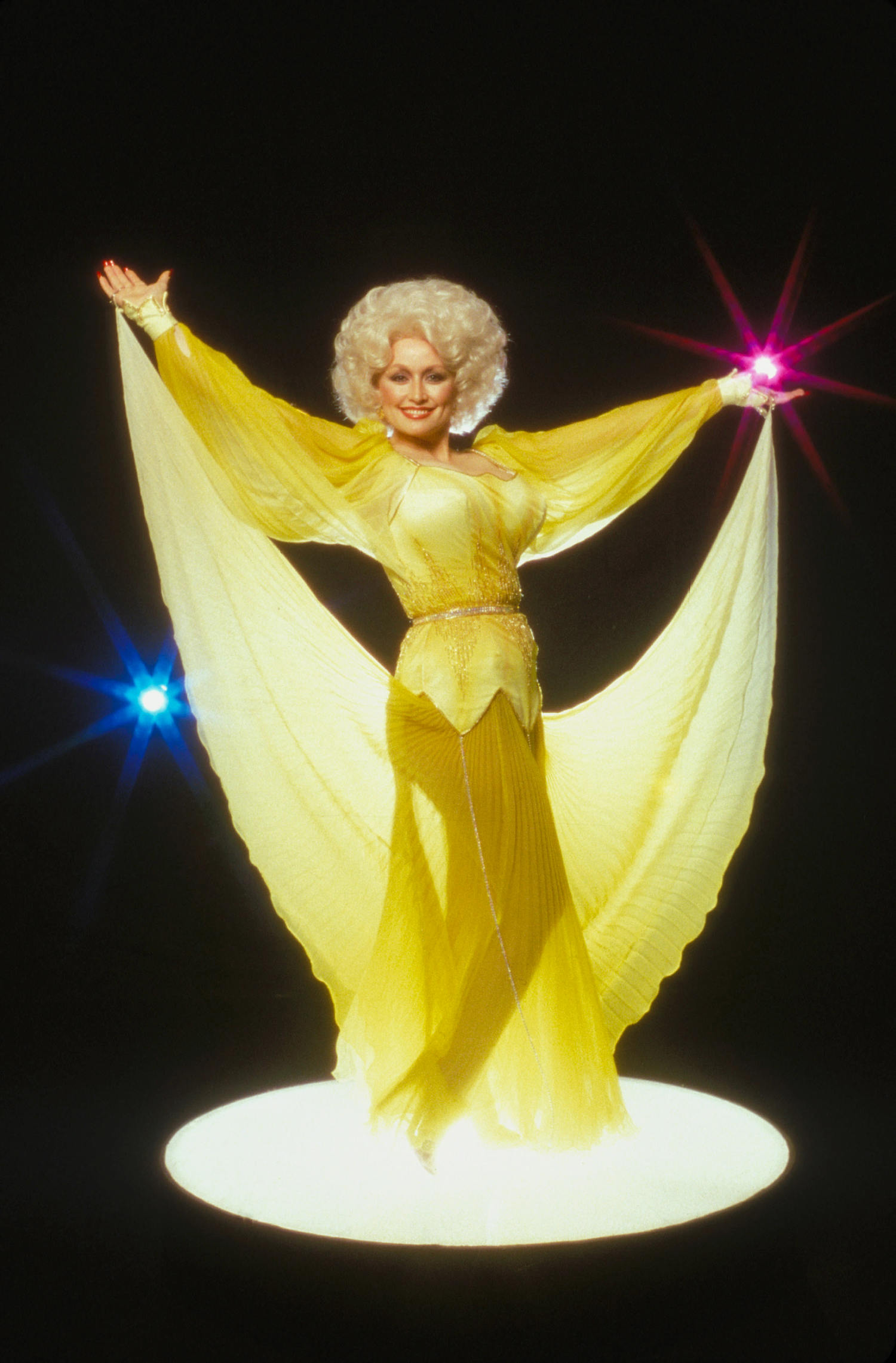
Long before she became the internet's favorite adopted aunt and the cultural force behind everything from children's literacy programs to rock albums, Dolly Parton was just a kid growing up in a two-room cabin in Sevierville, Tennessee. She was the fourth of twelve children. Money was tight, but music and storytelling were abundant. If you look at her journey purely through the lens of a Nashville resume, it's impressive. Look at it as a masterclass in self-determination, and it becomes legendary.
Most people misunderstand the core of Dolly's longevity. They think the wigs, the rhinestones, and the self-deprecating humor are just a costume. They miss the razor-sharp business acumen humming right beneath the surface. She owns her masters. She built a massive theme park empire in Pigeon Forge. She never let the Nashville machine dictate who she was allowed to be.
Let's look at how she actually did it, year by year, milestone by milestone.
From Smoky Mountain Porches to Knoxville Television
Dolly didn't wait for permission to start her career. By age five, she was already writing songs with her mother's help. By age ten, she was singing on The Cas Walker Farm and Home Hour, a local television broadcast in Knoxville. As she famously pointed out, she was performing on television before her family even owned a working TV set.
The ambition wasn't subtle. The day after graduating from high school in 1964, she packed her bags and caught a bus straight to Music City. She wasn't looking for fame as a secondary perk; she wanted to write songs that would outlive her.
Her early years in Nashville were a grind of writing for others and cutting minor singles until her breakthrough on The Porter Wagoner Show. Working alongside Wagoner gave her a national platform for seven years. When she decided to branch out on her own in 1974, Wagoner fought her departure. How did she handle it? She didn't argue or issue press releases. She wrote "I Will Always Love You," played it for him in his office, and made him cry. That single went straight to number one.
Crossing Over and Rewriting Pop Culture
By the late 1970s and 1980s, country music wasn't big enough to contain her gravity. Tracks like "Here You Come Again" crossed over to pop radio and scored her first Grammy win. Then came Hollywood.
Her cinematic debut in 1980's 9 to 5 wasn't just a quirky casting choice. She demanded to write the theme song, hammering it out on set using her acrylic fingernails as a percussion instrument. The movie grossed over one hundred million dollars and cemented her as a multi-hyphenate star.
Instead of fading into nostalgia during the 1990s, she doubled down on her roots. She released The Trio albums with Emmylou Harris and Linda Ronstadt, followed by her critically acclaimed bluegrass project The Grass Is Blue. She reminded everyone that behind the pop gloss was a world-class vocalist and traditionalist.
The Hannah Montana Era and Cultural Immortality
By the time a new generation met her as Miley Cyrus's quirky godmother on Disney's Hannah Montana in the mid-2000s, Dolly had already secured her status as a living monument. She didn't scoff at children's television or modern pop culture. She leaned into it with total authenticity.
Her philanthropic footprint grew just as aggressively. Her Imagination Library, started in honor of her father who never learned to read, now mails millions of free books to children every month across multiple countries. She donated millions toward vaccine research during the global health crisis. She accepted a rock and roll induction after initially trying to decline it, then turned around and recorded a full-blown rock album featuring guest appearances from rock royalty.
What You Can Learn From Dolly's Blueprint
If you want to understand why Dolly Parton still matters today, stop looking at her wardrobe and look at her execution.
- Own your intellectual property: She famously refused Elvis Presley's request to cover "I Will Always Love You" because Colonel Tom Parker wanted half her publishing rights. Protecting her catalog made her a billionaire.
- Control your narrative: People used to make jokes about her appearance. She beat them to the punch every single time, noting that it costs a lot of money to look this cheap. When you own the joke, nobody else can weaponize it against you.
- Diversify without losing your identity: From theme parks to literacy foundations to television production deals, she expands outward rather than shifting sideways.
Dolly didn't survive sixty years in a brutal industry by playing it safe. She survived because she knew exactly who she was, and she refused to let anyone else write the script.